


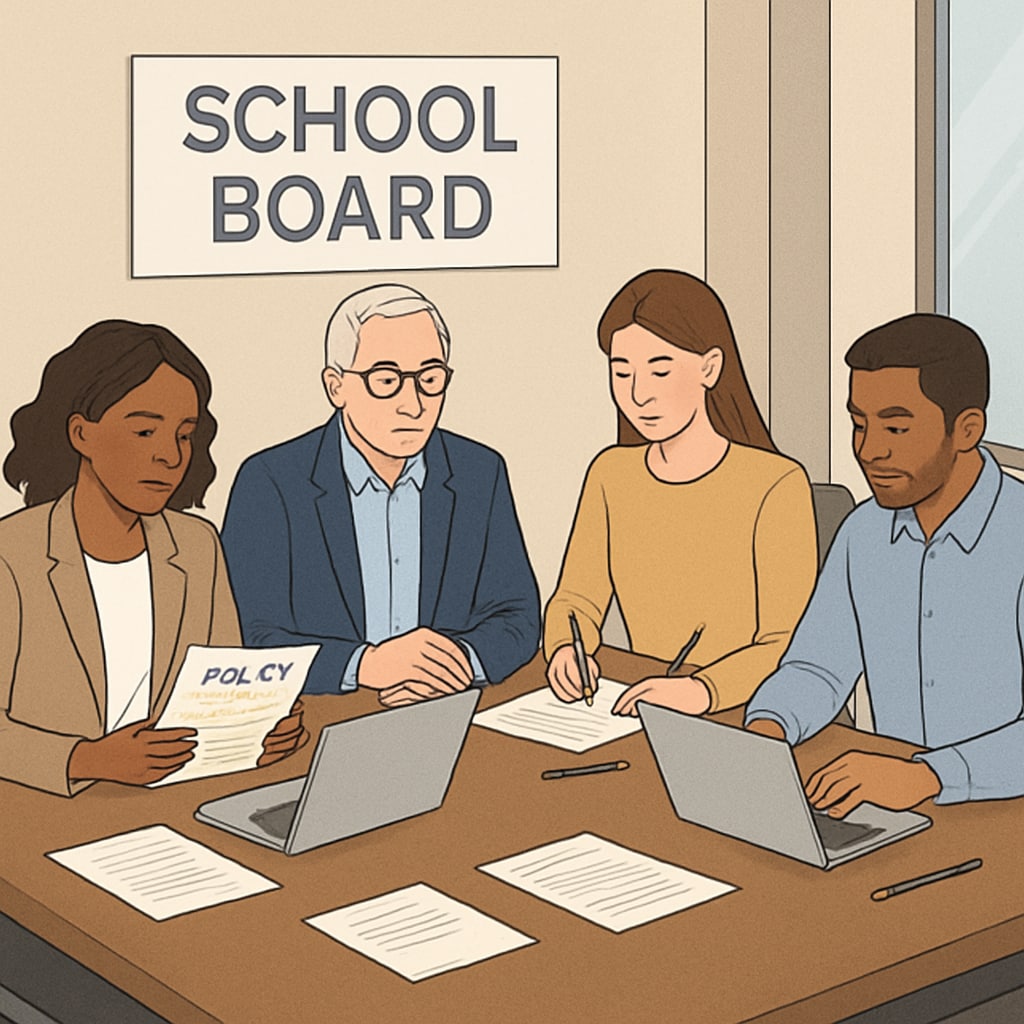
School board, effectiveness, and change are three pillars of transformative K12 education leadership. Newly elected members often face a steep learning curve in understanding their roles, responsibilities, and the delicate balance between governance and operations. This guide provides practical strategies to navigate school board service successfully while making measurable impacts on student outcomes.
Understanding the School Board Ecosystem
Before implementing changes, board members must comprehend the governance framework. According to National School Boards Association, effective boards focus on:
- Policy development rather than daily administration
- Student achievement as the ultimate metric
- Collaboration with superintendents as professional partners
Choosing Strategic Battles for Maximum Impact
Seasoned board members emphasize the importance of selective engagement. As noted in GreatSchools research, transformative leaders:
- Analyze data to identify leverage points
- Build coalitions before proposing major changes
- Prioritize initiatives with measurable student benefits
Essential Skills for Board Effectiveness
Beyond policy knowledge, successful members develop:
- Active listening: Understanding community concerns without immediate judgment
- Financial literacy: Interpreting budgets and resource allocation
- Cultural competence: Addressing diverse student and family needs

Readability guidance: Key transitions include “however” when discussing challenges, “therefore” for cause-effect relationships, and “for example” when illustrating concepts. Each section maintains concise paragraphs with practical action items.

