


Artificial intelligence, education, and learning tools are at the forefront of discussions in modern K12 educational settings. The integration of AI into education has been both rapid and profound, sparking intense debates among educators and parents alike. As this technology becomes more prevalent, it’s crucial to understand its dual nature and how to utilize it effectively.
The Rise of AI in K12 Education
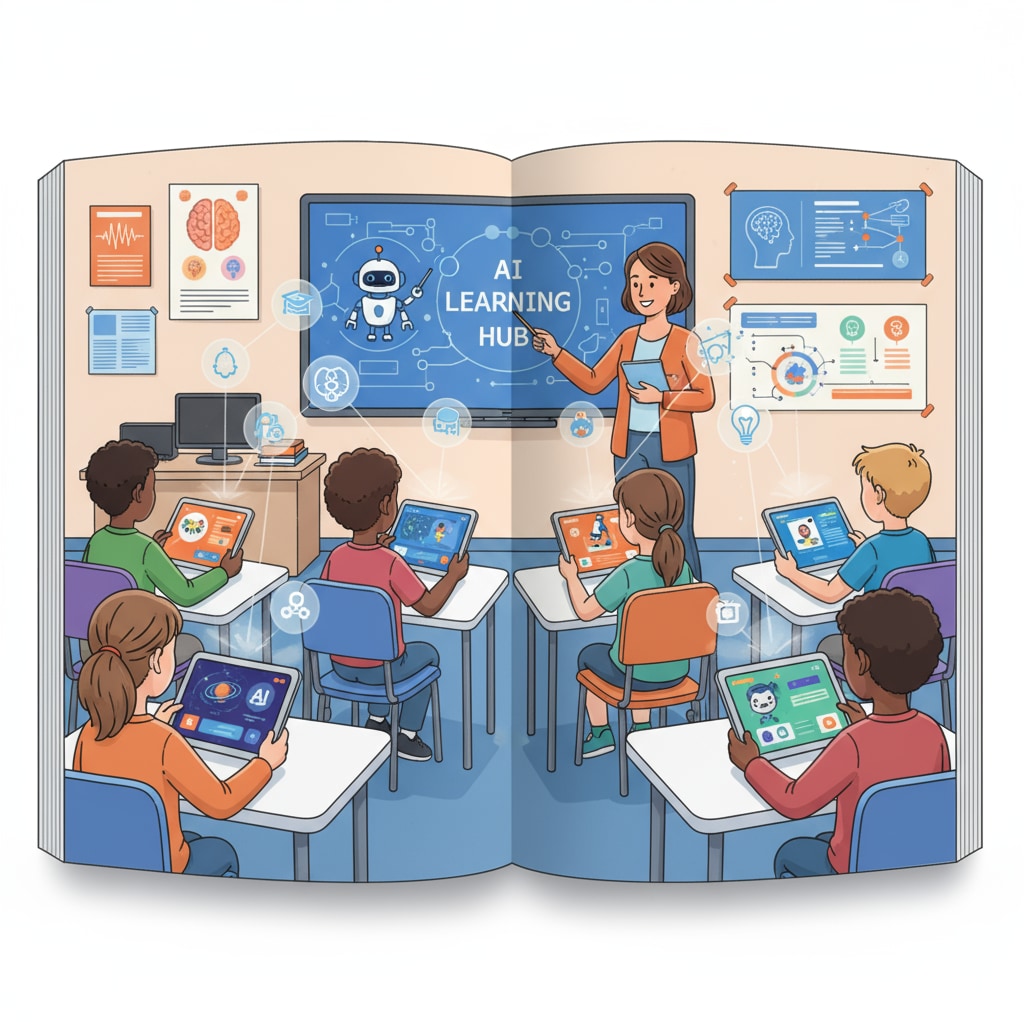
The past few years have witnessed a significant surge in the use of artificial intelligence in K12 education. From intelligent tutoring systems that adapt to individual student needs to educational apps powered by AI algorithms, the technology is changing the way students learn. For example, some AI-based learning platforms can analyze a student’s performance data in real-time, providing personalized study plans. Artificial intelligence in education on Wikipedia offers more insights into the historical development of this trend.
The Double-Edged Sword of AI as an Educational Tool
On one hand, AI has the potential to revolutionize education. It can provide immediate feedback, offer additional learning resources, and even simulate real-world scenarios for students to practice. However, it also poses risks. There’s a concern that over-reliance on AI could lead to a decline in students’ critical thinking and problem-solving skills. For instance, if students always rely on AI to solve problems, they may not develop the ability to think independently. Artificial intelligence on Britannica elaborates on the general implications of AI.
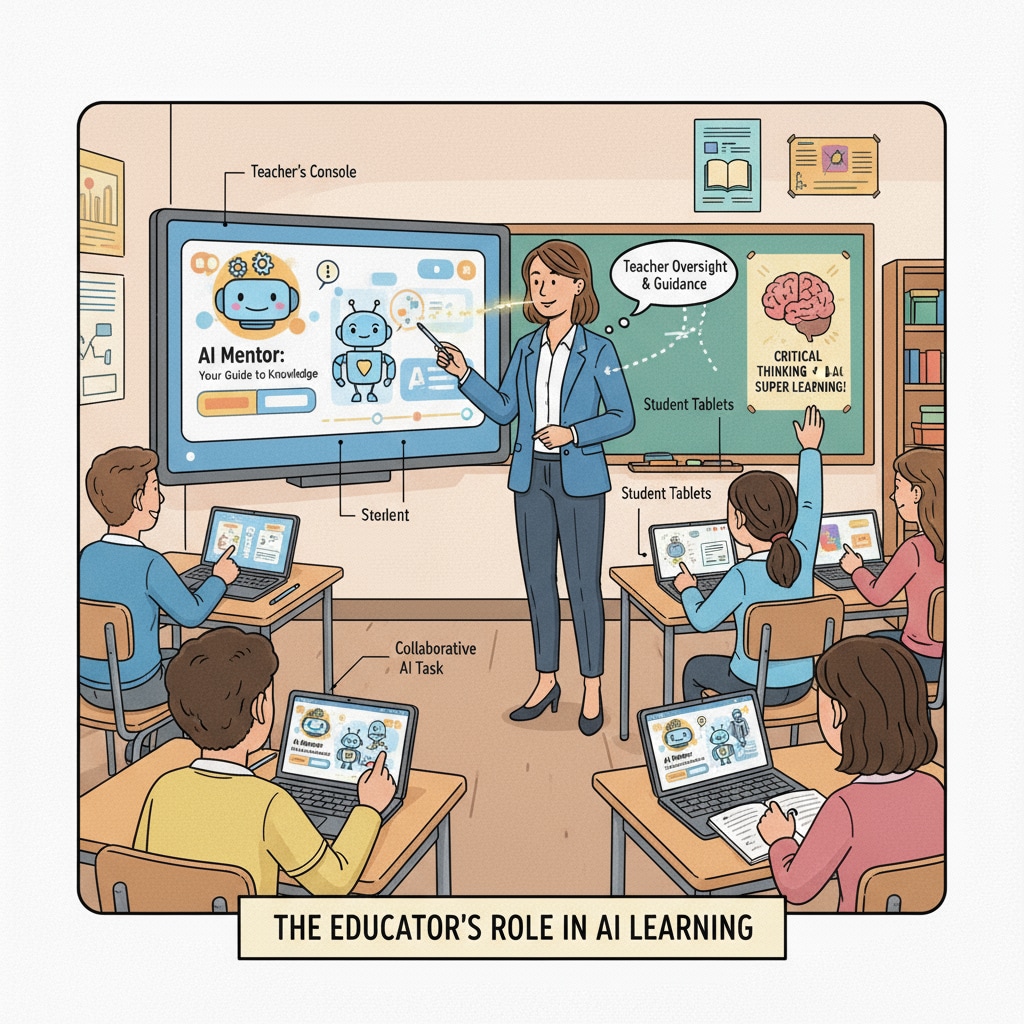
To ensure that AI serves as a beneficial learning tool, educators and parents need to set clear boundaries. This includes limiting the amount of time students spend using AI for certain tasks and guiding them on how to use it as a supplement rather than a replacement for learning.
In conclusion, artificial intelligence, education, and learning tools are intertwined in a complex relationship. By understanding the proper role of AI and implementing appropriate application methods, we can harness its power to enhance K12 education while protecting students’ fundamental learning abilities.
Readability guidance: Short paragraphs and lists are used to summarize key points. Each H2 section provides a list when possible. Passive voice and long sentence ratios are controlled, and transition words are scattered throughout the text.

