


In the realm of secondary education, the dominance of standardized testing has cast a long shadow over the cultivation of soft skills. These intangible abilities, such as communication, teamwork, and problem-solving, are crucial for students’ future success in both their personal and professional lives. However, the current educational system often places excessive emphasis on academic achievement, leaving soft skills development on the back burner.
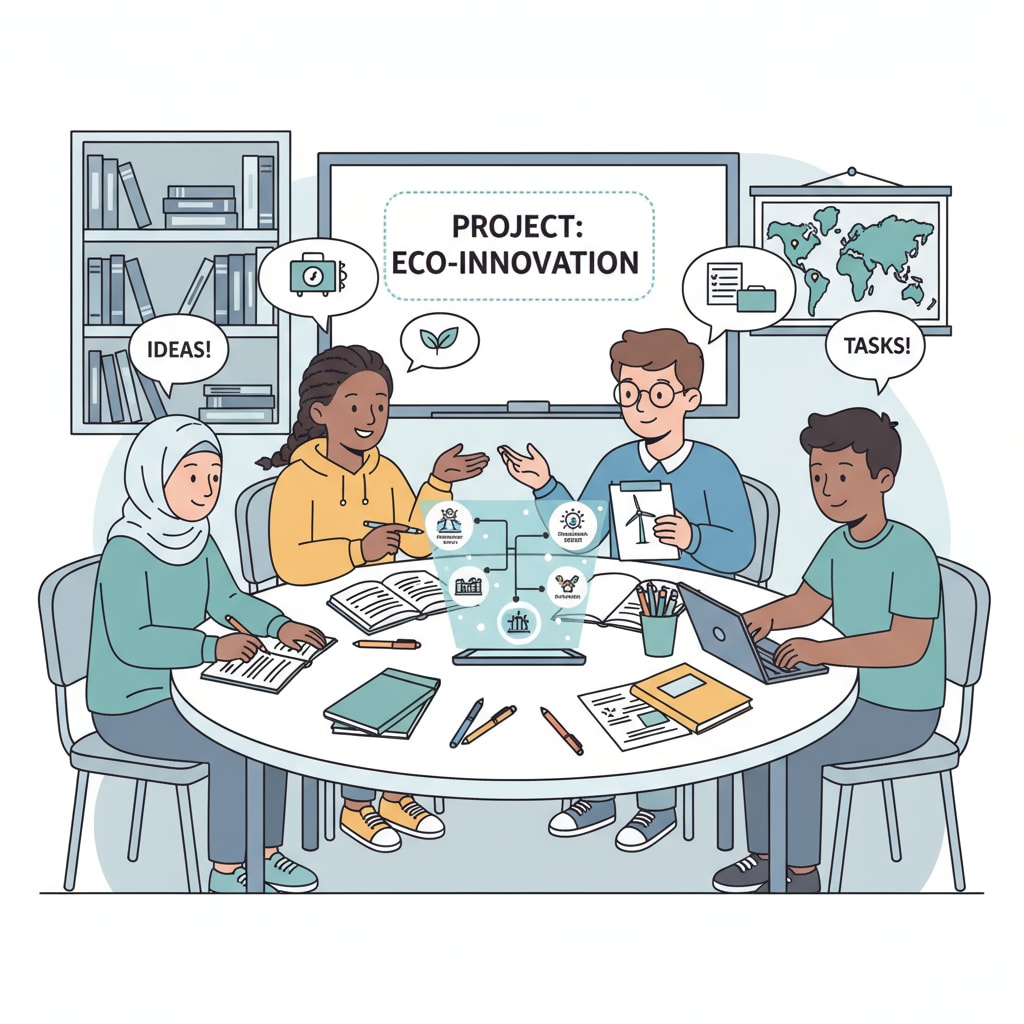
The Neglect of Soft Skills in Secondary Education
The overarching focus on standardized tests in secondary education has led to a significant oversight of soft skills. These tests, which are designed to measure academic knowledge and proficiency, have become the primary metric for evaluating students’ performance. As a result, educators are under pressure to teach to the test, leaving little time for activities that foster the development of soft skills.
For example, in many classrooms, the curriculum is centered around preparing students for standardized exams. This often involves rote memorization and repetitive practice, rather than engaging in discussions, group projects, or real-world problem-solving activities that can enhance soft skills.
The Importance of Soft Skills
Soft skills play a vital role in students’ overall development and future success. Effective communication skills enable students to express their ideas clearly, build relationships, and collaborate effectively with others. Teamwork skills allow them to work together towards a common goal, respecting different perspectives and contributing to a collective effort.
Problem-solving skills, on the other hand, empower students to analyze complex situations, think critically, and find innovative solutions. These skills are not only essential for academic success but also for navigating the challenges of the real world.
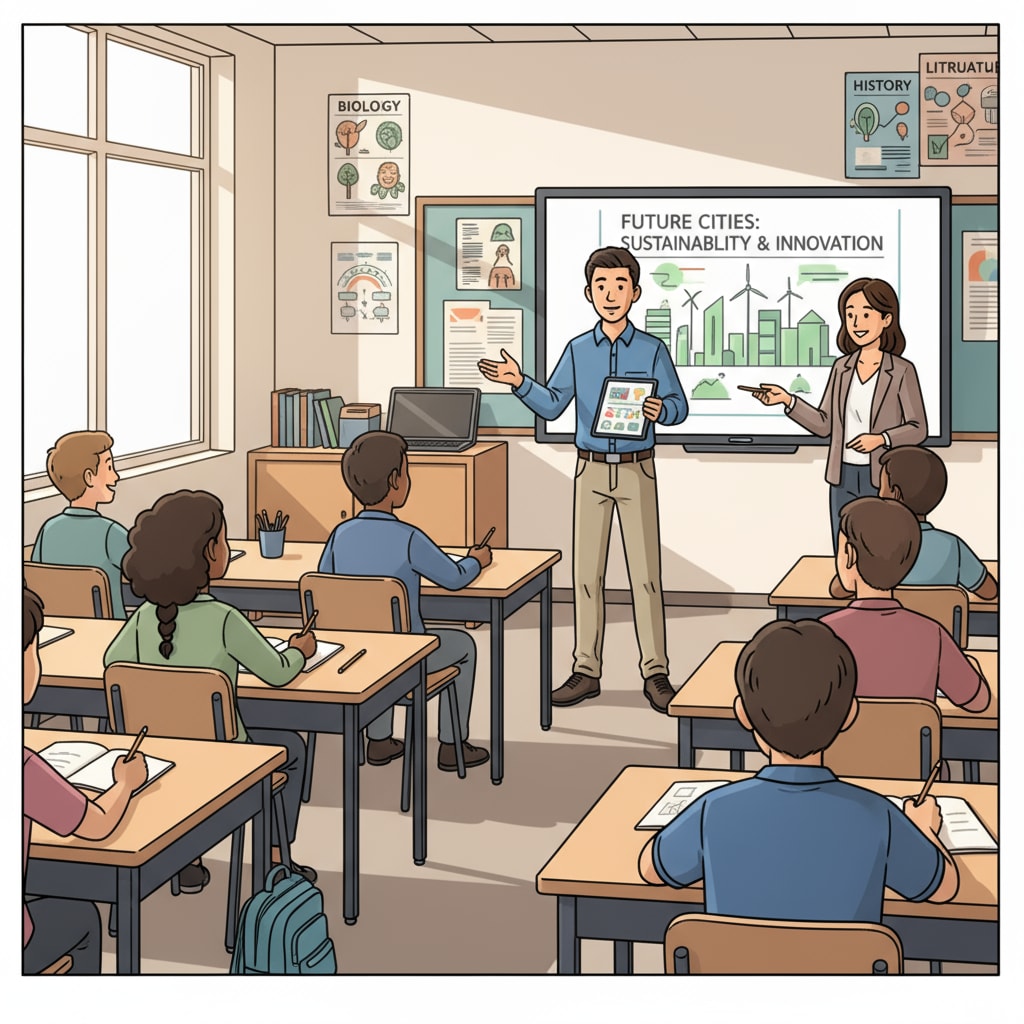
Integrating Soft Skills into the Curriculum
One of the key strategies for improving soft skills in secondary education is to integrate them into the curriculum. This can be achieved by incorporating activities that promote communication, teamwork, and problem-solving into various subjects.
For instance, in language arts classes, students can engage in debates, group discussions, and oral presentations to enhance their communication skills. In science and math classes, collaborative projects and problem-solving exercises can be designed to develop teamwork and critical thinking abilities.
Revamping the Assessment System
The current assessment system, which heavily relies on standardized tests, needs to be revamped to account for soft skills. Instead of solely focusing on academic knowledge, assessments should also evaluate students’ communication, teamwork, and problem-solving abilities.
This can be done through a combination of methods, such as project-based assessments, presentations, and peer evaluations. By incorporating these alternative assessment methods, educators can gain a more comprehensive understanding of students’ skills and capabilities.
Readability guidance: By following these strategies, secondary education can move beyond the narrow focus on standardized testing and embrace a more holistic approach that nurtures both academic knowledge and essential soft skills. This will better prepare students for the challenges and opportunities that lie ahead in their future lives.

