


STEM education, gender differences, and teaching methods are crucial aspects in ensuring equal opportunities for girls in science, technology, engineering, and mathematics fields. In recent years, there has been a growing awareness of the underrepresentation of girls in STEM disciplines. Understanding the unique learning characteristics of girls in STEM education is the first step towards creating a more inclusive and effective learning environment.
Understanding Girls’ Learning Characteristics in STEM
Girls often bring different learning styles and preferences to STEM subjects. For example, they may tend to be more collaborative learners. Research has shown that in group projects related to STEM, girls actively contribute to discussions, share ideas, and work towards a common goal. This collaborative nature can be a great asset in STEM fields where teamwork is essential, such as in engineering projects. STEM education on Wikipedia
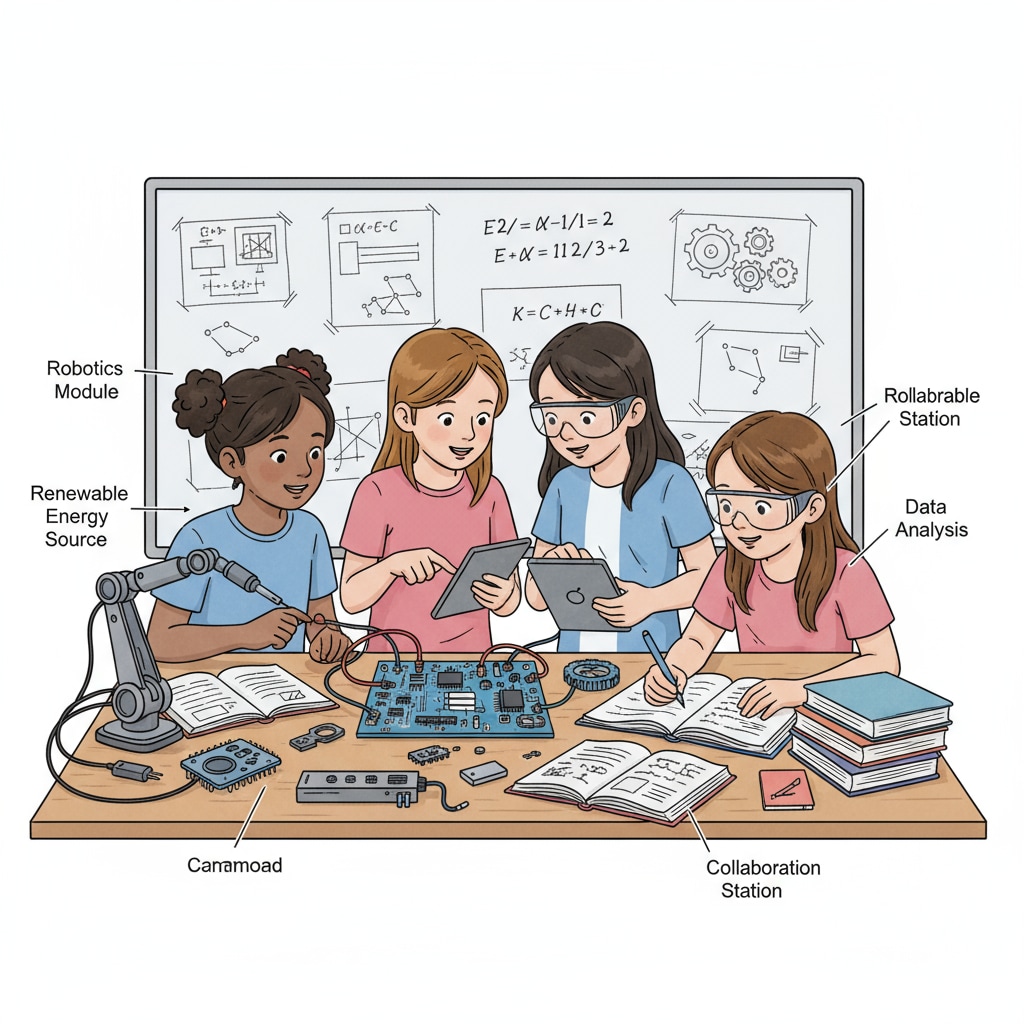
The Impact of Gender Differences on STEM Learning
Gender differences play a significant role in girls’ engagement with STEM. Social and cultural factors often create stereotypes that can discourage girls from pursuing STEM. For instance, the perception that STEM is a male-dominated field can make girls feel less confident. In addition, lack of female role models in STEM can also affect their motivation. However, when girls are exposed to successful female scientists or engineers, it can inspire them to overcome these barriers. STEM education on Britannica

To address these issues, educators need to adopt teaching methods that are tailored to girls’ needs. For example, using real-world examples and case studies that are relevant to girls’ interests can increase their engagement. Incorporating hands-on activities and experiments can also make STEM learning more appealing. By creating a supportive and inclusive classroom environment, educators can help girls thrive in STEM education.
Readability guidance: In this article, we’ve used short paragraphs to clearly present ideas. The lists help summarize key points. We’ve also controlled the proportion of passive语态 and long sentences, and added transition words like ‘for example’ and ‘in addition’ to make the article flow smoothly.

