For many Canadian families, procrastination shows up in familiar ways. After a long school day, children may delay starting homework, drift between tasks, or avoid assignments altogether. Parents often find themselves reminding, negotiating, or worrying, especially when school expectations increase as children move through elementary grades.
Procrastination in children is not a sign of laziness. In most cases, it reflects gaps in routine, confidence, or time-management skills that are still developing. With the right support at home, children can learn how to approach tasks more calmly and build habits that support success both in school and beyond.
Understanding Why Kids Procrastinate
Elementary-aged children in Canada juggle many demands—schoolwork, extracurricular activities, and social time—often with limited tools to manage stress or expectations. When an assignment feels unclear, too long, or emotionally challenging, avoidance can feel like the easiest option.
Fear of making mistakes is another common factor. Many children worry about doing work “wrong,” especially if they are sensitive to feedback from teachers or report cards. For others, perfectionism leads them to delay starting because they want their work to be flawless.
Understanding the reason behind procrastination helps parents respond with guidance rather than frustration.
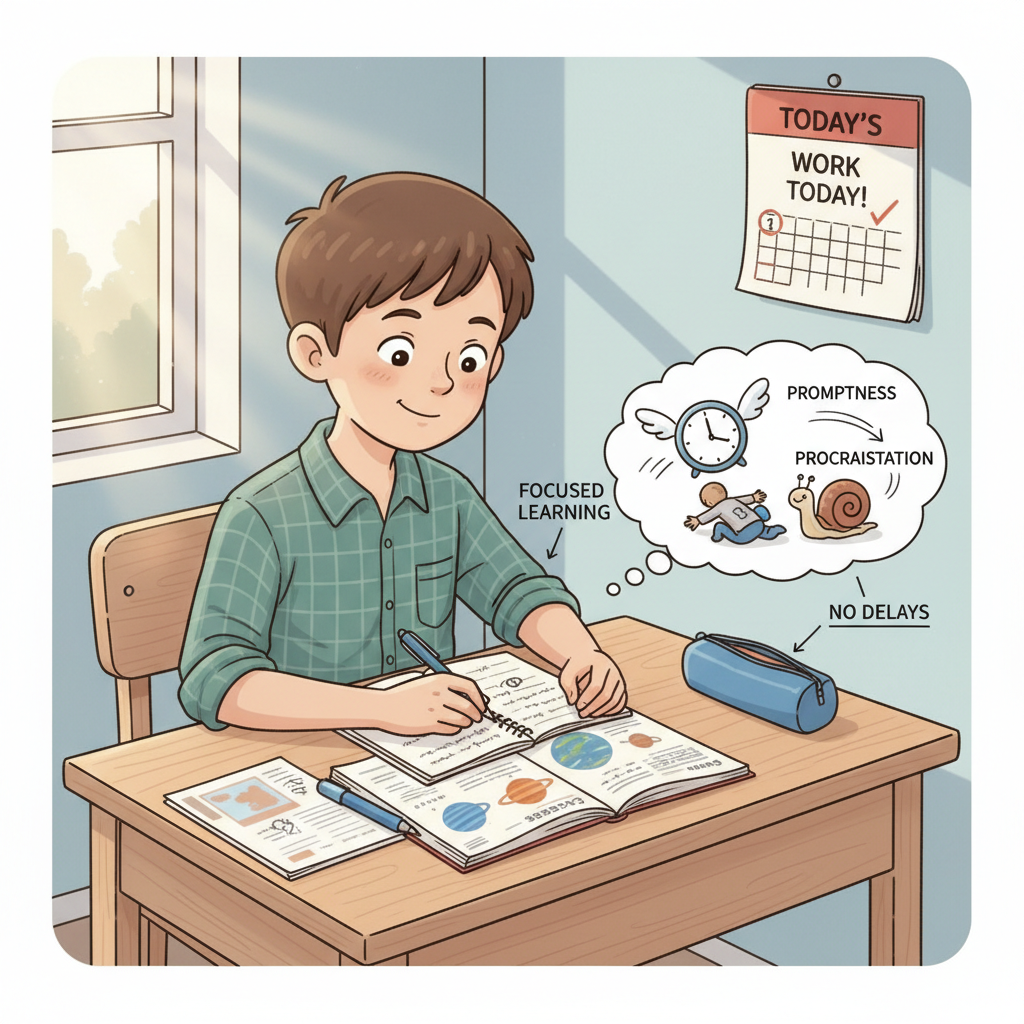
Practical Strategies That Work for Canadian Families
Helping children reduce procrastination does not require strict discipline or long study hours. Small, consistent changes in how tasks are structured can make a meaningful difference.
Break Schoolwork Into Clear, Manageable Steps
Large or open-ended assignments can feel overwhelming. Instead of asking your child to “finish homework,” help them identify one clear starting point, such as completing a short section or answering a few questions.
This approach mirrors how many Canadian classrooms scaffold learning—step by step—making tasks feel more approachable. Each completed step builds confidence and reduces resistance to continuing.
Build Simple, Predictable Homework Routines
Consistency matters more than length. Setting a regular homework time after school or after a short break helps children mentally prepare for focused work.
Short work periods with planned breaks, especially for younger elementary students, support concentration and reduce burnout. Visual timers or schedules are particularly helpful for children who struggle with time awareness.
Create a Calm, Organized Study Space
A quiet, consistent workspace helps children transition into learning mode. This does not need to be a separate room; even a designated table or desk can work if distractions are limited.
Keeping supplies within reach and involving children in organizing their space encourages responsibility and reduces excuses to delay starting work.
Supporting Motivation Without Pressure
In Canadian education, long-term learning habits are valued more than short-term performance. Helping children understand why schoolwork matters can reduce avoidance.
Link tasks to real-life applications—problem-solving, communication, or independence—rather than focusing only on grades. For tasks children strongly dislike, small, reasonable rewards can help at first, but the goal is to gradually shift toward internal motivation and pride in effort.
Create an Organized and Conducive Study Environment
A cluttered or distracting environment can significantly contribute to procrastination. Ensure your child has a dedicated, quiet space free from distractions like electronic devices or excessive noise. Make sure all necessary supplies—pencils, paper, books—are readily accessible, so they don’t have an excuse to get up and search for items.
Involve your child in organizing their study space. When they have a say in how their area is set up, they are more likely to take ownership of it. A clean and organized space signals that it’s time for focused work, making it easier for them to transition into study mode.

Encouraging a Healthy Learning Mindset
Children are more likely to procrastinate when they fear mistakes or criticism. Emphasizing effort, progress, and persistence helps create a safer learning environment.
Positive language, such as acknowledging effort or improvement, builds resilience and encourages children to start tasks even when they feel unsure. Over time, this mindset reduces avoidance and supports independence.
Helping Children Build Skills for the Long Term
Reducing procrastination is not about forcing children to work faster. It is about helping them develop skills that support learning throughout elementary school and beyond.
With clear routines, manageable expectations, and supportive guidance, children learn how to start tasks, stay focused, and feel capable of handling challenges—both in school and in everyday life.
Want to see how structured guidance can support your child’s learning habits and motivation?
Join a $free Trial Class and experience how Think Academy supports Canadian students in building strong foundations and healthy study habits.
About Think Academy
Think Academy, part of TAL Education Group, helps K–12 students succeed in school today by building strong math foundations and critical thinking skills. At the same time, we focus on the bigger picture—developing learning ability, curiosity, and healthy study habits that inspire a lifelong love of learning. With expert teachers, proven methods, and innovative AI tools, we support every child’s journey from classroom confidence to long-term growth.
Want more insights into math learning and parenting? Subscribe to our newsletter for weekly tips and the latest resources.
Join our free Trial Class or take the Free evaluation test to experience how Think Academy builds study motivation.