


Every parent in Canada hopes their child will have a fair chance to learn, grow, and succeed. Yet as children move through early childhood and elementary school, many families begin to notice that access to learning opportunities is not always equal. Differences in location, resources, and early support can quietly shape a child’s educational experience long before academic gaps become visible.
Understanding education equity and access helps parents make sense of these differences, and identify how to better support their child between the ages of 4 and 12.
What Education Equity Means in Practice
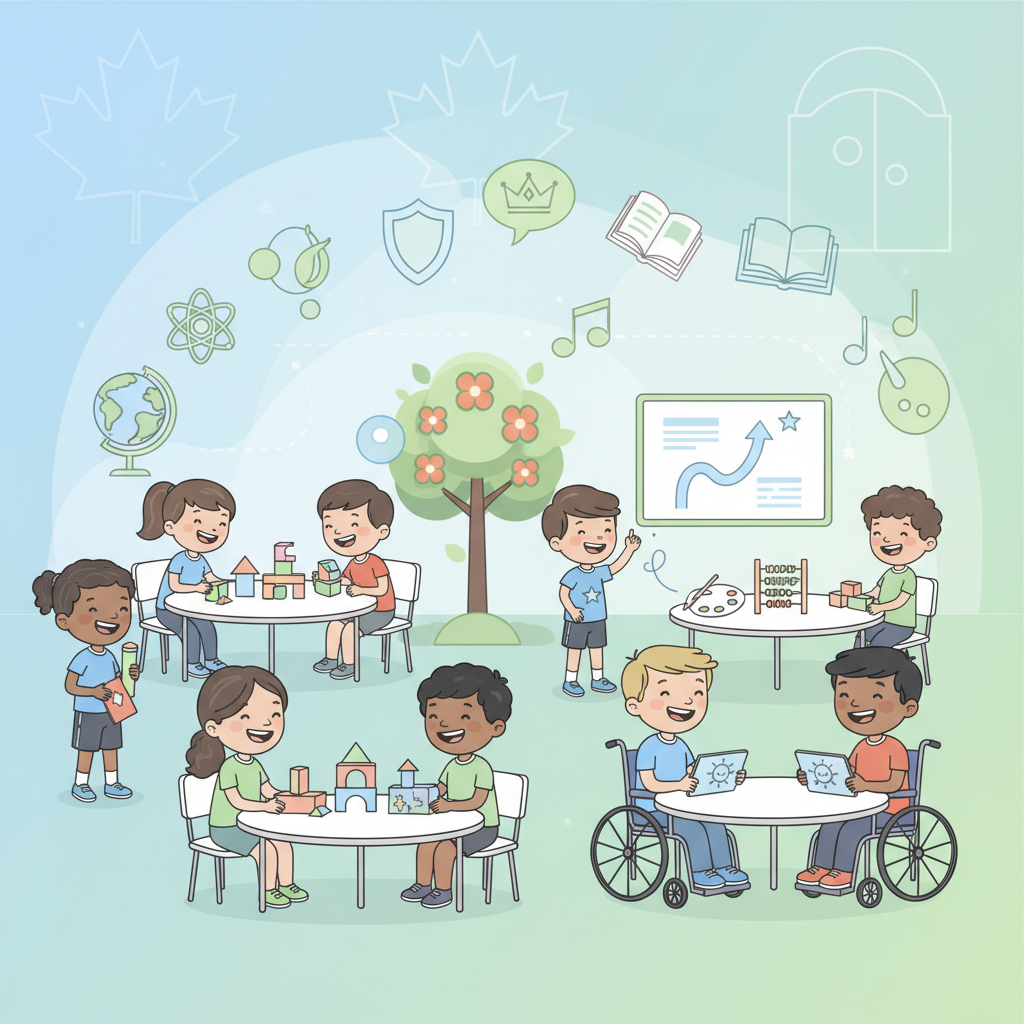
Education equity does not mean that every child receives exactly the same resources. Instead, it means that each student gets the support they need to reach their potential. In Canada, where education is managed at the provincial and territorial level, approaches to equity can vary widely depending on where a family lives.
For some children, challenges may come from limited access to early childhood programs. For others, geography plays a role—families in rural or remote communities often face fewer schooling options and reduced access to enrichment programs. Technology access also matters. Reliable internet, devices, and digital learning tools have become essential parts of modern education, yet not all households have equal access to them.
These differences may not always be obvious at first, but over time they can influence confidence, skill development, and learning habits.
How Canada Is Working Toward Fairer Access
Across the country, governments and school systems continue to invest in reducing these gaps. Early childhood education is a major focus, as research consistently shows that learning experiences in the early years strongly influence later academic outcomes.
Recent federal and provincial agreements have expanded access to more affordable childcare and early learning programs, helping families support their children before formal schooling begins. This early support can be especially important for building foundational skills in language, numeracy, and social development.
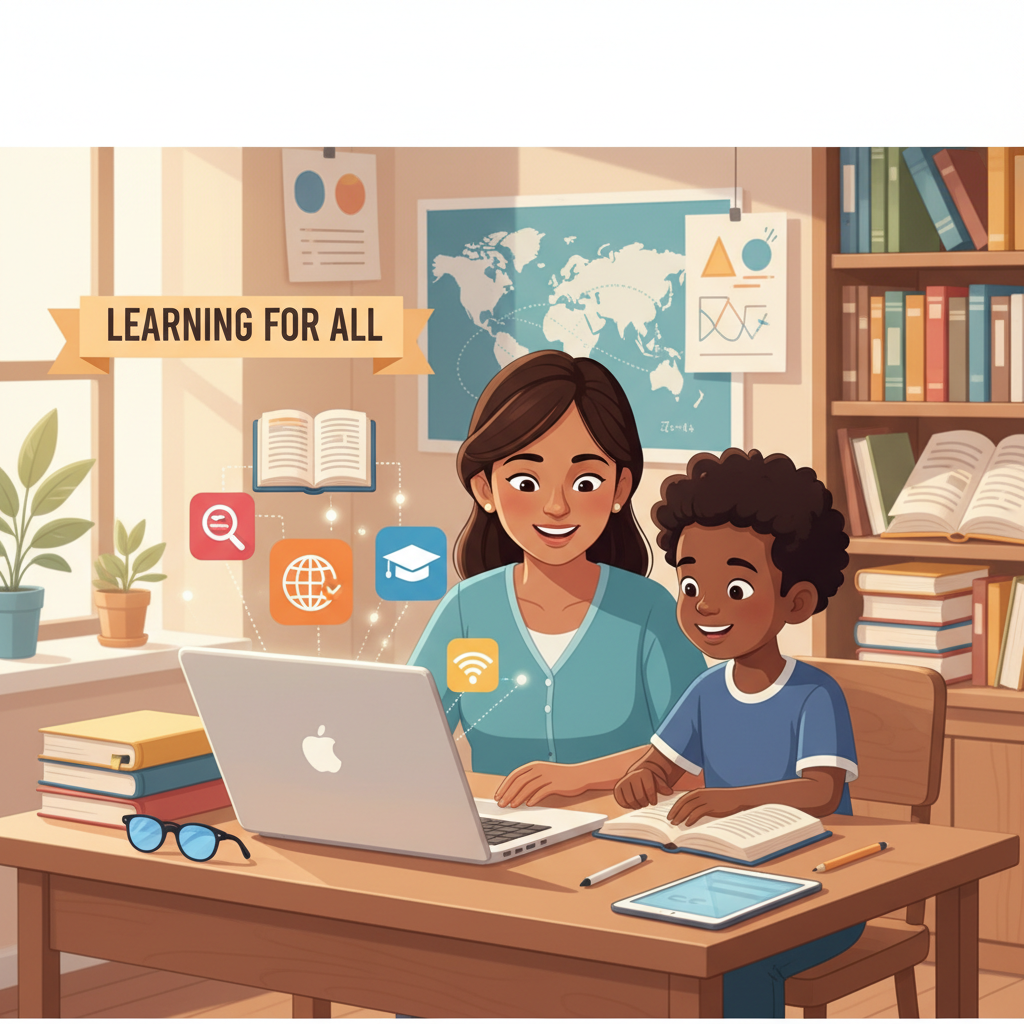
Efforts to close the digital divide have also become a priority. During periods of remote and hybrid learning, the importance of reliable technology became clear. In response, some provinces and school boards have provided devices or internet support to families who need them, helping students stay connected to learning regardless of household circumstances.
At the classroom level, curriculum updates increasingly aim to reflect diverse backgrounds and learning needs, supporting student engagement and a sense of belonging from an early age.
How Parents Can Support Access and Advocate for Their Child
Parents play a critical role in making education equity meaningful at the individual level. Staying informed about programs and resources available in your province or school board is a strong first step. Policies and supports often exist, but families may need to actively seek them out.
Regular communication with teachers can help ensure your child’s learning needs are understood early. Parent-teacher meetings, school council discussions, and check-ins about classroom resources all provide opportunities to ask questions and raise concerns. Understanding how your child learns—and sharing that insight with educators—can make a real difference.
Community organizations can also be valuable partners. Many local groups offer tutoring, mentorship, or technology support for families who need additional resources. These programs often complement school-based learning and help fill gaps that schools alone cannot address.
Above all, advocacy does not need to be confrontational. Asking informed questions, staying engaged, and supporting your child’s confidence and curiosity all contribute to a more equitable learning experience.
Looking Ahead
Education equity and access are ongoing efforts, shaped by policy, community support, and family involvement. While systems continue to evolve, parents remain one of the most powerful influences on a child’s educational journey. By staying informed and engaged, you help ensure your child benefits from available opportunities while also supporting a more inclusive system for all learners.
At Think Academy, we work with families across Canada who want to strengthen their children’s foundations early, especially in math and problem-solving. Our approach focuses not only on academic skills, but also on confidence, learning habits, and long-term growth.
For more insights into education, learning, and parenting in Canada, explore the Think Academy Blog or subscribe to our newsletter for weekly updates and resources.

