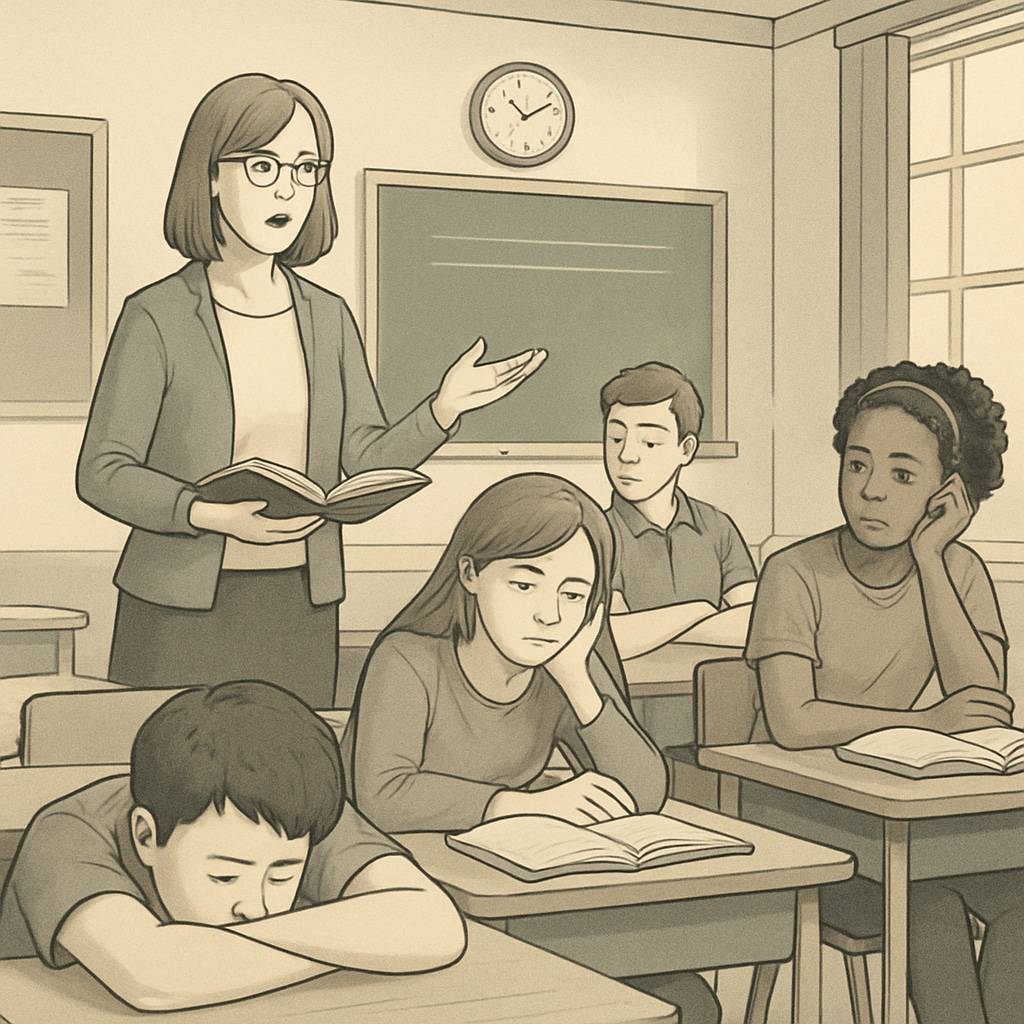
Student boredom in educational environments, particularly within K12 classrooms, has been a persistent challenge for educators worldwide. The monotony of traditional teaching methods, mismatched curriculum design, and the diverse individual needs of learners often contribute to disengagement and dissatisfaction. This article delves into the causes behind this phenomenon and proposes strategies that educators can implement to create more engaging classroom experiences.
What Causes Student Boredom in the Classroom?
Boredom in classrooms arises from various factors, many of which are interconnected. Below are some of the key contributors:
- Teaching Methods: Traditional lecture-based methods often fail to capture students’ attention, especially in an age of digital distractions and evolving learning styles.
- Curriculum Design: Overly rigid or outdated curricula may not address the interests or real-world applicability that students yearn for.
- Individual Differences: Students have diverse learning preferences and attention spans, making it challenging to design lessons that cater to everyone.
For example, a study published by the Britannica highlights the importance of interactive learning methods in combating boredom. Similarly, research from Wikipedia emphasizes the need for personalized approaches in modern education systems.
Impact of Boredom on Learning Outcomes
The repercussions of student boredom extend beyond temporary disengagement. Prolonged boredom can affect academic performance, emotional well-being, and attitudes toward learning. Students who frequently feel bored may develop negative perceptions of education, leading to lower participation rates and academic achievement.
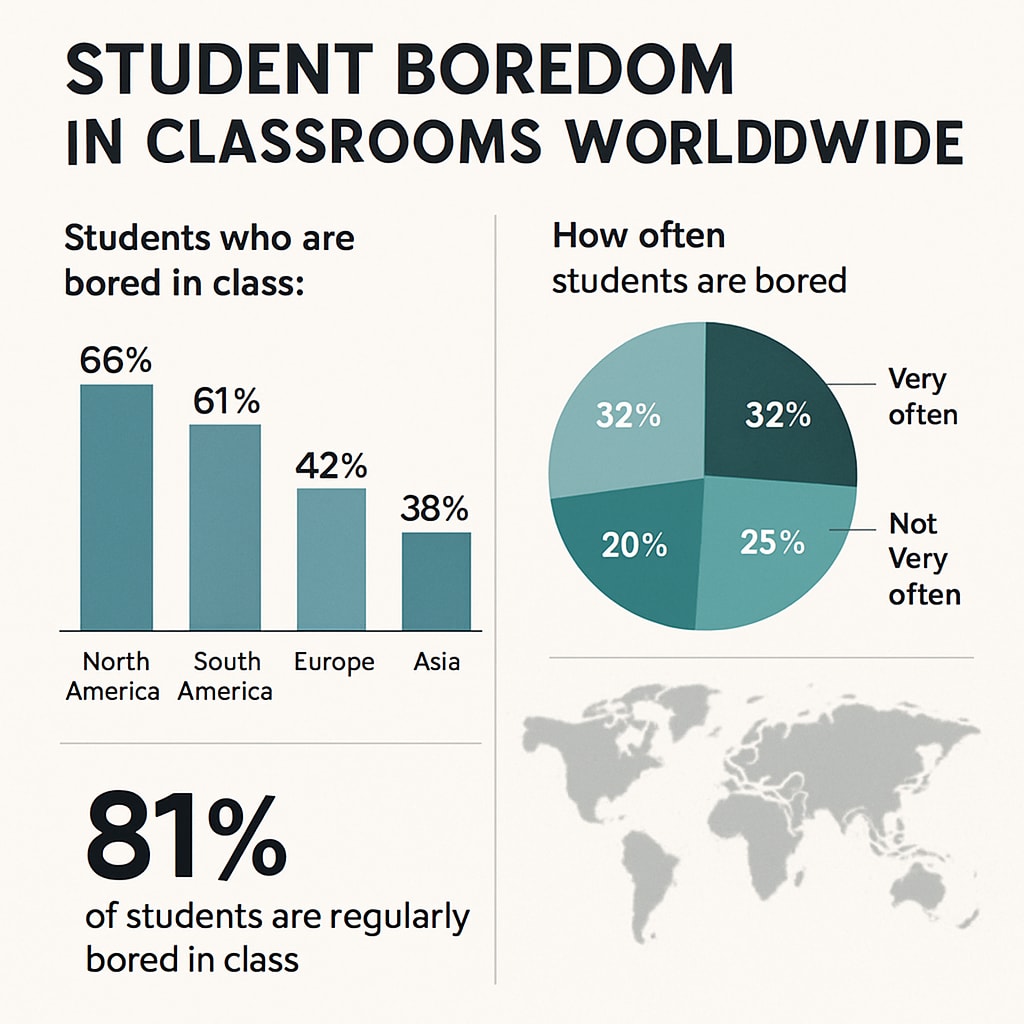
According to a survey conducted across multiple countries, over 60% of students admitted to feeling bored in class at least once a week. This statistic underscores the urgency of addressing this issue within educational institutions.
Addressing Student Boredom: Strategies for Educators
There are several ways educators can reduce boredom and foster a more engaging learning environment:
- Incorporate Interactive Learning: Use group discussions, hands-on activities, and technology to make lessons more dynamic.
- Revise Curriculum Design: Ensure that course content is both relevant and adaptable to current trends and student interests.
- Personalize Learning Experiences: Utilize differentiated instruction to cater to individual learning styles and needs.
By implementing these strategies, educators can create a more stimulating environment where students are motivated to learn and participate actively.
Conclusion: Shifting Toward Engaging Classrooms
Student boredom in educational environments is a multifaceted issue that requires attention from both educators and policymakers. By addressing teaching methods, curriculum design, and individual differences, schools can foster classrooms that inspire curiosity and engagement. Ultimately, the goal is to create an atmosphere where students not only learn but thrive.
As the educational landscape continues to evolve, finding innovative ways to tackle boredom will be crucial for ensuring the academic and emotional success of future generations.
Readability guidance: The article uses short paragraphs, lists, and accessible language to ensure clarity. Transition words like “however,” “as a result,” and “in addition” are used to enhance flow. Passive voice is minimized, and active voice is prioritized for better engagement.