Zoom and ReZoom teaching activities are powerful tools for K12 educators to foster classroom engagement, encourage collaboration, and accommodate various learning styles. By following the correct sequence and leveraging practical tips, educators can maximize the impact of these activities while ensuring a seamless experience for students. In this guide, we’ll explore the essential steps, strategies, and answers key to successfully implement Zoom and ReZoom activities in your classroom.
Understanding Zoom and ReZoom Activities
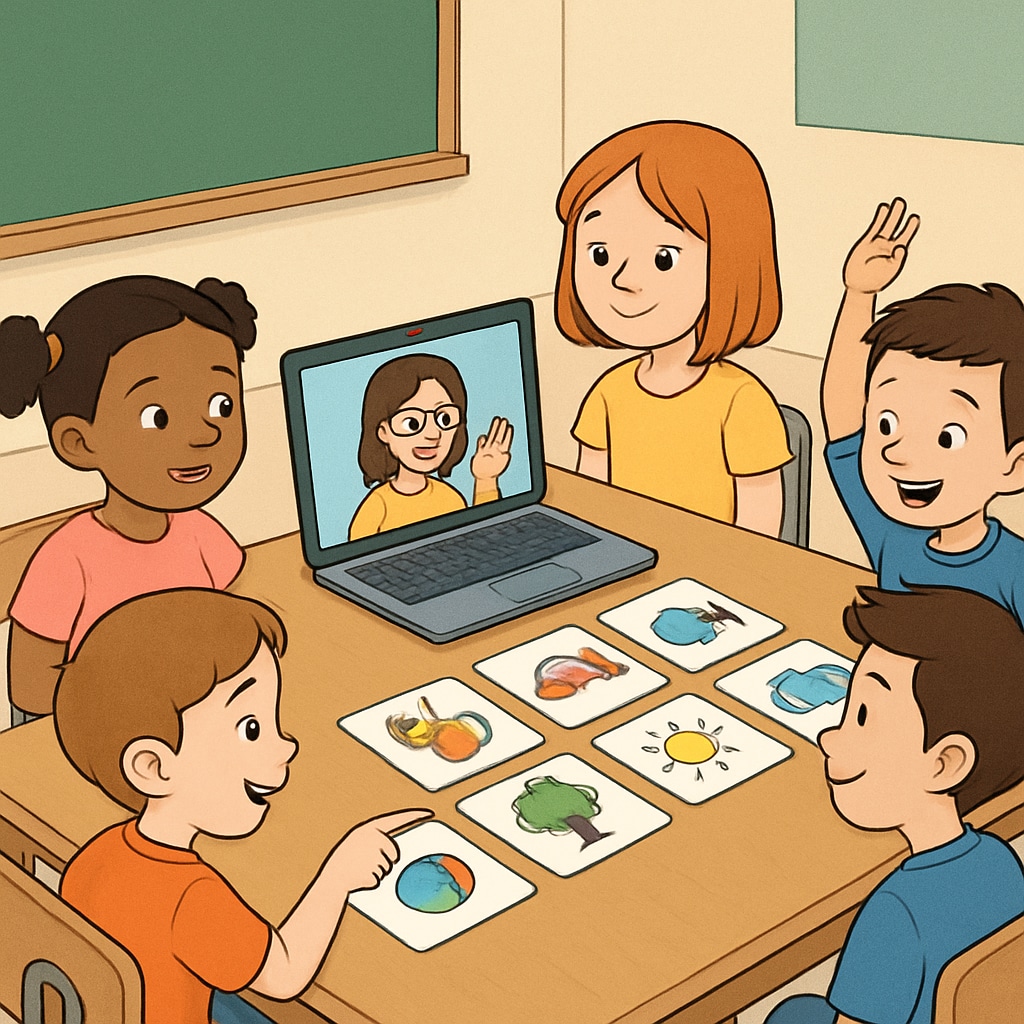
Zoom and ReZoom activities are designed to develop students’ critical thinking, teamwork, and problem-solving skills. “Zoom” focuses on sequencing images or concepts to form a cohesive narrative, while “ReZoom” involves reversing the process to explore broader contexts. These activities are particularly effective in group settings, where students collaborate to piece together information.
To begin, educators need to prepare materials—typically a set of images or ideas—and organize them in a logical sequence. Students are tasked with arranging these elements based on clues provided during the activity. ReZoom challenges students to think in reverse, identifying connections and relationships between the components.
Step-by-Step Guide to Implementing Zoom and ReZoom
To ensure the success of these activities, educators should follow a structured implementation process. Below is a step-by-step guide:
- Prepare Materials: Create or collect a series of images or concepts that are interconnected. Ensure clarity in the sequence or relationships.
- Divide Students into Groups: Grouping students encourages collaboration and diverse perspectives. Aim for groups of 3–5 students for optimal engagement.
- Explain the Objectives: Provide a brief overview of the activity, highlighting the goals, rules, and expected outcomes.
- Distribute Materials: Hand out the materials to each group and ensure they understand the task.
- Facilitate the Activity: Observe the groups as they work, offering guidance if needed, but avoid giving direct answers.
- Debrief: After the activity, lead a discussion about the process, challenges faced, and insights gained. Encourage students to share their interpretations.
Key Tips for Success
To optimize the effectiveness of Zoom and ReZoom activities, consider the following tips:
- Adapt to Learning Styles: Students learn differently. Use both visual and verbal cues to cater to diverse preferences.
- Encourage Collaboration: Promote teamwork by fostering a supportive environment. Praise group efforts and individual contributions.
- Provide Clear Instructions: Ambiguity can lead to confusion. Ensure your instructions are concise and straightforward.
- Use the Answers Key: Prepare an answers key to verify the correct sequence or connections. This helps during debriefing and evaluation.
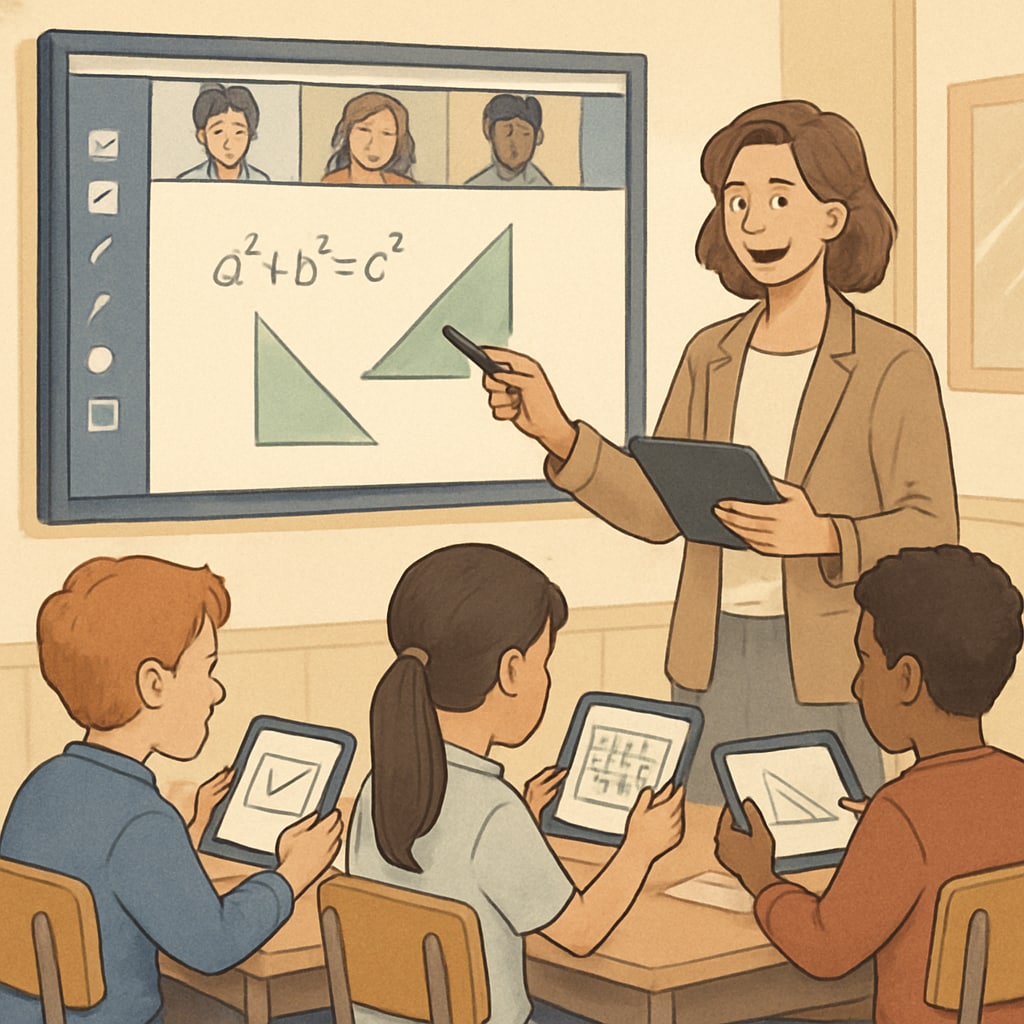
- Integrate Technology: If feasible, use digital tools to enhance the activity. Interactive whiteboards or presentation software can streamline the process.
Why Zoom and ReZoom Are Effective for K12 Classrooms
Zoom and ReZoom activities are highly versatile and suitable for various subjects, making them ideal for K12 classrooms. Their benefits include:
- Improved Engagement: Students actively participate, making learning interactive and enjoyable.
- Critical Thinking Development: These activities challenge students to think logically and creatively.
- Teamwork Enhancement: Group-based tasks foster collaboration and communication skills.
- Adaptability: Activities can be tailored to different age groups and subjects, from science to storytelling.
For more information on activity planning and collaborative learning, visit Collaborative Learning on Wikipedia or explore Education Strategies on Britannica.
Readability guidance: Short paragraphs, clear headings, and bullet points ensure user-friendly content. By incorporating practical advice and external resources, this guide supports educators in creating engaging classroom experiences.