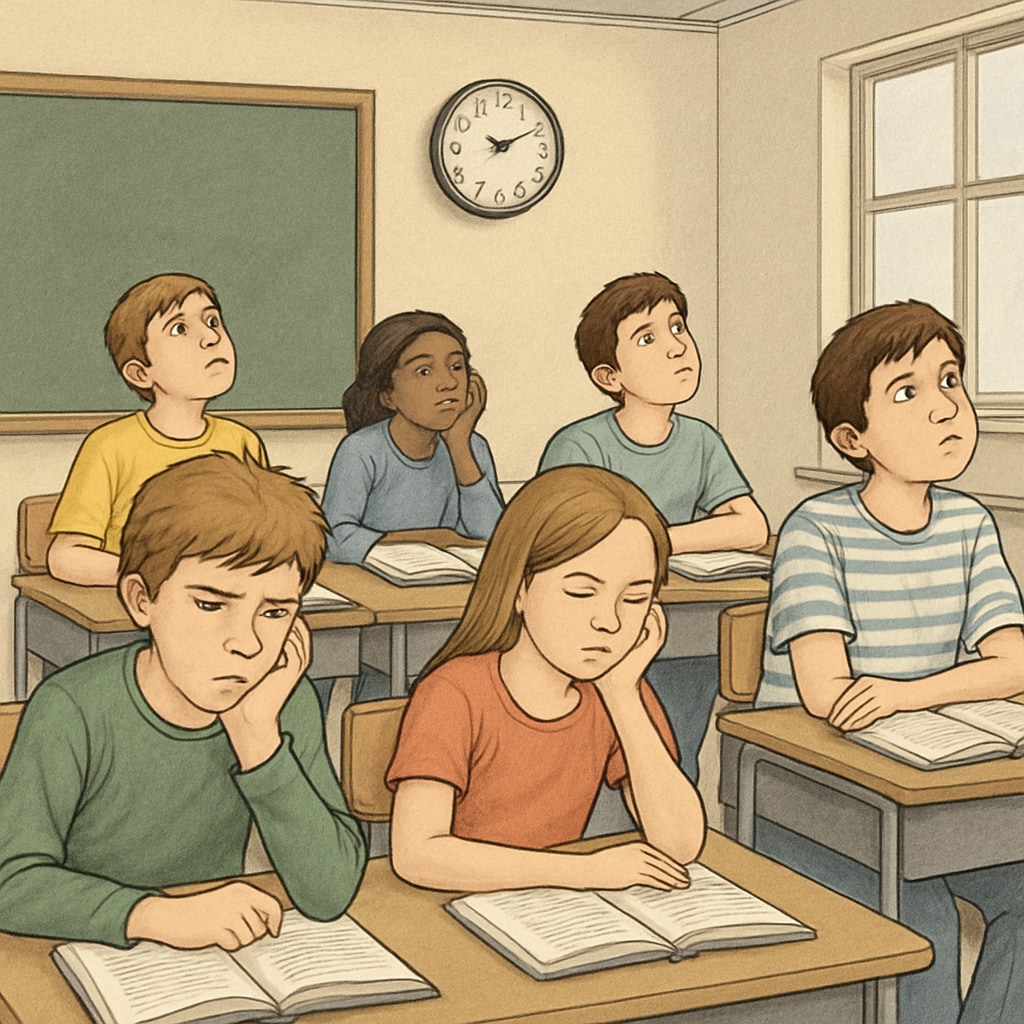
Recent global studies have shed light on a critical issue in education: the overwhelming sense of boredom experienced by students in K12 classrooms. This “hidden epidemic” of boredom transcends cultural and geographical boundaries, revealing a universal challenge in modern education systems. In this article, we delve into the causes of this pervasive issue, its implications for student development, and potential strategies to create a more engaging learning environment.
Understanding the Causes of Boredom in Education
To address the issue of boredom in classrooms, it is essential to first understand its root causes. Research indicates several contributing factors:
- Overemphasis on Rote Learning: Many education systems still prioritize memorization over critical thinking and creativity, leaving students disengaged.
- Lack of Relevance: When students fail to see the connection between their studies and real-world applications, they lose interest.
- Monotonous Teaching Methods: Traditional teaching styles, such as prolonged lectures, often fail to cater to diverse learning styles.
- Overloaded Curricula: The pressure to cover vast amounts of material can make learning feel like a chore rather than an opportunity for exploration.
For example, a 2020 study published by the American Psychological Association (APA on student engagement) found that nearly 40% of students reported feeling bored in at least half of their classes. This alarming statistic highlights the need for systemic change.
The Impact of Boredom on Student Outcomes
Boredom in the classroom does not merely lead to temporary disengagement; its effects can be long-lasting and detrimental. Here are some key consequences:
- Decline in Academic Performance: Students who are disengaged are less likely to retain information, leading to lower test scores and grades.
- Behavioral Issues: Bored students are more likely to display disruptive behavior as a means of coping with their dissatisfaction.
- Decreased Motivation: Chronic boredom can erode a student’s intrinsic motivation to learn, affecting their long-term educational goals.
- Mental Health Concerns: Prolonged periods of disengagement have been linked to feelings of frustration, anxiety, and even depression.
Solutions to Foster Student Engagement
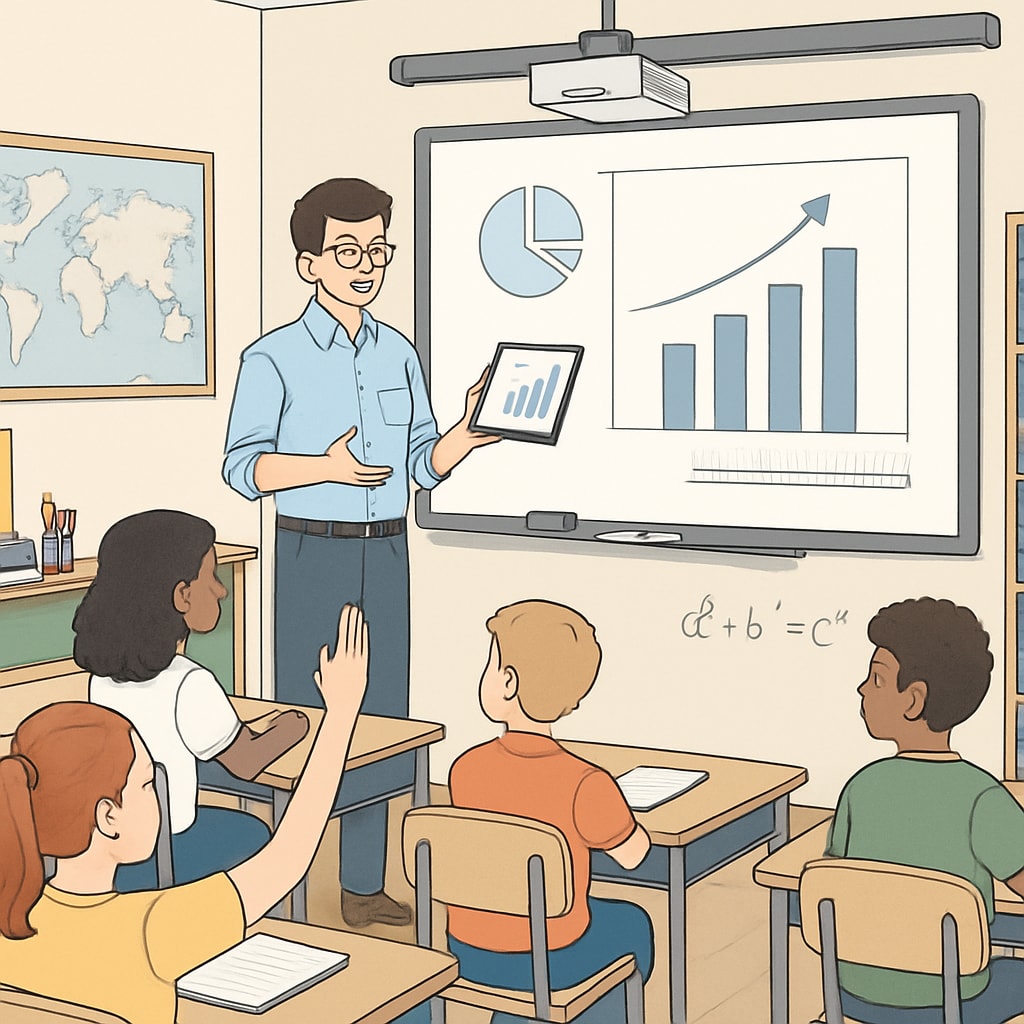
While the challenge of boredom in K12 education is significant, it is not insurmountable. Here are some strategies that educators and policymakers can employ to make learning more engaging:
- Incorporate Active Learning: Methods such as group discussions, hands-on projects, and problem-solving exercises can make lessons more dynamic.
- Leverage Technology: Tools like educational apps and interactive whiteboards can cater to different learning styles and keep students interested.
- Connect Learning to Real Life: Demonstrating the practical applications of academic concepts can help students see the value in their education.
- Focus on Student-Centered Learning: Allowing students to have a say in their learning process and tailoring lessons to their interests can significantly boost engagement.
For instance, Finland’s education model, which emphasizes personalized learning and minimal standardized testing, has been praised globally for its ability to keep students motivated and engaged (Education in Finland on Britannica).
The Role of Educators and Policymakers
To tackle the hidden epidemic of boredom, both educators and policymakers must play a proactive role. Teachers should be encouraged to adopt innovative teaching methods and attend professional development programs focused on student engagement. Meanwhile, policymakers must design curricula that prioritize depth over breadth, allowing for more interactive and exploratory learning experiences.
Additionally, involving students in the decision-making process can provide valuable insights into what motivates them. By listening to their voices, educators can create a classroom environment that fosters curiosity and enthusiasm.
In conclusion, addressing boredom in K12 classrooms requires a collective effort from all stakeholders in education. By rethinking traditional methods and embracing innovative strategies, we can create a learning environment that truly inspires and engages students, setting them on a path to lifelong success.
Readability guidance: This article uses short, concise paragraphs and clear subheadings to improve readability. Key points are summarized in lists, and appropriate transitions are used throughout to ensure a smooth flow of ideas.