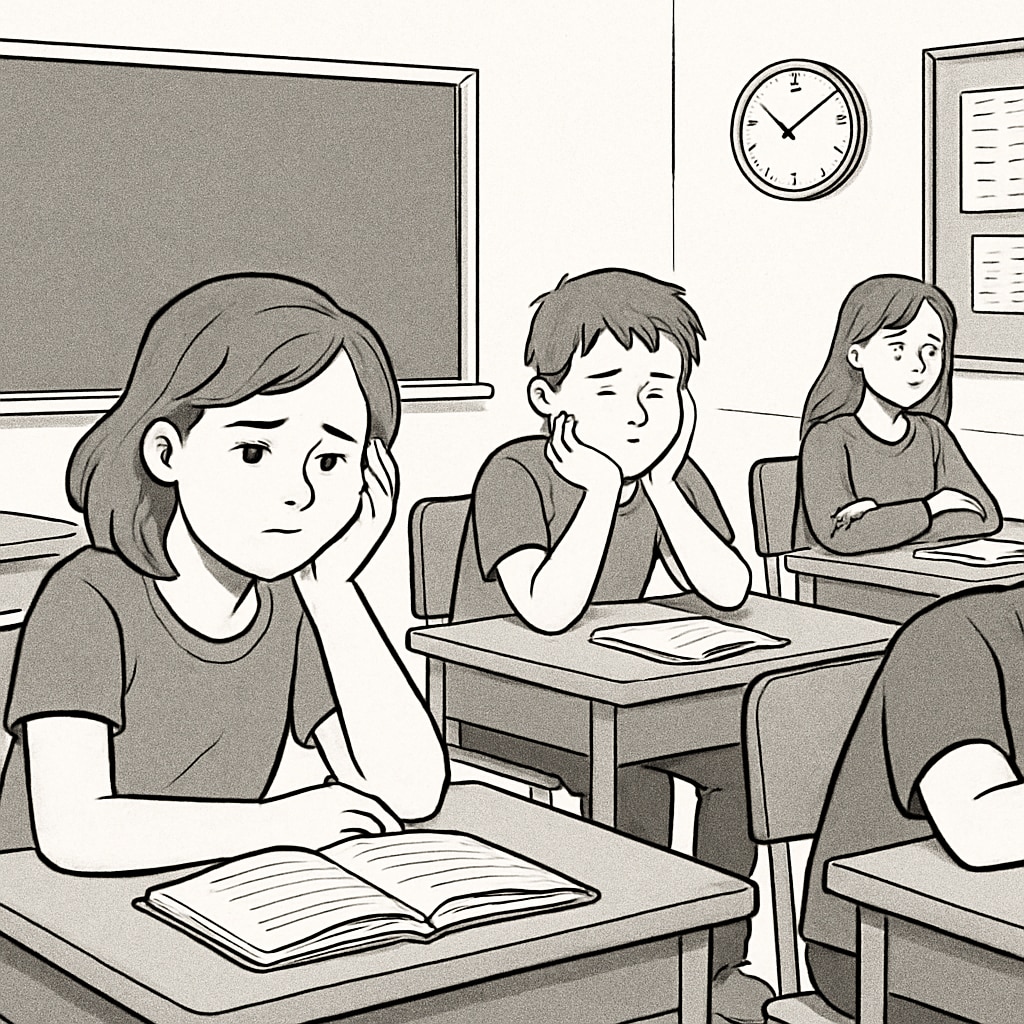
The topic of “students’ boredom, education studies, and cross-national data” has become increasingly relevant as researchers uncover alarming evidence about disengagement in classrooms worldwide. Studies spanning multiple countries consistently show that boredom is a universal issue affecting students in K-12 education. This article examines the underlying causes of this widespread phenomenon, its long-term consequences, and potential strategies to create more engaging learning environments.
The Global Scope of Students’ Boredom
According to cross-national research, students’ boredom is not limited to specific regions or educational systems. A large-scale study conducted by the Organisation for Economic Co-operation and Development (OECD) found that over 50% of students in developed countries frequently feel bored during class. Similarly, surveys in developing nations report comparable or even higher levels of disengagement. The data suggests that this is a systemic issue, transcending economic, cultural, and geographical boundaries.
For example, the Programme for International Student Assessment (PISA) reports indicate that students in both high-performing countries, such as Finland, and lower-performing regions, like parts of Latin America, share similar experiences of monotony in the classroom. While the factors contributing to boredom may vary, the global consistency of this issue highlights a critical need for intervention.
Causes of Boredom in Education
There are several reasons why students frequently feel bored in classrooms. These include:
- Outdated teaching methods: Many educators rely on traditional lecture-based methods, which fail to capture students’ attention, especially in the digital age.
- Lack of relevance: Students often struggle to see the practical application of what they are learning, leading to a sense of detachment from the material.
- Overemphasis on standardization: The focus on standardized testing and rigid curricula can stifle creativity and critical thinking, making learning feel repetitive and uninspiring.
- Insufficient teacher training: Educators may lack the tools or knowledge to implement engaging, student-centered teaching techniques.
In addition to these factors, students’ personal challenges, such as stress or lack of sleep, can exacerbate feelings of disengagement. Addressing these root causes is crucial for improving classroom dynamics.
The Impact of Classroom Disengagement
The consequences of widespread boredom in education are far-reaching. Research shows that disengaged students are more likely to underperform academically, drop out of school, and develop negative attitudes toward learning. Over time, this can lead to a workforce that lacks critical skills and creativity, ultimately impacting economic growth and innovation.
Moreover, boredom can harm students’ mental health. A study published in the journal Learning and Individual Differences found a strong correlation between boredom and symptoms of anxiety and depression in adolescents. This underscores the need for educators and policymakers to view engagement as a priority, not a luxury.

Solutions to Combat Students’ Boredom
To address this global challenge, educators and policymakers must adopt innovative strategies that prioritize student engagement. Here are some effective approaches:
- Adopt active learning techniques: Methods such as group discussions, project-based learning, and hands-on activities can make lessons more interactive and enjoyable.
- Integrate technology: Digital tools, such as educational apps and virtual reality, can provide immersive learning experiences that resonate with tech-savvy students.
- Personalize education: Tailoring lessons to individual students’ interests and strengths can boost motivation and make learning more meaningful.
- Provide teacher training: Equipping educators with modern pedagogical strategies and tools is essential for fostering engagement.
- Encourage student feedback: Involving students in the design of lessons and activities can help ensure that their needs and preferences are met.
These solutions are not one-size-fits-all; their effectiveness depends on factors such as cultural context, available resources, and the specific needs of students. However, implementing even small changes can make a significant difference in reducing classroom boredom.
Conclusion: A Call to Action
The issue of “students’ boredom, education studies, and cross-national data” highlights a pressing need for reform in K-12 education systems worldwide. By understanding the causes and consequences of this widespread disengagement, educators and policymakers can take meaningful steps to create more engaging, inclusive, and dynamic learning environments. Ultimately, addressing boredom is not just about improving academic outcomes; it is about fostering a love for learning that will benefit students for a lifetime.
Readability guidance: This article features short paragraphs, active voice, and clear transitions to enhance readability. Lists are used to summarize key points, and technical terms are explained for accessibility.