


Student boredom, classroom engagement, and education research have become critical topics in global K12 education. Around the world, educators are grappling with the alarming prevalence of student disengagement, which negatively affects academic performance, social development, and future prospects. This article examines international research data to highlight the scope of this issue, explores the underlying causes, and proposes actionable solutions for schools and educators.
The Scope of Student Boredom: What the Data Reveals
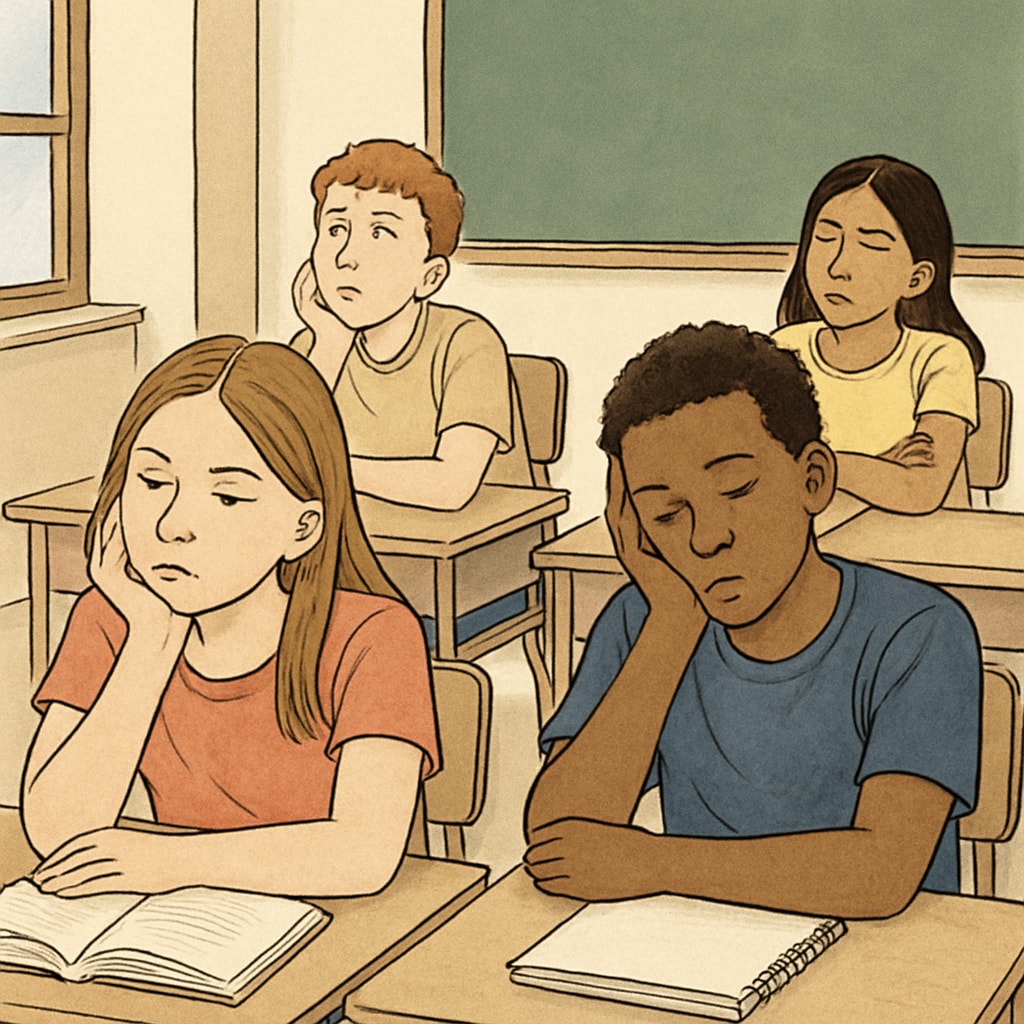
Global studies consistently show that student boredom is not limited to one country or region. For example, a survey conducted by the Organisation for Economic Co-operation and Development (OECD) found that nearly 40% of students across 36 participating nations reported feeling bored in class at least once a week. Similarly, a study by the National Center for Education Statistics (NCES) in the United States revealed that boredom is one of the most frequently cited reasons for absenteeism in high schools.
Moreover, classroom boredom is remarkably prevalent in both developed and developing countries, indicating that it is not solely a matter of resource allocation or teaching methods. This widespread phenomenon raises questions about the structural aspects of education systems globally.
Identifying Causes of Classroom Boredom
Understanding the root causes of student boredom is crucial for addressing the issue effectively. Research highlights several key factors:
- Lack of Relevance: Many students struggle to see how the curriculum relates to their lives or future goals, leading to disengagement.
- Teaching Methods: Traditional lecture-based teaching often fails to stimulate student interest or accommodate diverse learning styles.
- Overloaded Schedules: Students in some countries face excessively packed schedules, leaving little room for creativity, relaxation, or personal exploration.
- Technological Distractions: The rise of smartphones and social media reduces attention spans, making it harder for students to focus during lessons.
As a result, schools must adopt innovative and inclusive strategies to combat these challenges.
Solutions for Improving Classroom Engagement
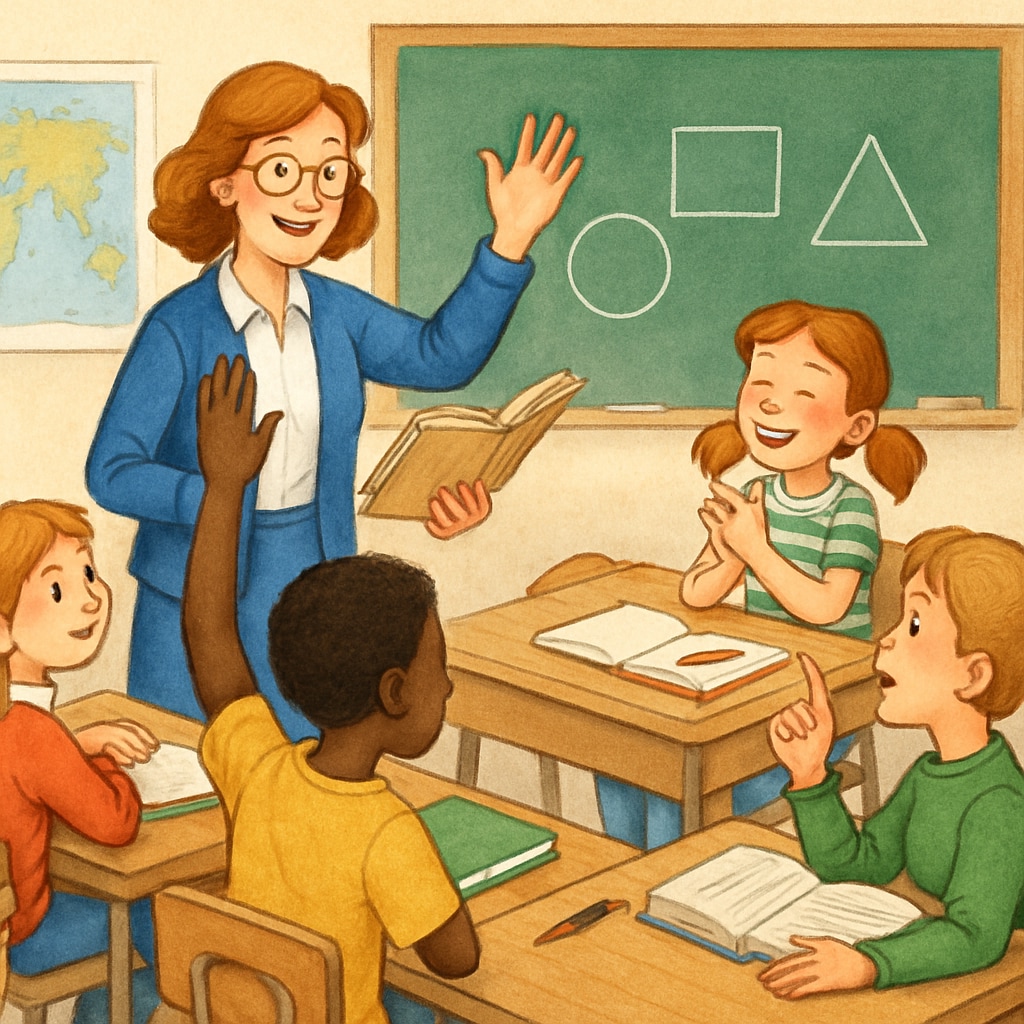
Although student boredom is a complex issue, there are several evidence-based approaches that educators can implement to enhance classroom engagement:
- Interactive Teaching Methods: Tools like project-based learning, group discussions, and hands-on experiments encourage active participation.
- Personalized Learning: Tailoring lessons to individual interests and abilities can make the material more engaging and relevant.
- Incorporating Technology: Using educational apps or gamified learning platforms can capture students’ attention and make lessons more dynamic.
- Fostering Creativity: Allowing students to explore their interests within the curriculum can reduce feelings of monotony.
In addition, schools must prioritize teacher training to ensure educators are equipped with the skills and resources needed to address boredom effectively.
Conclusion: A Call to Action
Student boredom is more than an inconvenience—it is a global challenge that undermines the effectiveness of education systems. Addressing this issue requires a collaborative effort between educators, policymakers, and parents to create engaging, relevant, and inclusive learning environments. By implementing innovative strategies and fostering a culture of curiosity, schools can help students rediscover the joy of learning and unlock their full potential.
As educators and researchers continue to explore the dynamics of classroom engagement, it is essential to recognize the importance of addressing boredom as a critical factor in shaping the future of education worldwide.
Readability guidance: The article uses concise paragraphs, lists, and transitions to ensure clarity. It minimizes passive voice and avoids overly long sentences, making it accessible to a wide audience.

