Student boredom in educational settings is a pressing issue, as highlighted by cross-national data from recent education research. Studies show that students in K12 classrooms worldwide often experience disengagement and monotony during lessons. This global phenomenon raises concerns about how traditional teaching methods may fail to captivate learners. To address this challenge, educators need to understand its root causes, the impact on academic outcomes, and actionable solutions for fostering meaningful student engagement.
Understanding the Causes of Classroom Boredom
Boredom in classrooms can stem from various factors, including repetitive teaching methods, lack of interaction, and insufficiently challenging content. For example, rote learning techniques, while historically effective, often fail to engage students who crave dynamic and participatory learning environments. In addition, educators may unintentionally overlook individual learning styles, leading to a disconnect between teaching strategies and student preferences.
Moreover, the integration of technology in education has been uneven globally, leaving many schools with outdated tools that may not align with students’ digital expectations. As a result, lessons sometimes fail to meet the excitement and interactivity students experience in other aspects of their lives. According to a Britannica overview on education, the evolving demands of modern learners require pedagogical approaches that prioritize creativity and critical thinking.
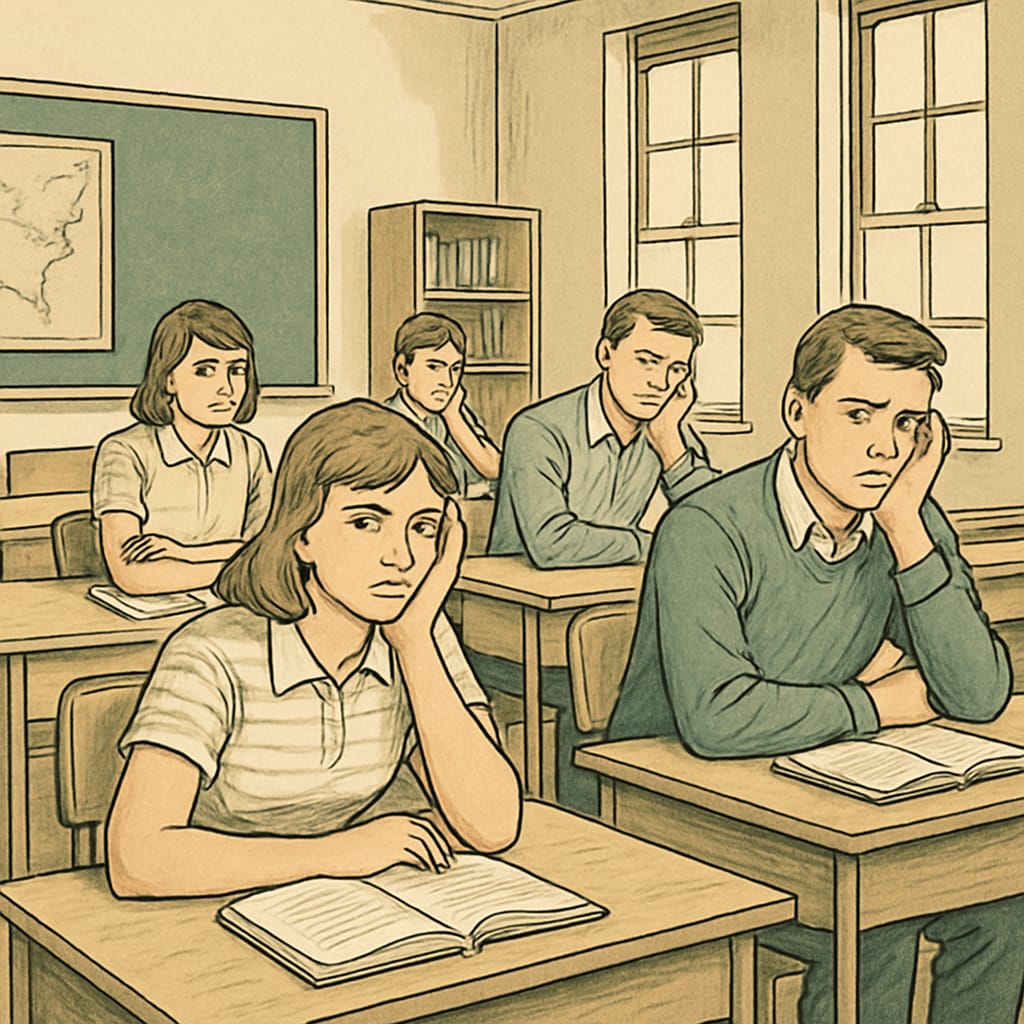
The Global Impact of Student Boredom
Student boredom has profound consequences on both individual academic performance and broader educational systems. When learners disengage, their retention of knowledge decreases, leading to lower academic achievement and diminished motivation. Furthermore, boredom can negatively affect students’ emotional well-being, as prolonged disinterest in learning environments may contribute to feelings of frustration and anxiety.
From a systemic perspective, widespread boredom undermines the efficacy of education systems worldwide. As identified in education research, institutions that fail to adapt to students’ needs risk losing their ability to prepare learners for future challenges, leaving them under-equipped for higher education and the workforce. This necessitates a shift toward more dynamic teaching models to bridge the gap between educational content and learner expectations.
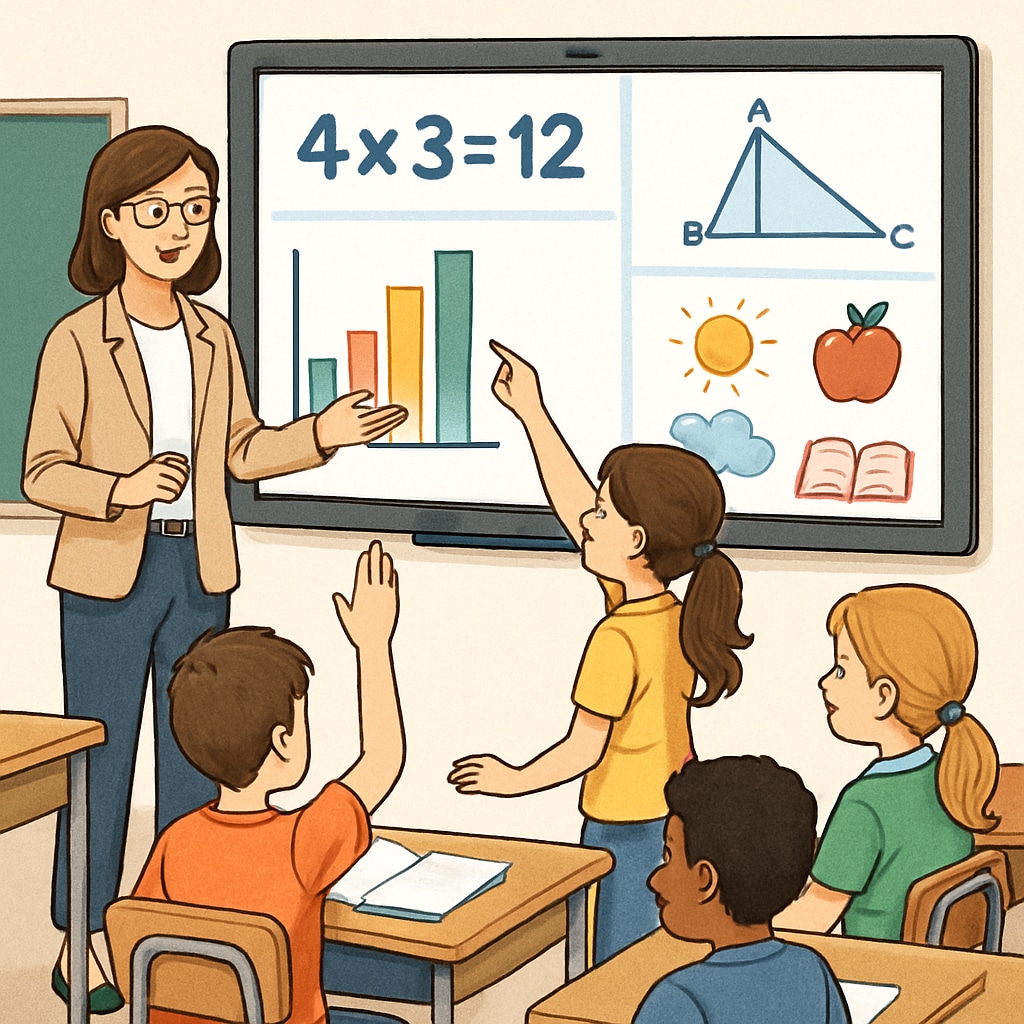
Solutions to Address Classroom Boredom
To combat boredom, educators can adopt several strategies to create more engaging and interactive learning environments. Key approaches include:
- Project-Based Learning: Encouraging students to work on real-world problems fosters collaboration and critical thinking, making lessons more relevant and stimulating.
- Gamification: Incorporating elements of games, such as rewards and challenges, can make learning more enjoyable and immersive.
- Technology Integration: Utilizing digital tools like virtual reality, educational apps, and interactive platforms helps students connect with content in new ways.
- Personalized Learning: Tailoring lessons to meet individual needs ensures students feel valued and supported in their academic journey.
In addition, professional development for teachers is crucial to equip them with the skills needed for modern classrooms. By fostering creativity and adaptability, educators can transform traditional teaching methods into dynamic experiences that resonate with students.
As a result, addressing student boredom is not merely about entertainment—it’s about cultivating curiosity and lifelong learning habits that benefit learners across the globe.
Conclusion: Moving Toward Engaged Classrooms
Student boredom, as revealed by cross-national data, is a universal challenge requiring urgent attention. Understanding its causes and impacts is critical to reshaping education systems toward more engaging and effective practices. By implementing innovative teaching methods, integrating technology, and personalizing learning experiences, educators can significantly reduce boredom and foster environments where students thrive.
Ultimately, the goal should be to inspire curiosity and encourage active participation, ensuring that classrooms become spaces of discovery and growth rather than monotony and disengagement.
Readability guidance: Short paragraphs and lists emphasize key points, while overuse of passive voice is avoided. Transition words like “however,” “therefore,” and “as a result” are evenly distributed to enhance flow. Images are aligned with the text to provide visual context.