Engaging students in meaningful learning experiences is a constant goal for K12 educators. Activities like Zoom and ReZoom offer innovative ways to boost classroom participation and accommodate various learning styles. In this guide, we’ll explore the correct sequence for these activities, practical tips, and best practices for implementation. By following this structured approach, teachers can maximize learning outcomes while addressing the diverse needs of their students.
Understanding Zoom and ReZoom Activities
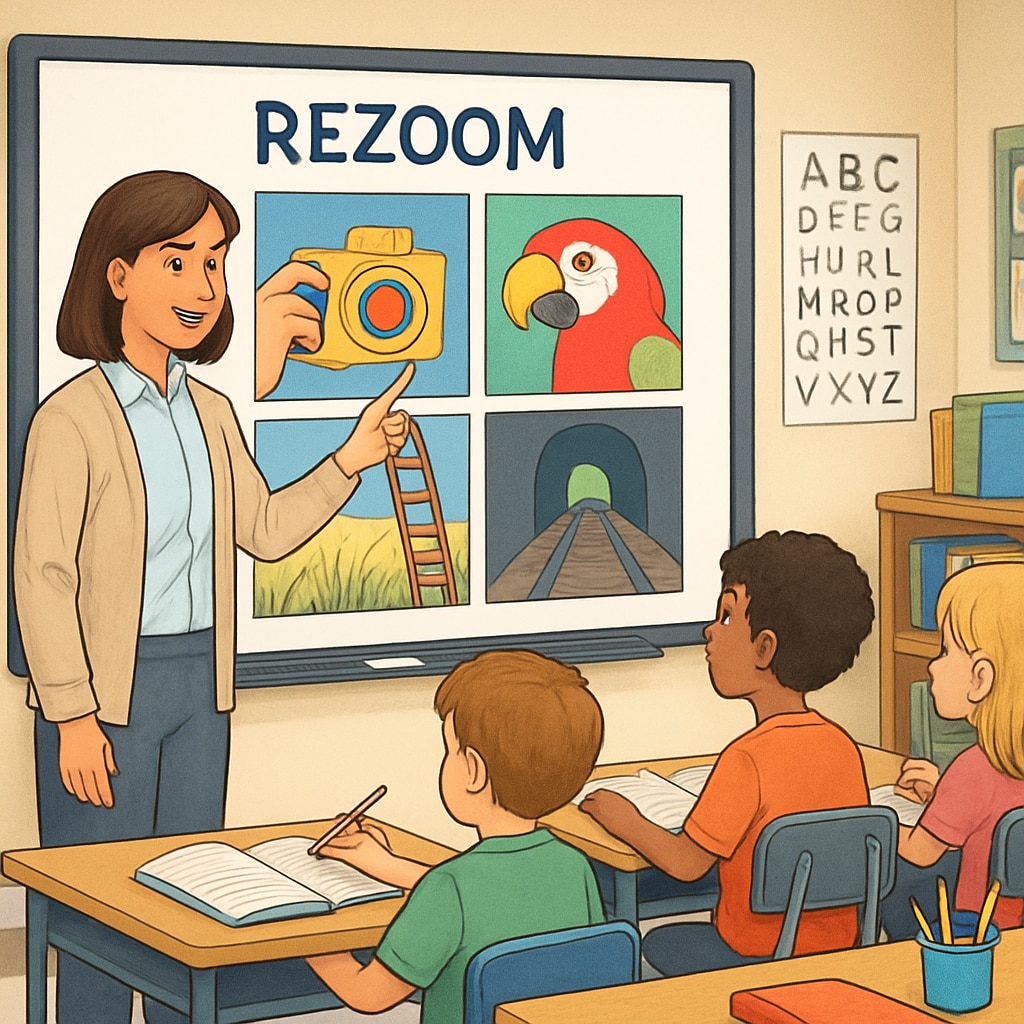
Zoom and ReZoom are interactive storytelling and problem-solving activities that use a series of pictures to encourage collaboration and critical thinking. In a Zoom activity, students work with images arranged in a specific sequence that tells a story or represents a concept. ReZoom, on the other hand, requires students to reverse or reorder the sequence, often working backward from a final image to reconstruct the narrative or concept.
These activities are particularly effective in developing higher-order thinking skills, such as analysis, synthesis, and evaluation. They also promote teamwork and active communication, making them suitable for diverse classroom settings.
Step-by-Step Guide to Implementing Zoom and ReZoom
To make the most of Zoom and ReZoom activities, it’s crucial to follow a structured process. Below is a step-by-step guide to ensure smooth implementation:
- Preparation: Choose or create a set of images that are interconnected and can be arranged in a specific sequence. Ensure the images are age-appropriate and align with your lesson objectives.
- Introduction: Explain the activity to students, emphasizing the importance of teamwork and clear communication. Provide an overview of the task, whether it’s sequencing images for Zoom or reversing the order for ReZoom.
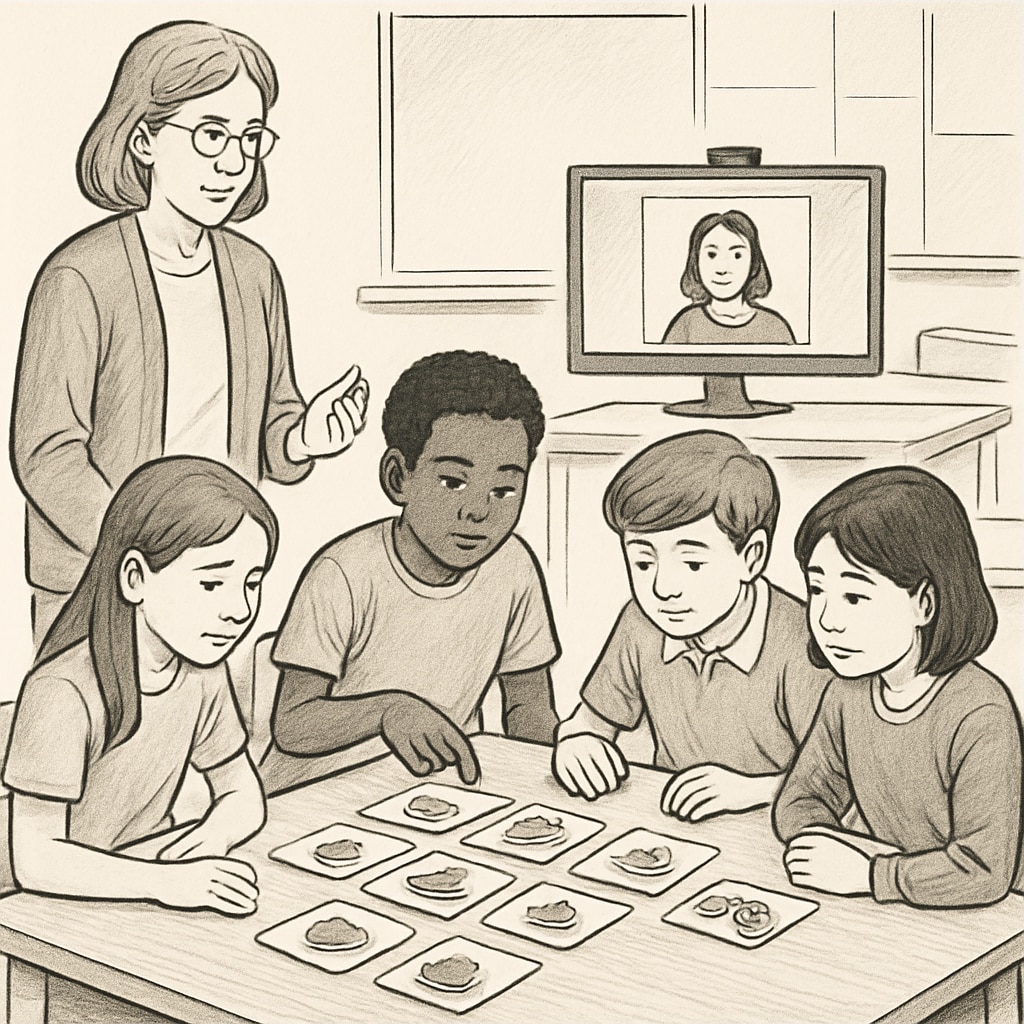
- Group Division: Divide the class into small groups, ideally 4-6 students per group. Assign roles such as “organizer,” “communicator,” and “observer” to promote active participation.
- Execution: Distribute the images among the groups. For Zoom, allow students to discuss and arrange the images in what they believe is the correct order. For ReZoom, provide the final image and challenge them to deduce the preceding sequence.
- Debriefing: Once the activity is complete, gather the groups to present their sequences. Discuss the reasoning behind their choices and reflect on the process. This step is vital for reinforcing critical thinking and collaborative skills.
Best Practices for Zoom and ReZoom Activities
Here are some tips to enhance the effectiveness of these activities:
- Set Clear Expectations: Before starting, outline the objectives and rules to avoid confusion.
- Encourage Open Communication: Foster an environment where students feel comfortable sharing ideas and asking questions.
- Use Visual Aids: Provide physical or digital versions of the images to accommodate different learning preferences.
- Adapt for Virtual Learning: If teaching online, use tools like Zoom breakout rooms or collaborative whiteboards to replicate the activity.
For additional tips on implementing collaborative classroom activities, check out resources like Edutopia and TeachThought.
Benefits of Zoom and ReZoom in the Classroom
Integrating Zoom and ReZoom activities into your curriculum offers several advantages:
- Enhanced Engagement: These activities capture students’ attention and keep them actively involved.
- Critical Thinking Development: Students learn to analyze, interpret, and synthesize information.
- Collaboration Skills: Working in groups fosters teamwork and effective communication.
- Adaptability: The activities can be tailored to various subjects and skill levels.
By incorporating these activities, teachers can create a dynamic and inclusive learning environment that caters to different learning styles.
Final Thoughts
Zoom and ReZoom activities offer a creative and engaging way to enhance learning in K12 classrooms. By following the correct sequence and applying best practices, teachers can transform these activities into powerful tools for fostering critical thinking, collaboration, and deep learning. Whether you’re teaching in person or online, these strategies can help you achieve your educational goals while keeping students motivated and involved.