


Across the globe, a startling educational trend has come to light: students, regardless of their location, culture, or socioeconomic background, are reporting high levels of boredom in classrooms. From the bustling schools of London to remote classrooms in Senegal, research highlights a systemic issue that transcends borders. This phenomenon of widespread student disengagement demands urgent attention, as its implications stretch far beyond academic performance. By examining cross-national data, exploring potential causes, and proposing actionable solutions, we can better understand and address the underlying factors fueling this educational crisis.
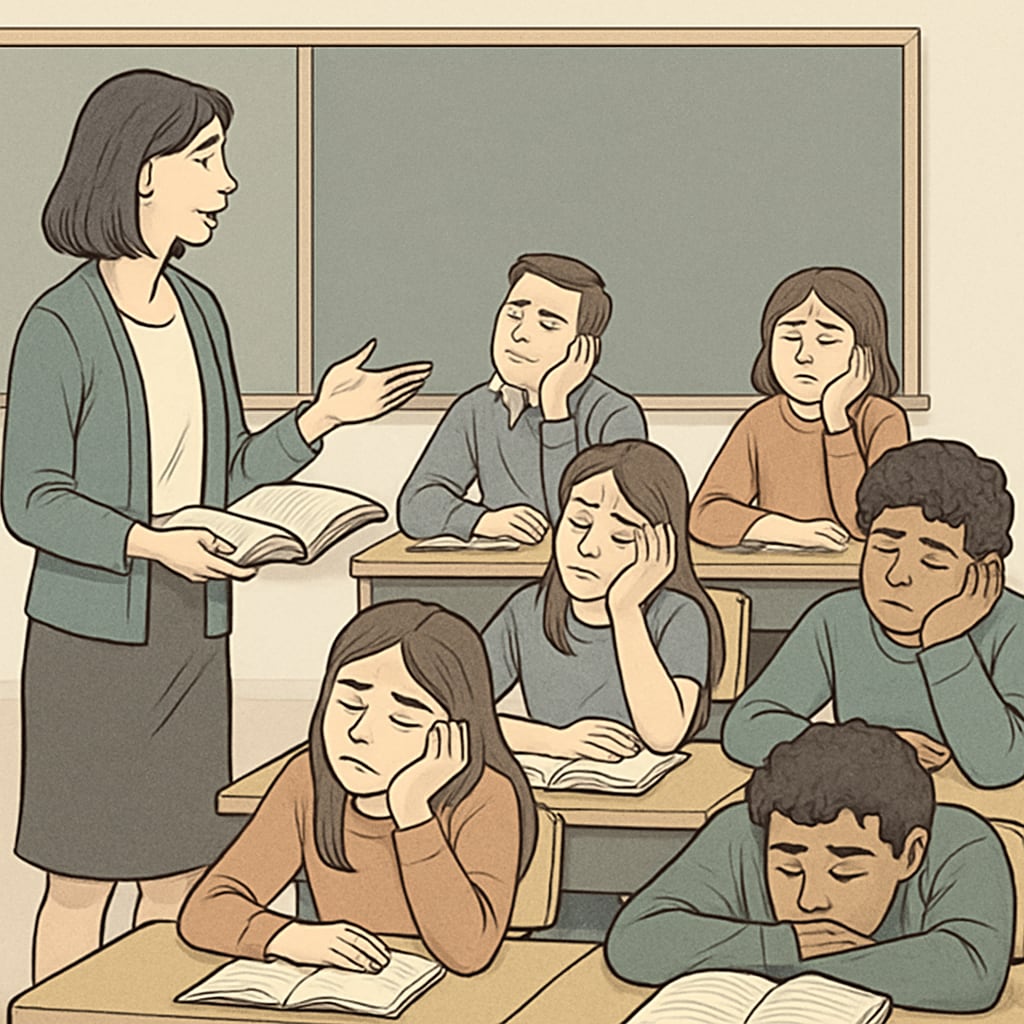
Understanding the Scope of Student Boredom
Recent studies have painted a worrying picture of student boredom as a global issue. For example, a survey conducted by the Programme for International Student Assessment (PISA) revealed that nearly 60% of students across participating countries reported feeling unmotivated or bored during class. This trend is not confined to one region; it has been observed in both highly developed nations, such as the United States and the United Kingdom, and developing countries, including India and Nigeria.
Experts believe that boredom in classrooms stems from several common factors:
- Outdated Teaching Methods: Many educators continue to rely on traditional lecture-based approaches, which fail to engage students who prefer interactive or hands-on learning experiences.
- Curriculum Irrelevance: Students often struggle to see the connection between their studies and real-world applications, leading to a lack of interest.
- Overemphasis on Standardized Testing: The focus on test preparation can make learning feel rigid and uninspiring.
To explore these causes further, the global education community must shift its focus from rote learning to fostering curiosity and engagement.
The Impacts of Classroom Boredom
The effects of boredom in education extend far beyond academic achievement. When students are disengaged, they are more likely to experience emotional and psychological consequences, such as increased stress, anxiety, and a lack of confidence in their abilities. Additionally, boredom can lead to higher dropout rates, particularly in regions where education is already underfunded or undervalued.
Moreover, the economic implications cannot be ignored. According to a report by the World Bank, poorly engaged students often enter the workforce with diminished critical thinking and problem-solving skills, which could stifle innovation and productivity at a national level.
As a result of these widespread impacts, addressing student boredom is not just an educational priority but a societal one.
Solutions to Combat Classroom Boredom
While the problem is complex, several strategies have proven effective in reducing boredom and fostering student engagement:
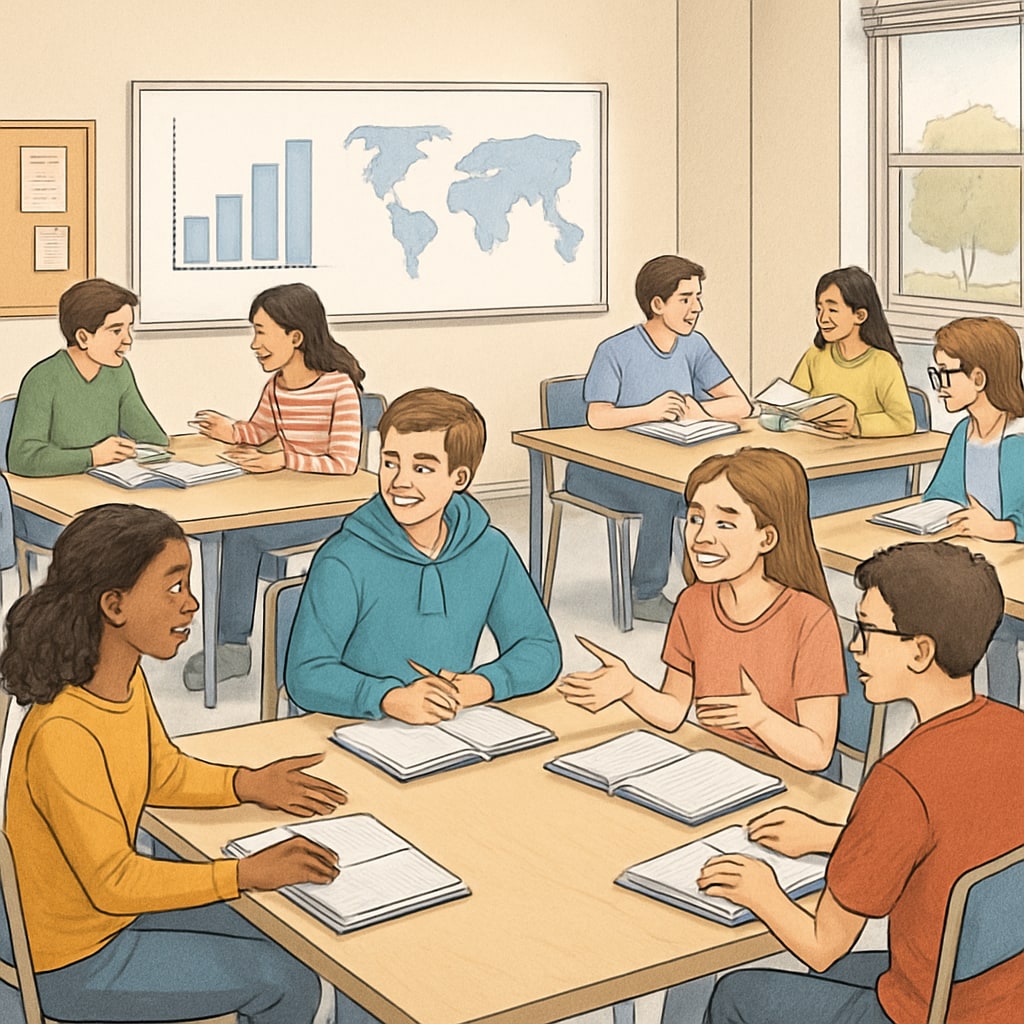
- Adopting Interactive Teaching Methods: Techniques such as project-based learning and gamification (using game-like elements in non-game contexts) can make lessons more engaging.
- Personalizing Education: Tailoring curriculum to individual student interests and strengths can improve motivation and focus.
- Incorporating Technology: Digital tools like educational apps and multimedia presentations can bring subjects to life for tech-savvy students.
- Focusing on Real-World Applications: Demonstrating how classroom knowledge applies to everyday life or future careers can help students see the value in their studies.
Countries like Finland have successfully implemented many of these strategies, resulting in higher levels of student satisfaction and academic performance. For more insights into Finland’s progressive education model, visit Education in Finland on Britannica.
However, implementing these solutions requires investments in teacher training, curriculum development, and technological infrastructure—resources that may be limited in underprivileged regions. Organizations like UNESCO are actively working to bridge these gaps. Learn more about their educational initiatives here on UNESCO’s website.
Conclusion: The Path Forward
Student boredom, driven by outdated teaching methods, rigid curricula, and a lack of engagement, poses a significant challenge to education systems worldwide. Addressing this issue requires collaboration across governments, educators, and communities to implement innovative teaching practices and enhance school environments. By prioritizing student engagement, we can transform classrooms from sources of frustration into centers of inspiration and growth.
As educators and policymakers continue to grapple with this universal issue, the solutions we pursue today will shape the leaders and thinkers of tomorrow. Tackling student boredom is not just an educational reform—it is a global responsibility.

