In classrooms worldwide, student boredom has become an increasingly recognized challenge. Studies across various countries reveal that boredom—often dismissed as a minor distraction—represents a significant issue that affects student engagement, academic performance, and overall learning experiences. This article explores the prevalence of boredom in K12 education, examines its evolution across grade levels, and considers its implications for educators and policymakers. Through a lens of cross-cultural research, we aim to uncover actionable insights to make learning environments more dynamic and effective.
The Universal Nature of Student Boredom
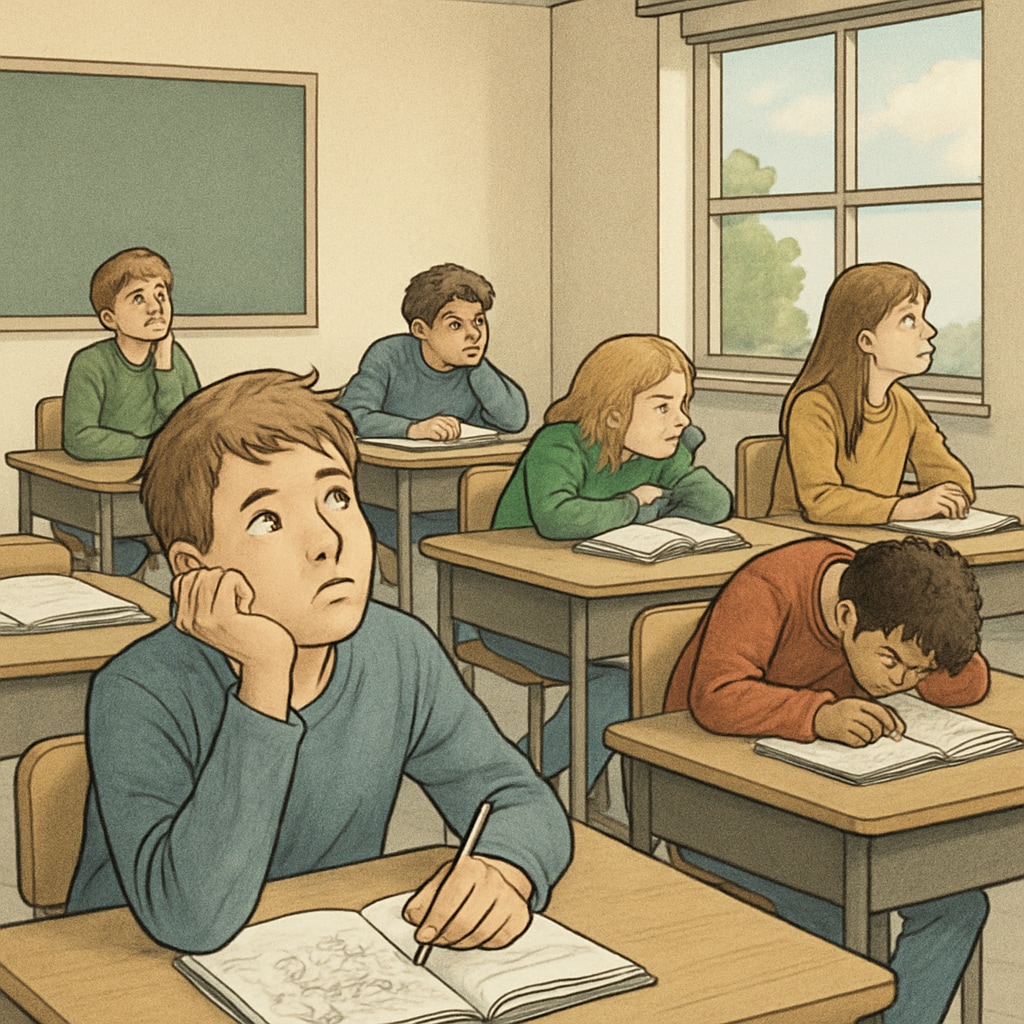
Boredom in classrooms is not confined to any single country or educational system. Research indicates that this phenomenon is widespread, affecting students regardless of their cultural or socioeconomic backgrounds. For instance, a study published by the American Psychological Association found that over 40% of high school students in the United States reported feeling bored every day. Similarly, surveys from European and Asian countries show comparable trends, suggesting that student boredom is a universal issue.
Key factors contributing to boredom include monotonous teaching methods, a lack of connection between course material and real-world applications, and overly rigid curricula. As a result, students often disengage, leading to lower academic achievement and diminished motivation to learn.
How Boredom Evolves Across Grade Levels
Boredom is not static; it often evolves as students progress through their educational journey. In primary school, younger children generally exhibit higher levels of curiosity and enthusiasm for learning. However, as they transition to middle and high school, the novelty of education wears off, and boredom becomes more prevalent.
Several studies highlight this trend. For example, a longitudinal study conducted in Canada found that students’ reported levels of boredom increased significantly between grades 6 and 10. This shift is often attributed to the increasing complexity of academic content, standardized testing pressure, and a growing disconnect between students’ interests and the curriculum.
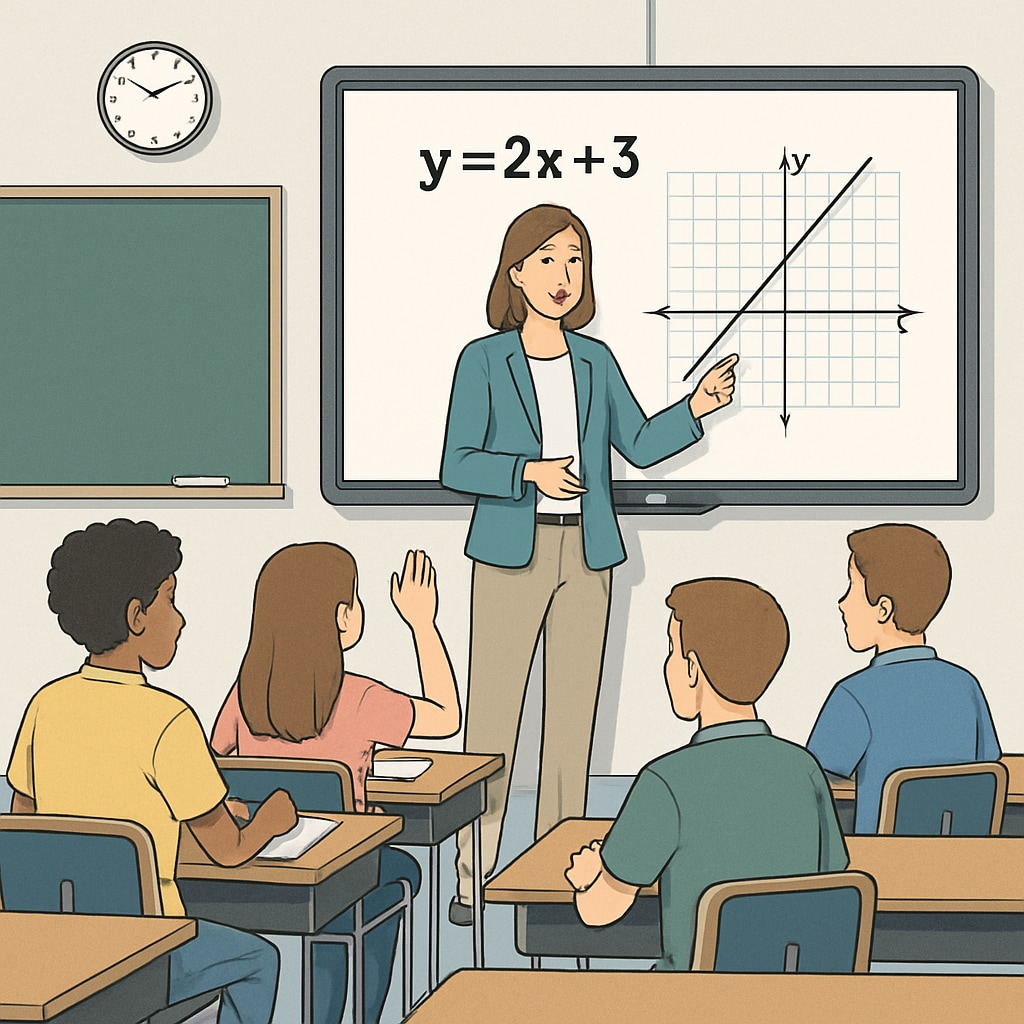
To mitigate this, educators must focus on creating more interactive and engaging learning environments. Incorporating project-based learning, gamification, and student-driven activities can help rekindle students’ interest and reduce boredom.
Implications for Educational Reform
The persistence of boredom in K12 education calls for systemic changes. Policymakers and educators must recognize that boredom is not merely a student problem but a structural issue within the education system. Addressing this challenge requires a multi-faceted approach:
- Revamping Curricula: Designing curricula that are more relevant to students’ lives and future careers can make learning more engaging.
- Training Teachers: Providing professional development opportunities to help teachers adopt innovative, student-centered teaching methods.
- Leveraging Technology: Integrating technology into classrooms can make lessons more interactive and relatable.
- Encouraging Feedback: Creating channels for students to share feedback on teaching methods and course content can help tailor education to their needs.
Moreover, cross-cultural studies offer valuable insights. For instance, Finland’s education system, known for its emphasis on student well-being and minimal standardized testing, demonstrates lower levels of reported boredom among students. Adopting similar principles in other contexts could significantly improve engagement.
Conclusion: Turning Boredom into Opportunity
Student boredom is a pervasive issue that reflects deeper challenges within the K12 education system. However, it also presents an opportunity for reform and innovation. By understanding the causes and consequences of boredom—and drawing lessons from cross-cultural research—educators can design learning environments that inspire curiosity and foster meaningful engagement.
Ultimately, addressing boredom is not just about improving academic outcomes; it is about empowering students to enjoy the process of learning and equipping them with the skills they need to thrive in an ever-changing world.
Readability guidance: The article uses short paragraphs, clear headings, and lists to enhance readability. Transitions like “however,” “in addition,” and “for example” are used to improve flow. Active voice is prioritized to maintain engagement.