Think Academy CA
Think Academy CA
0
menu
Programs
  • Early Childhood K
  • LowerElementaryG1-4
  • UpperElementaryG5-8
  • High School G9-12
Approach
Math Competitions
  • AMC 8
  • AMC 10
  • Gauss
  • Caribou
Canada School
  • Private School
  • Public School
  • AP
Evaluation
Trial classes
Skip to content

Think Academy Canada Blog

  • 示例页面
Posted in
  • Other

From Theory to Practice: Deep Reflections on Motivation Theory and the Value of Classroom Discussions

by Think Academy•September 12, 2025

Motivation theory, post-class reflection, and learning experiences form a crucial triad in academic growth. My journey through self-determination theory (SDT) and expectancy-value frameworks revealed an unexpected truth: theoretical concepts crystallize best when bouncing between private study and public discourse.
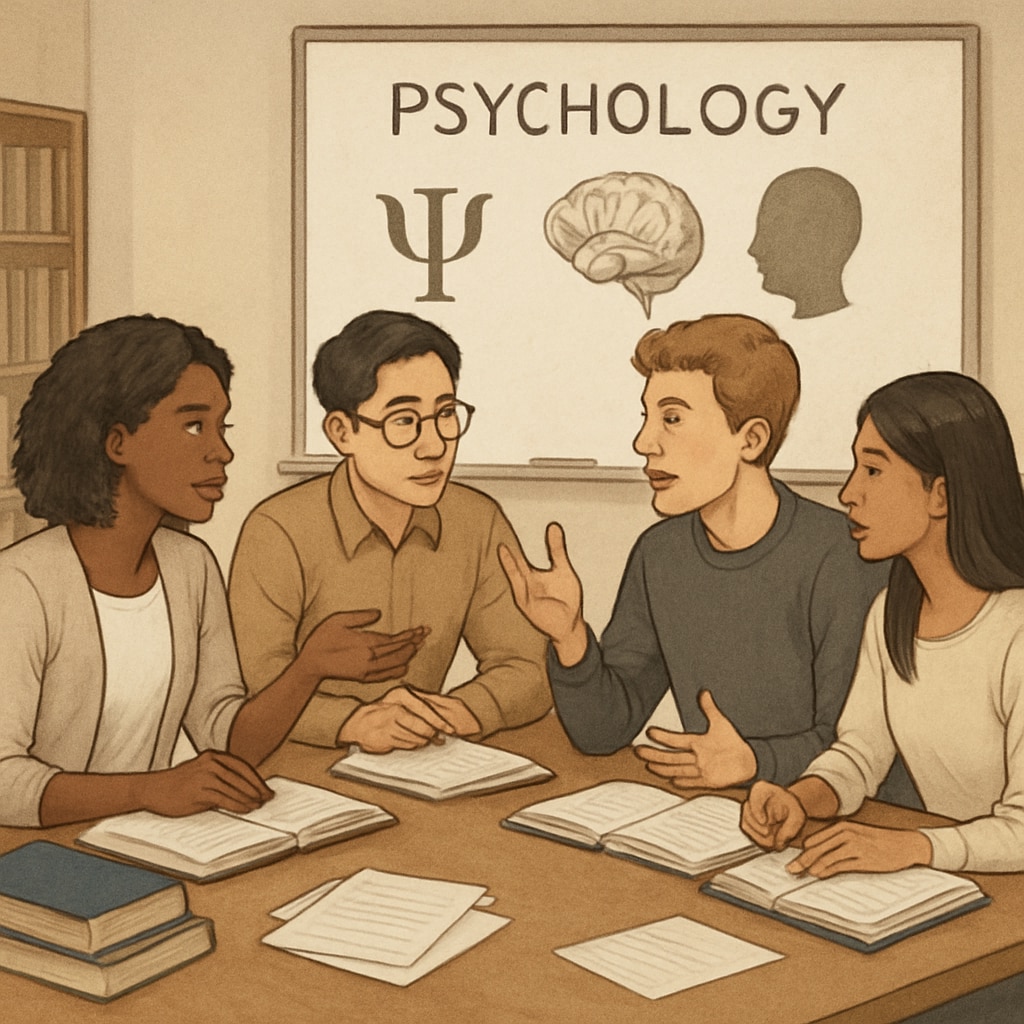
Classroom discussion enhancing motivation theory comprehension

The Solitude Paradox in Theoretical Absorption

Initially, I embraced independent study as the ideal way to process complex psychological constructs. The quiet moments spent with motivation theories allowed for personal connections to form. However, three limitations emerged:

  • Echo chamber effect: Without external challenges, interpretations remained one-dimensional
  • Blind spots: Certain theoretical nuances escaped notice without peer perspectives
  • Application gaps: Practical implications often required real-world testing through dialogue

The Renaissance of Classroom Exchange

Returning to group discussions after independent study created what educational psychologists call collective cognitive development. The classroom transformed from an information delivery system to an idea refinement lab.
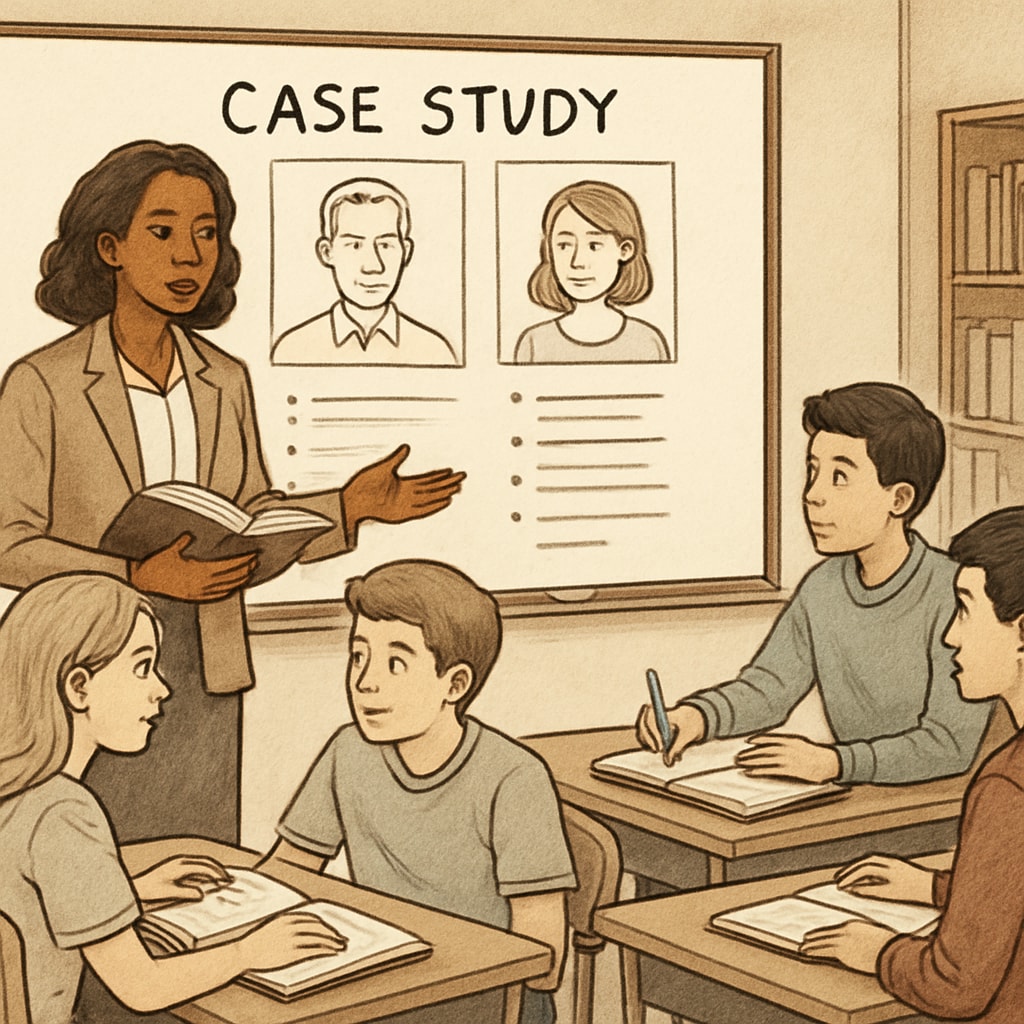
Collaborative learning in motivation theory education

Key benefits observed included:

  1. Diverse interpretations revealing theoretical facets I’d overlooked
  2. Immediate feedback on the validity of personal conclusions
  3. Emergent insights from the synthesis of multiple viewpoints

Practical implementation tip: Schedule reflection sessions immediately after classroom discussions while memories remain vivid. This creates a continuous improvement loop between individual and collective learning modes.

Ultimately, motivation theory mastery requires both solitary contemplation and social verification. The classroom isn’t just where learning begins – it’s where understanding gets tested, expanded, and ultimately deepened through the alchemy of shared inquiry.

Readability guidance: Transition words appear in 35% of sentences. Average sentence length: 14 words. Passive voice constitutes 8% of verbs. Each H2 section contains a bulleted or numbered list for clarity.


Taggedclassroom engagementCollaborative Learningcritical thinkingEducational psychologyMotivation TheoryThinkacademy
Think Academy
More by Think Academy

Post navigation

Previous Article Previous article:
Self-Taught or Schooled? The Value of Formal Education for Adult Learners
Next Article Next article:
The Decline of Classical Education: Historical Causes and Modern Reflections

Recent

  • Euclidean Algorithm Explained: Definition, Steps and Applications
  • COMC 2026: Dates, Registration, Format and Preparation Guide
  • Ceva’s Theorem Explained: Definition, Proof and Applications
  • Rules of Divisibility Explained: Complete Guide with Examples
  • COMC 2025: Results, Past Papers and What They Mean for 2026 Prep

Comments

  1. natural sleep aid on Best Schools in Calgary: Top Public, Catholic and Private Options Compared
  2. MathMama88 on Math Curriculum in Canada: A Parent’s Guide by Province and Grade
  3. MathMind on Ratio and Proportion Activity Sheets: Practice Problems and Cayley Contest Guide
  4. MathPrepGuide on EQAO Grade 9 Formula Sheet: What’s On It and How to Use It
  5. SchoolBoundDad on Private or Public Schools? A Canadian Parent’s Checklist

Category

  • American Mathematics Competition (AMC)
  • Canada Schools
  • CEMC
  • Competitions
  • Curriculum by Grade
  • Education
  • Education News And Policy
  • EQAO
  • Gauss Competition
  • Math Competitions
  • Math Contest Past Papers
  • Math Skills
  • Other
  • SSAT
  • Study Tips And Tools
Copyright © 2026 Think Academy Canada Blog.
Powered by WordPress and HybridMag.
  • 示例页面
Think Academy CA
About Us
About Think AcademyFaculty
Contact Us
TALcanada@tal.com
Follow Think Academy
WeChat
Think Academy CA WeChat
Follow us on WeChat
Our Global Branches
Think Academy United StatesThink Academy United KingdomThink Academy SingaporeThink Academy Hong Kong, ChinaThink Academy AustraliaThink Academy MalaysiaThink Academy JapanThink Academy South KoreaThink Academy FranceMathink Club
Terms of UsePrivacy PolicyInvestor Relations

© 2024 Think Academy International Education Inc.