


Effective classroom engagement is crucial for fostering deeper learning and catering to diverse student needs. Activities like Zoom and ReZoom, when implemented correctly, can ensure students not only participate actively but also develop critical thinking and collaboration skills. In this guide, we provide K12 teachers with the proper sequence for these activities, along with practical tips and strategies. With the right approach, you can optimize your classroom flow while addressing the needs of all learning styles.
Understanding Zoom and ReZoom Activities
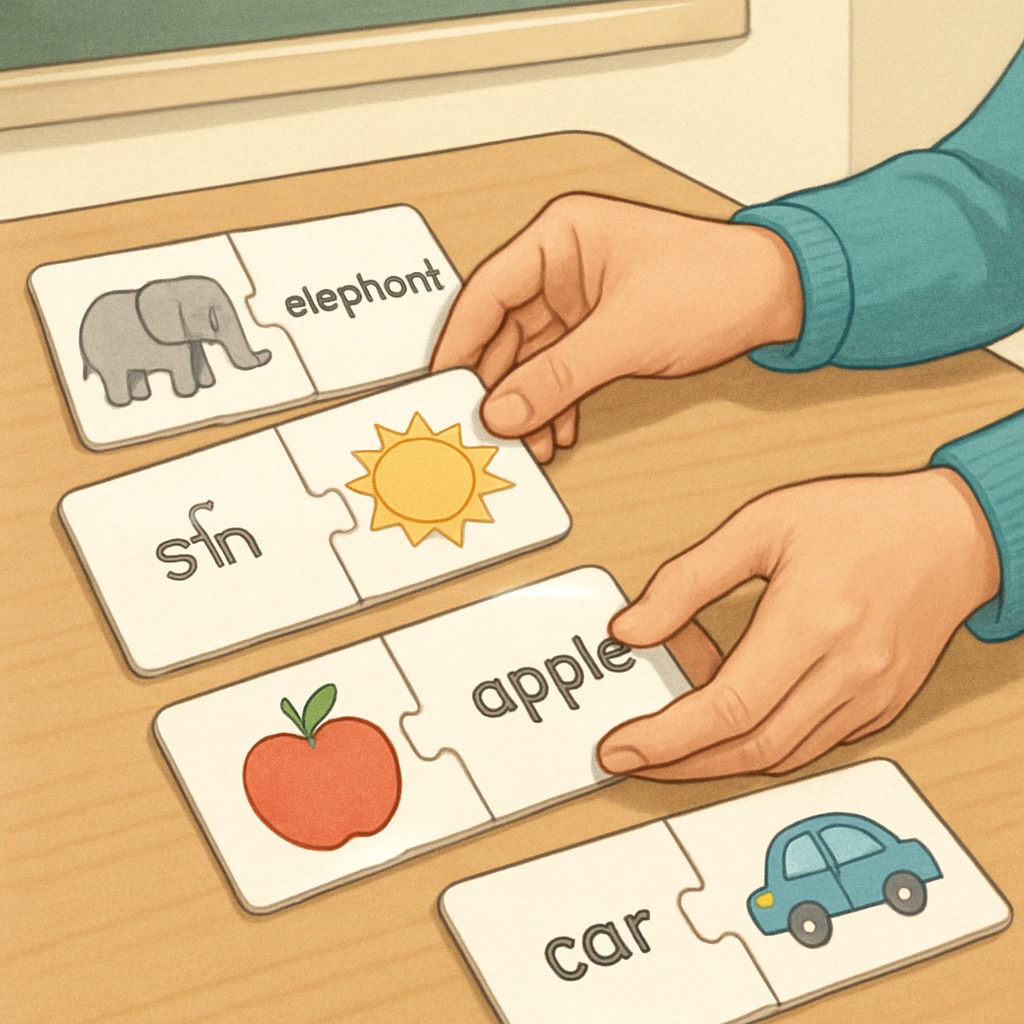
Before diving into implementation, let’s clarify what Zoom and ReZoom activities are. Both are visual storytelling exercises designed to improve communication, teamwork, and problem-solving skills. They rely on a set of sequential images, often featuring abstract or zoomed-in views, requiring students to arrange them in the correct order.
Zoom focuses on a set of images that progressively zoom out, creating a broader context as the sequence unfolds. ReZoom, on the other hand, uses images that zoom in, encouraging students to think critically about details and how they contribute to the bigger picture.
Step-by-Step Guide: Correct Sequence for Zoom and ReZoom
To achieve the best outcomes, it’s essential to follow a structured approach. Here is a step-by-step guide to implementing these activities:
- Preparation: Choose a set of Zoom or ReZoom cards. Ensure they are age-appropriate and align with your lesson objectives. Print or distribute digital versions of the cards.
- Introduction: Briefly explain the activity to your students. Highlight the purpose, whether it’s about understanding details (ReZoom) or the bigger picture (Zoom).
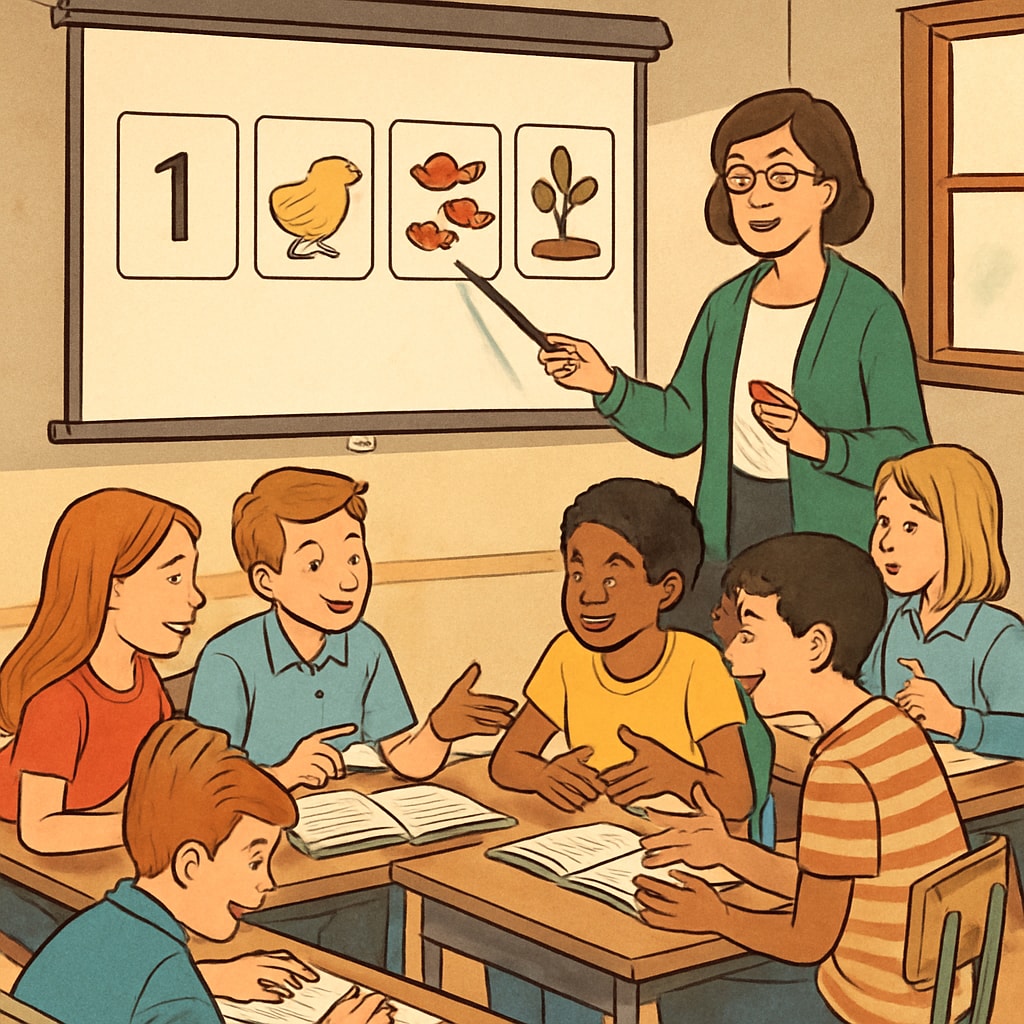
- Distribution: Divide the class into small groups of 4–6 students. Provide each group with a shuffled set of cards.
- Collaboration: Allow students to discuss and collaborate. Encourage them to use verbal reasoning to justify their choices while arranging the cards.
- Reflection: Once completed, have each group present their sequence. Discuss the reasoning behind their order and compare it with the correct sequence.
- Debrief: Conclude the activity by reflecting on the challenges and insights gained. Emphasize how the exercise develops teamwork and critical thinking.
Practical Tips for Engaging Zoom and ReZoom Lessons
Here are some additional tips to make your Zoom and ReZoom activities more effective:
- Time Management: Allocate a specific time for each phase of the activity to maintain the classroom flow.
- Inclusive Participation: Ensure that every student in the group has a role, such as discussing, arranging, or presenting.
- Use Visual Aids: If possible, project the images onto a screen to facilitate discussion and engagement.
- Adaptability: For younger students, use simpler images or reduce the number of cards. For older students, increase the complexity or add a storytelling element.
Benefits of Zoom and ReZoom Activities
When executed effectively, Zoom and ReZoom activities offer a range of benefits:
- Enhanced Collaboration: Students learn to work together, share ideas, and respect different perspectives.
- Critical Thinking: The sequence arrangement encourages logical reasoning and attention to detail.
- Adaptable Learning: These activities can be tailored to various subjects, from storytelling in language arts to exploring scientific processes.
For additional information on cooperative learning, visit Cooperative Learning on Wikipedia. To explore the cognitive science behind sequencing activities, refer to Cognitive Learning on Britannica.
Final Thoughts
Incorporating Zoom and ReZoom activities into your classroom can transform the learning experience. By following the correct sequence and applying the tips provided, you can engage students more effectively, enhance their critical thinking skills, and foster a collaborative environment. Start small, refine your approach based on student feedback, and enjoy the creativity and interaction these activities bring to your teaching arsenal.

