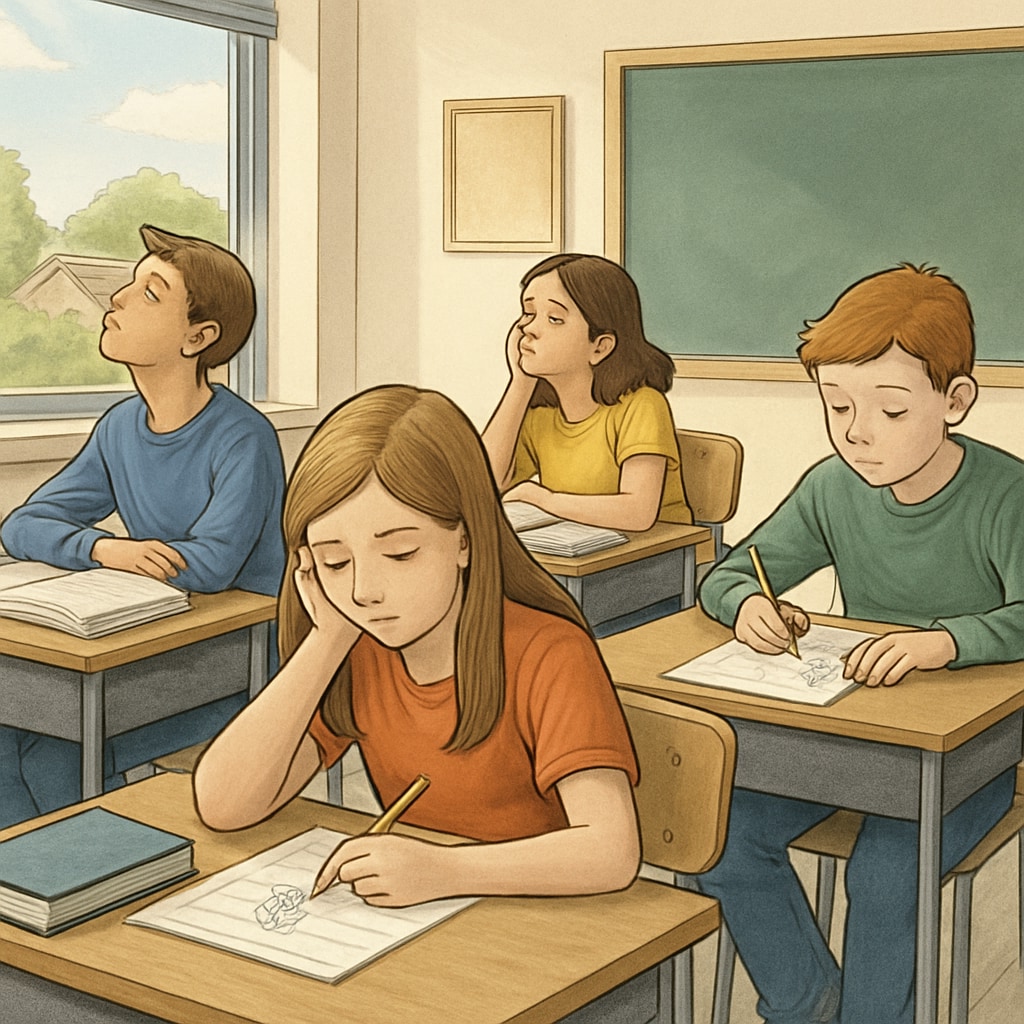
Across the globe, students in K12 education environments often report feeling bored during their school lessons, a phenomenon highlighted by recent cross-national research. While boredom might seem trivial compared to other issues in education, it can significantly impact both academic performance and emotional well-being. This article delves into the causes of boredom in classrooms, its far-reaching effects, and strategies to mitigate this silent yet pervasive issue.
Why Is Boredom So Common in Educational Settings?
Boredom in classrooms is not a new phenomenon, but its prevalence has increased as shown in numerous studies. According to research published by global institutions like the OECD, boredom stems from multiple factors:
- Lack of engagement: Teaching methods often fail to captivate students, relying heavily on rote memorization rather than interactive learning.
- Misalignment of difficulty: Classwork may be too easy or too difficult, leaving students unchallenged or frustrated.
- Overloaded schedules: Standardized curriculums can overwhelm students, leaving little room for creativity or personalized exploration.
- Digital distractions: The rise of smartphones and entertainment apps often outcompetes traditional classroom activities for attention.
The Impact of Boredom: Academic and Emotional Consequences
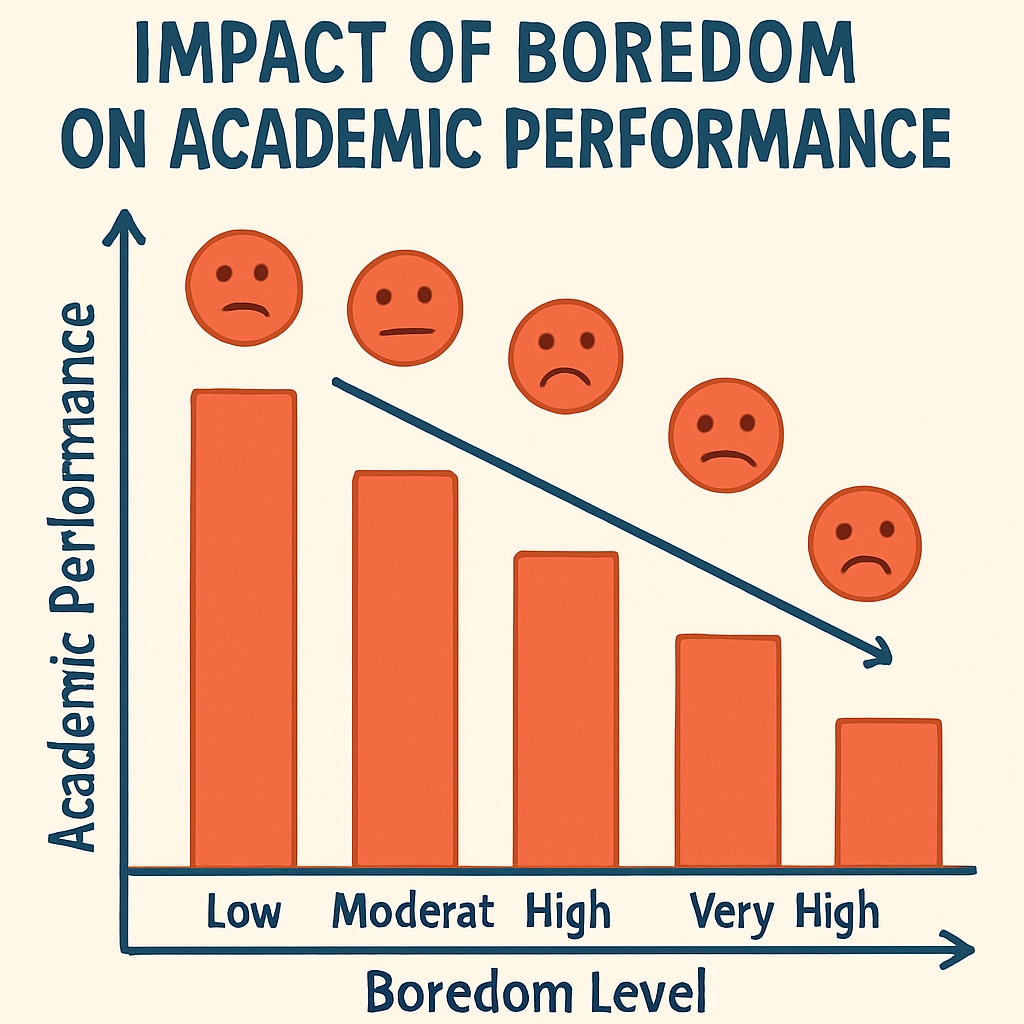
Boredom doesn’t just affect classroom behavior—it can have long-term consequences for students. For instance, a study conducted by OECD suggests that disengagement caused by boredom correlates with lower test scores and reduced interest in learning altogether. Additionally, prolonged feelings of boredom can lead to:
- Reduced motivation: Students may lose passion for subjects they initially found interesting.
- Increased stress: A lack of focus can result in falling behind academically, creating anxiety.
- Behavioral issues: Bored students are more likely to act out or disengage from the classroom environment entirely.
- Mental health risks: Persistent boredom is linked to feelings of apathy and even depression.
Addressing Boredom: Practical Solutions for Educators
To combat boredom, educators and policymakers must focus on creating more engaging, personalized, and interactive learning environments. Below are several strategies supported by educational experts:
- Interactive teaching: Incorporate group projects, hands-on activities, and technology-based tools to maintain student interest.
- Flexible curriculums: Allow students to explore topics they are passionate about, promoting intrinsic motivation.
- Enhanced teacher training: Equip educators with skills to identify and address disengagement in real-time.
- Use of gamification: Introduce game-like elements into lessons to make learning more dynamic and rewarding.
In addition, fostering open communication with students can reveal the root causes of their disengagement. For example, holding anonymous surveys or student-led discussions can provide valuable insights into preferred learning methods and areas for improvement.
Global Insights and the Path Forward
Studies conducted in diverse countries, including the United States, Finland, and Japan, show that addressing boredom requires a tailored approach based on cultural and systemic differences. For instance:
- In Finland, shorter school days and more breaks have shown to reduce disengagement significantly.
- Japanese schools emphasize collaborative learning and real-world problem-solving to maintain student interest.
- In the U.S., integrating technology to supplement traditional teaching methods has yielded positive results.
Ultimately, the solution lies in recognizing boredom as a legitimate barrier to learning rather than dismissing it as mere disinterest. By prioritizing a collaborative, student-focused approach, educators can transform classrooms into spaces of curiosity and growth.
Conclusion: Boredom in K12 education environments is more than a passing challenge—it’s a global issue affecting millions of students. By addressing its causes and implementing effective strategies, educators can create meaningful changes that foster both academic success and emotional well-being.