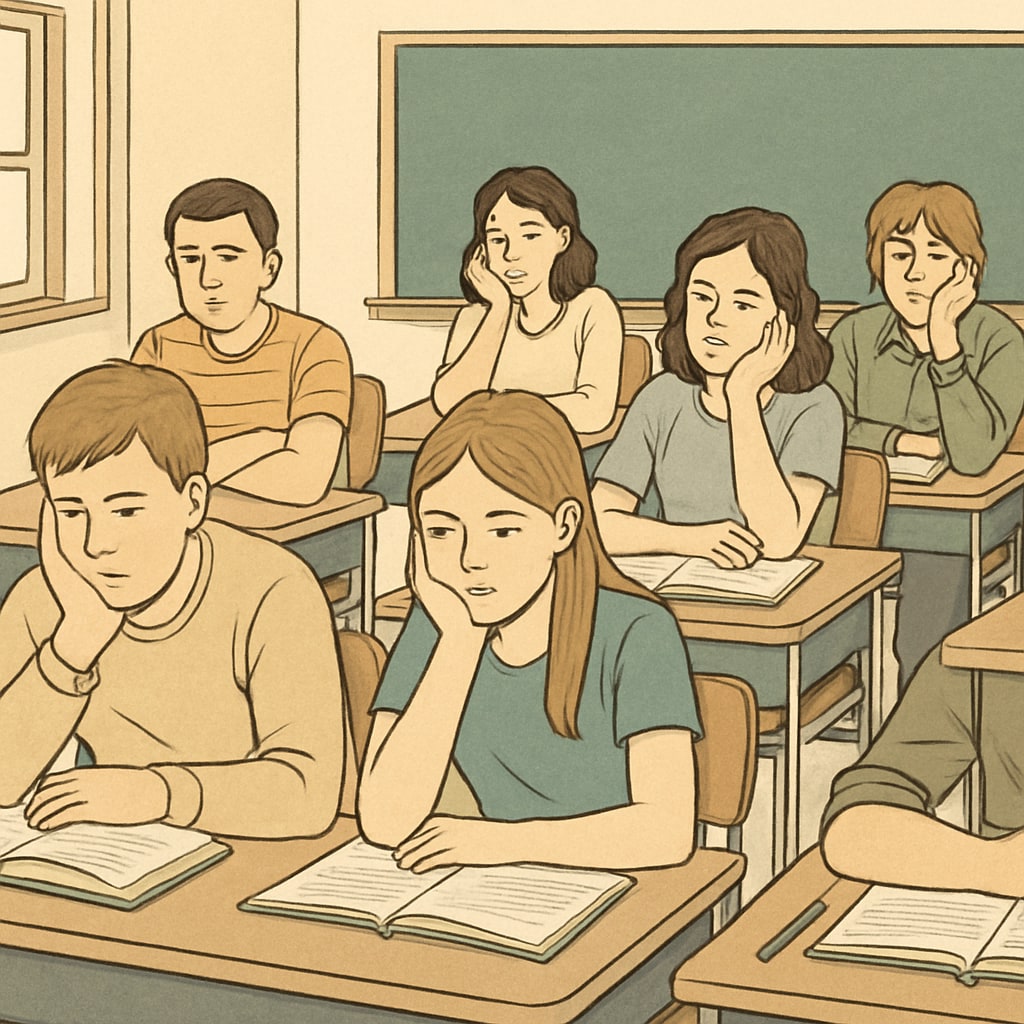
Boredom in the classroom is one of the most overlooked issues in K12 education. Across the globe, students frequently report feeling disengaged and uninterested during lessons, reflecting a widespread phenomenon that affects their learning experience. Various cross-cultural studies reveal that boredom levels tend to increase as students progress through grades, highlighting the urgent need for educational reform. This article delves into the causes, global trends, and potential solutions to address this critical issue.
Understanding Classroom Boredom: A Cross-Cultural Perspective
Boredom in education is not restricted to any single country or culture. Studies from the United States, Europe, and Asia consistently show that students in K12 classrooms feel bored for significant portions of their school day. For example, a 2017 survey in the United States found that nearly 75% of high school students reported feeling bored in at least one class daily (source). Similarly, research conducted in Germany highlighted that up to 50% of students found classroom activities monotonous (source).
Interestingly, the level of boredom often correlates with the grade level. Younger students in elementary schools tend to be more engaged, as their curriculum often includes hands-on and interactive activities. However, as students move to middle and high school, lessons frequently shift toward lecture-based teaching and standardized test preparation, leading to a decline in engagement. This trend is consistent across countries, indicating that boredom in education is a systemic issue that transcends cultural boundaries.
Why Do Students Feel Bored in K12 Classrooms?
To address boredom, it is essential to understand its root causes. Several factors contribute to this phenomenon:
- Repetitive Curriculum: Many students find the content repetitive and disconnected from real-world applications, reducing their interest in learning.
- Teacher-Centered Instruction: Over-reliance on lectures and lack of interactive teaching methods can make lessons feel monotonous.
- Standardized Testing Pressure: The focus on test preparation often limits creativity and flexibility in the classroom.
- Lack of Autonomy: Students frequently express a desire for more control over their learning process, which is rarely accommodated.
These factors are exacerbated by broader cultural and systemic issues, such as rigid educational structures and an emphasis on academic achievement over holistic development. Addressing these challenges requires a shift in teaching philosophies and practices to prioritize student engagement.
Potential Solutions to Combat Classroom Boredom
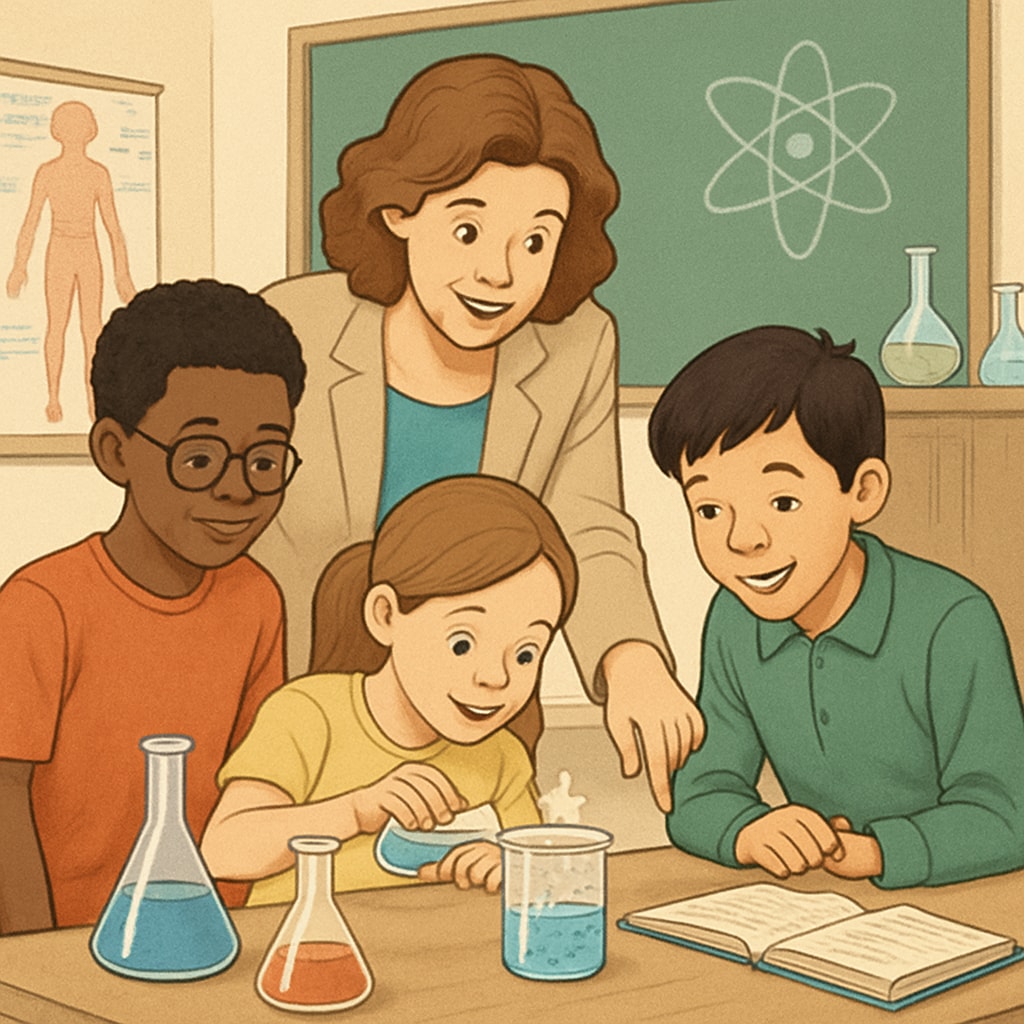
Although the issue of boredom in education is complex, several strategies have shown promise in reducing its prevalence:
- Integrating Technology: Utilizing digital tools, such as interactive apps and virtual reality, can make lessons more dynamic and engaging.
- Project-Based Learning: Encouraging students to work on real-world projects fosters creativity and connects classroom knowledge to practical applications.
- Flexible Curriculum Design: Allowing students to choose topics or methods of learning can increase their sense of autonomy and interest.
- Professional Development for Teachers: Training educators in active learning techniques can significantly enhance classroom engagement.
In addition, fostering a positive and inclusive learning environment is essential. When students feel emotionally supported and valued, they are more likely to participate actively in their education.
Rethinking Education: The Path Forward
The persistence of boredom in K12 classrooms indicates a need for systemic reform. Policymakers, educators, and parents must collaborate to create learning environments that prioritize student engagement. This includes re-evaluating standardized testing systems, diversifying teaching methods, and incorporating student feedback into curriculum design.
Ultimately, addressing classroom boredom is not just about improving test scores; it is about fostering a love of learning that students carry with them throughout their lives. By tackling this issue head-on, we can create an education system that truly meets the needs of all students.
Readability guidance: This article uses short paragraphs, clear headings, and lists to summarize key points. Active voice and transition words have been prioritized to enhance readability.