


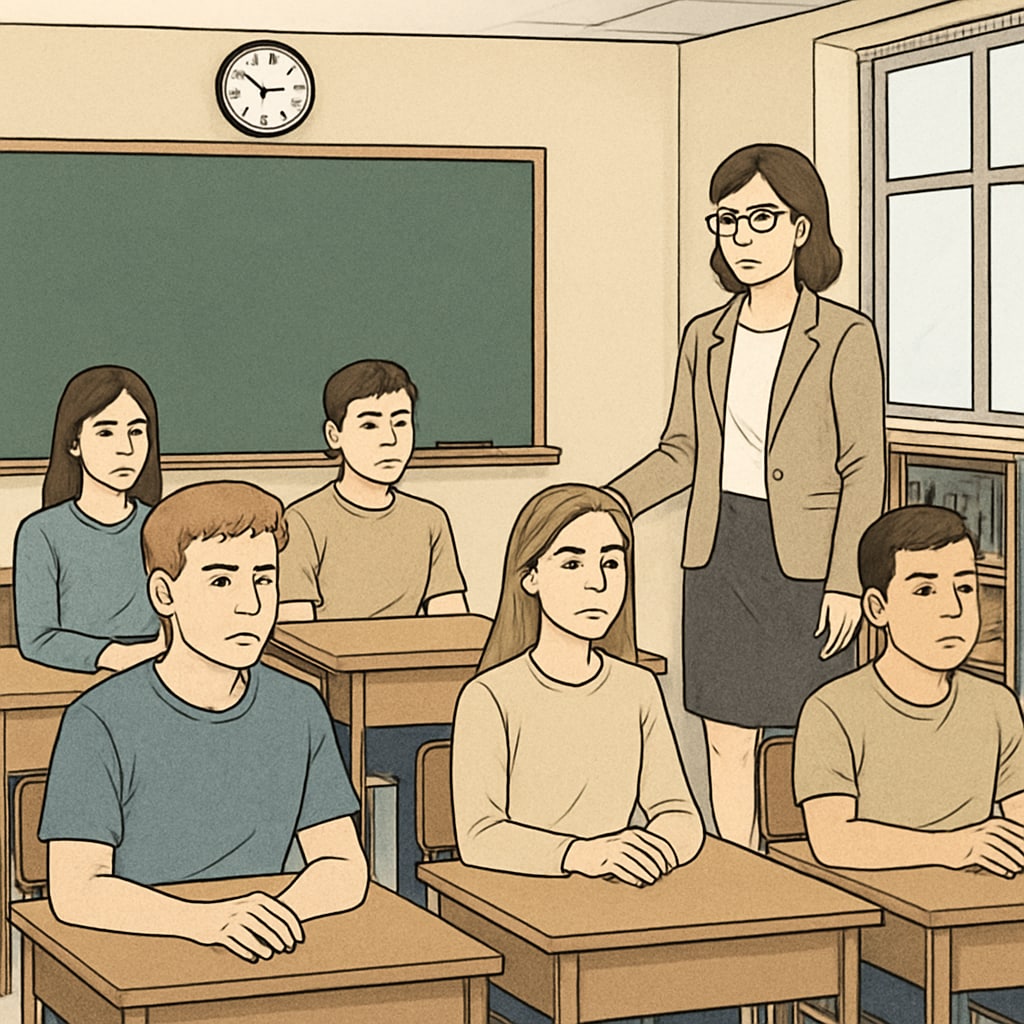
The phenomenon of “student boredom” in classrooms has become a growing concern across the globe. Studies have revealed that boredom in the education environment is not limited to one country or culture—it spans continents, from the United States to China, and from the United Kingdom to Senegal. This issue, though often overlooked, represents a significant barrier to effective learning. In this article, we will explore the key causes of student boredom, its implications on education, and actionable solutions to address this pervasive problem.
Why Are Students Bored in the Classroom?
Understanding why students feel disengaged is critical. Several factors contribute to the widespread boredom experienced in classrooms:
- Outdated Teaching Methods: In many educational systems, teachers rely heavily on lecture-based instruction, which often fails to capture the attention of modern students accustomed to interactive and visual content.
- Standardized Curricula: A one-size-fits-all approach to education leaves little room for creativity or adaptation, making it difficult to cater to diverse learning styles.
- Lack of Relevance: Many students struggle to see the connection between what they are learning and real-world applications, leading to disengagement.
- Overemphasis on Testing: The focus on standardized testing creates a high-pressure environment that stifles curiosity and creativity.
Research from the Britannica Education platform shows that these factors are not unique to any single country, highlighting the global nature of the issue.
The Global Impact of Classroom Boredom
Classroom boredom has far-reaching consequences that extend beyond individual academic performance. These include:
- Lower Academic Achievement: Students who are disengaged are less likely to absorb and retain information, leading to poorer grades and test scores.
- Increased Dropout Rates: Chronic boredom can lead to frustration and disinterest, causing some students to leave school prematurely.
- Wider Societal Implications: A disengaged student population could result in a workforce that lacks critical thinking and problem-solving skills, affecting economic and social development.
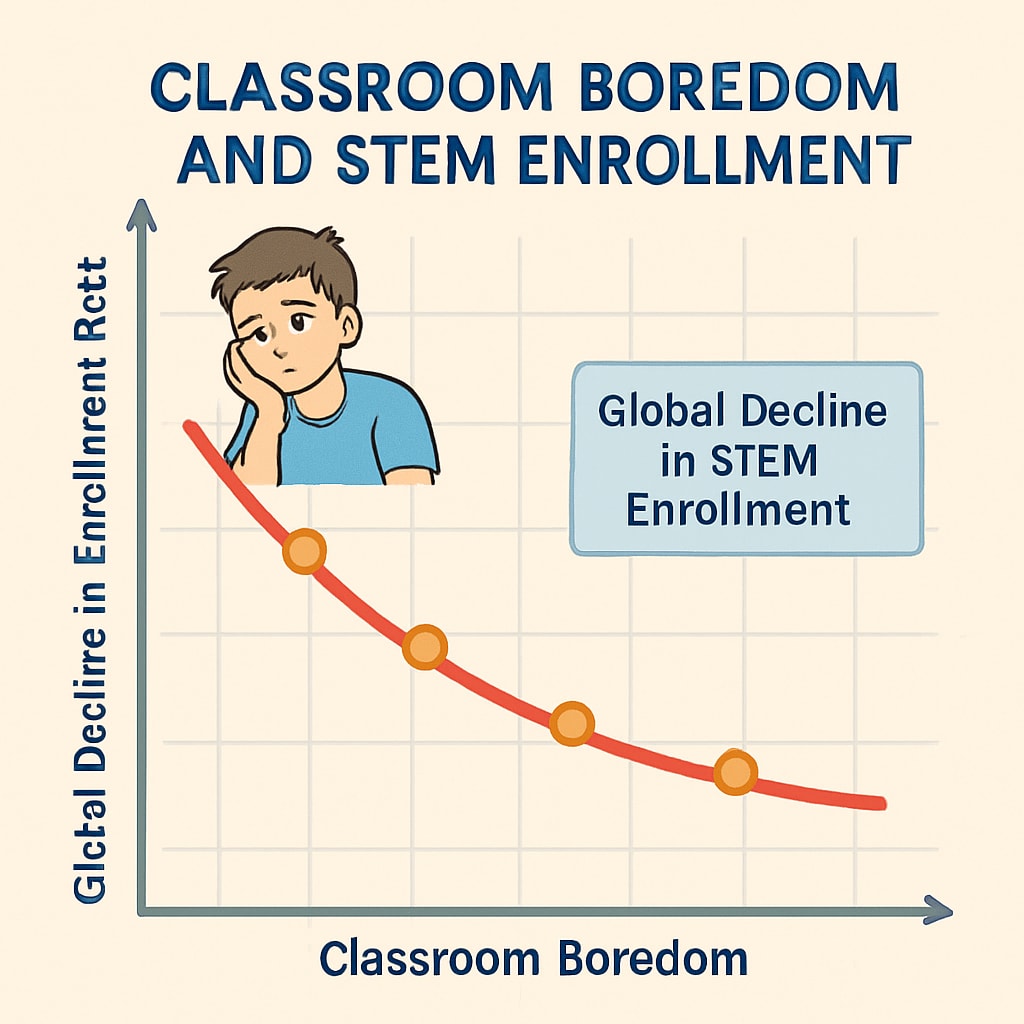
For example, studies in the United States have shown a correlation between student boredom and declining interest in STEM (Science, Technology, Engineering, and Mathematics) fields, which are critical for future innovation (STEM Education on Wikipedia).
Solutions: How to Combat Classroom Boredom
Addressing classroom boredom requires a multi-faceted approach that involves educators, policymakers, and students themselves. Here are some potential solutions:
- Incorporate Technology: Interactive tools such as smartboards, educational apps, and gamified learning can make lessons more engaging and dynamic.
- Personalized Learning: Adapting curricula to meet the needs and interests of individual students can foster a more inclusive and stimulating environment.
- Focus on Real-World Applications: Linking lessons to practical, real-life scenarios can help students understand the relevance of what they are learning.
- Professional Development for Teachers: Regular training can equip educators with innovative teaching strategies that prioritize student engagement.
In addition, fostering a classroom culture that encourages curiosity and creativity can go a long way in reducing boredom. Initiatives such as project-based learning and peer collaboration have shown significant promise in re-engaging students.
The Path Forward
Tackling classroom boredom is crucial for the future of education. By addressing the root causes and implementing targeted solutions, educators and policymakers can create an environment where students feel motivated and inspired to learn. While this is a global challenge, it also presents an opportunity for international collaboration and innovation in education. As we move forward, let us prioritize the needs of our students, ensuring that boredom becomes a thing of the past.
Readability guidance: This article uses concise paragraphs, lists for clarity, and integrates transition words to ensure smooth reading. The distribution of keywords and their synonyms ensures SEO optimization without overloading the content.

