Across the globe, studies have shown alarming levels of student boredom in educational environments, especially within K12 classrooms. This phenomenon, often underestimated, poses a significant challenge to effective learning and student engagement. By identifying the root causes of boredom, understanding its impact, and introducing actionable strategies, educators can begin to address this pervasive issue.
Understanding the Causes of Student Boredom
Student boredom in education is not a new concept, but its prevalence has grown considerably over the years. Several factors contribute to this problem:
- Static Teaching Methods: Traditional lecture-based approaches often fail to captivate students, especially those accustomed to interactive digital environments.
- Lack of Relevance: When students perceive lessons as irrelevant to their lives or future goals, they disengage.
- Overloaded Curricula: Dense and fast-paced content can overwhelm students, leading to disinterest.
- Minimal Student Autonomy: A rigid system that limits choice or creativity can stifle enthusiasm for learning.
The Impact of Boredom on Learning
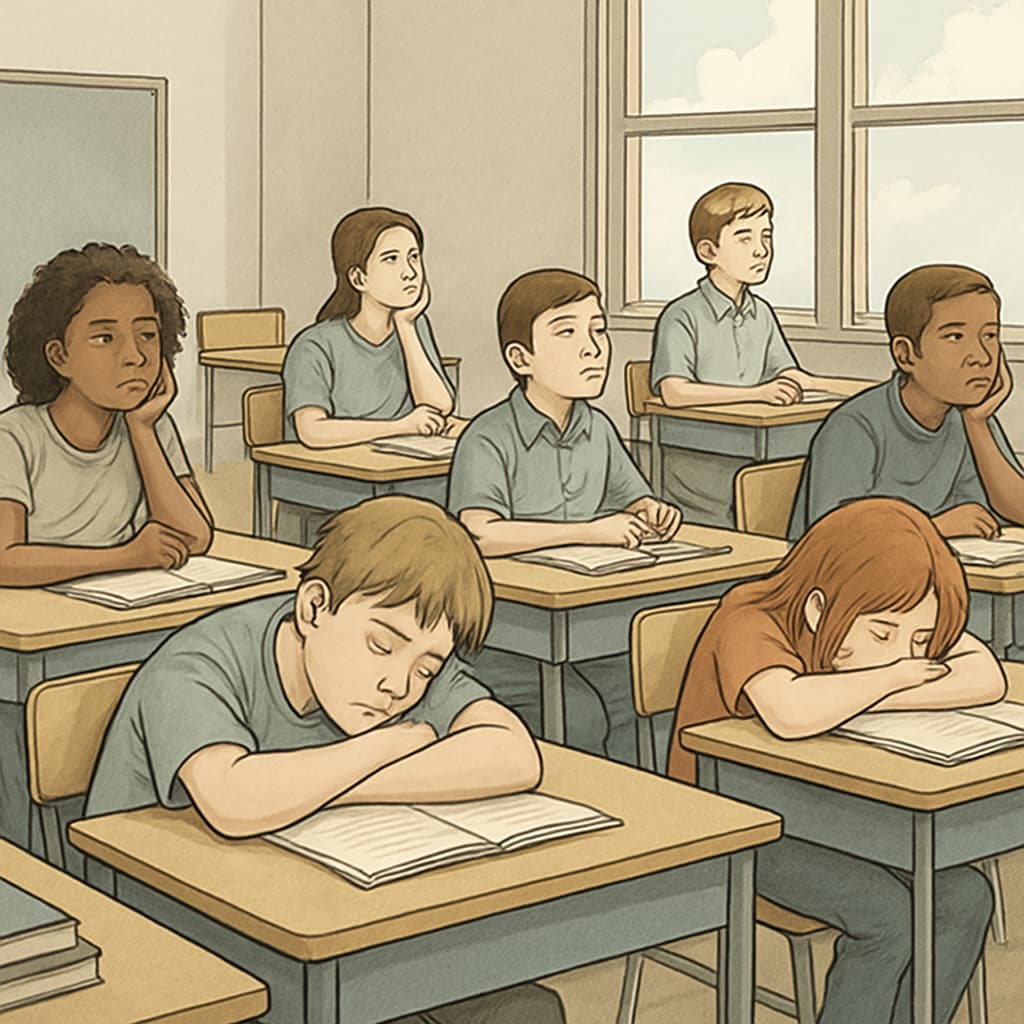
The consequences of student boredom extend beyond mere disinterest. Studies indicate that prolonged periods of disengagement can lead to:
- Reduced Academic Performance: Students who are bored are less likely to retain information or actively participate in class discussions.
- Increased Dropout Rates: Chronic boredom has been linked to higher dropout rates, as students feel disconnected from the educational system.
- Mental Health Challenges: Feelings of boredom can compound stress, anxiety, and depression in students.
For example, a global education study revealed that over 60% of students reported feeling bored in school, highlighting the urgent need for intervention.
Effective Strategies to Combat Student Boredom
To address this issue, educators and school administrators must adopt innovative strategies to foster engagement. These include:
- Interactive Learning Techniques: Implementing group projects, discussions, and hands-on activities encourages active participation.
- Integrating Technology: Tools such as gamified learning platforms and virtual simulations can make lessons more engaging.
- Personalized Education: Tailoring lessons to individual interests and strengths helps maintain student interest.
- Encouraging Autonomy: Allowing students to choose projects or topics gives them a sense of ownership over their learning.
As noted by Britannica, progressive teaching methods can transform classrooms into dynamic spaces where students thrive.
Global Perspectives on Addressing Student Boredom
Different countries are tackling student boredom through innovative programs and policies. For example:
- Finland: Known for its student-centered approach, Finland emphasizes shorter school days and adaptable curricula.
- Australia: Schools integrate outdoor education and experiential learning to engage students actively.
- United States: Many districts are adopting STEM-based and project-oriented learning models to enhance engagement.
These case studies provide valuable insights for educators worldwide aiming to reduce boredom and foster meaningful learning experiences.
In Conclusion: Student boredom, although widespread, is not insurmountable. By understanding its causes and impacts and implementing targeted strategies, educators can reclaim the classroom as a space for curiosity and growth. The future of K12 education depends on addressing this silent barrier to effective learning.