Student boredom, education research, and cross-national data are drawing increasing attention as studies reveal a worrying phenomenon: students worldwide, from middle school to university, often feel disengaged and bored in their educational environments. This issue, though less visible than other challenges like access to education or funding gaps, is emerging as a hidden crisis capable of undermining learning quality and academic outcomes. Understanding the scope of this problem, its causes, and potential solutions has become an urgent priority for educators and policymakers globally.
Cross-National Data on Student Boredom
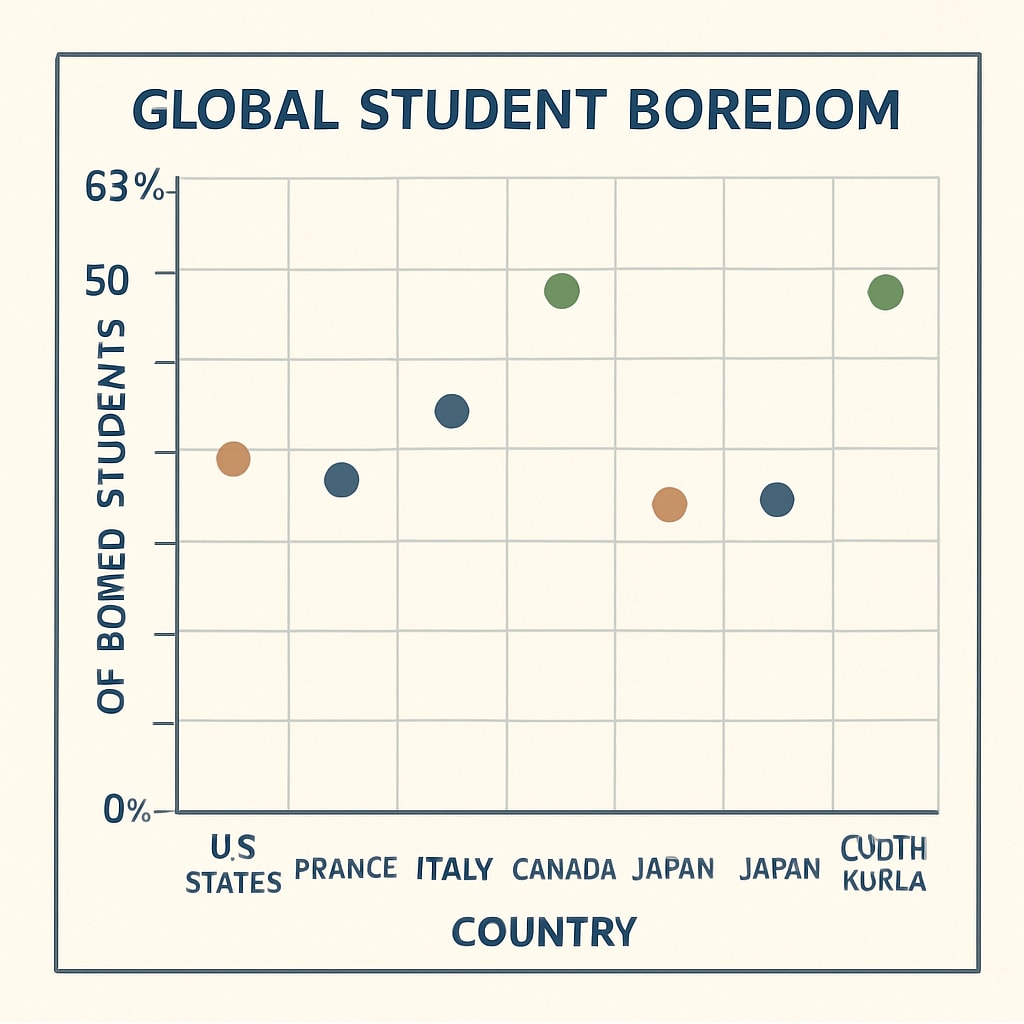
Recent research across multiple countries paints a concerning picture of widespread boredom in classrooms. For instance, a 2021 study conducted by the Organisation for Economic Co-operation and Development (OECD) found that over 60% of high school students in developed nations reported feeling disengaged during lessons. Similarly, a survey by the American Psychological Association (APA) revealed that nearly 50% of university students in the United States described their classes as monotonous or uninteresting.
The problem is not confined to high-income countries. Data from emerging economies also indicate alarming levels of student boredom. For example, a cross-national study conducted in Brazil, South Africa, and India found that more than 70% of students reported feeling disconnected from classroom activities at least once a week. These figures suggest that boredom is not merely a cultural or regional issue—it is a global challenge.
What Causes Classroom Boredom?
The roots of student boredom are multifaceted, encompassing both structural and psychological factors. Below are some of the primary contributors:
- Traditional Teaching Methods: Many classrooms still rely on lecture-based instruction, which often limits student engagement and interaction.
- Overemphasis on Standardized Testing: The pressure to perform well on tests can reduce learning to rote memorization, stripping lessons of creativity and relevance.
- Curriculum Irrelevance: When students perceive course content as disconnected from real-life applications, they are less motivated to engage.
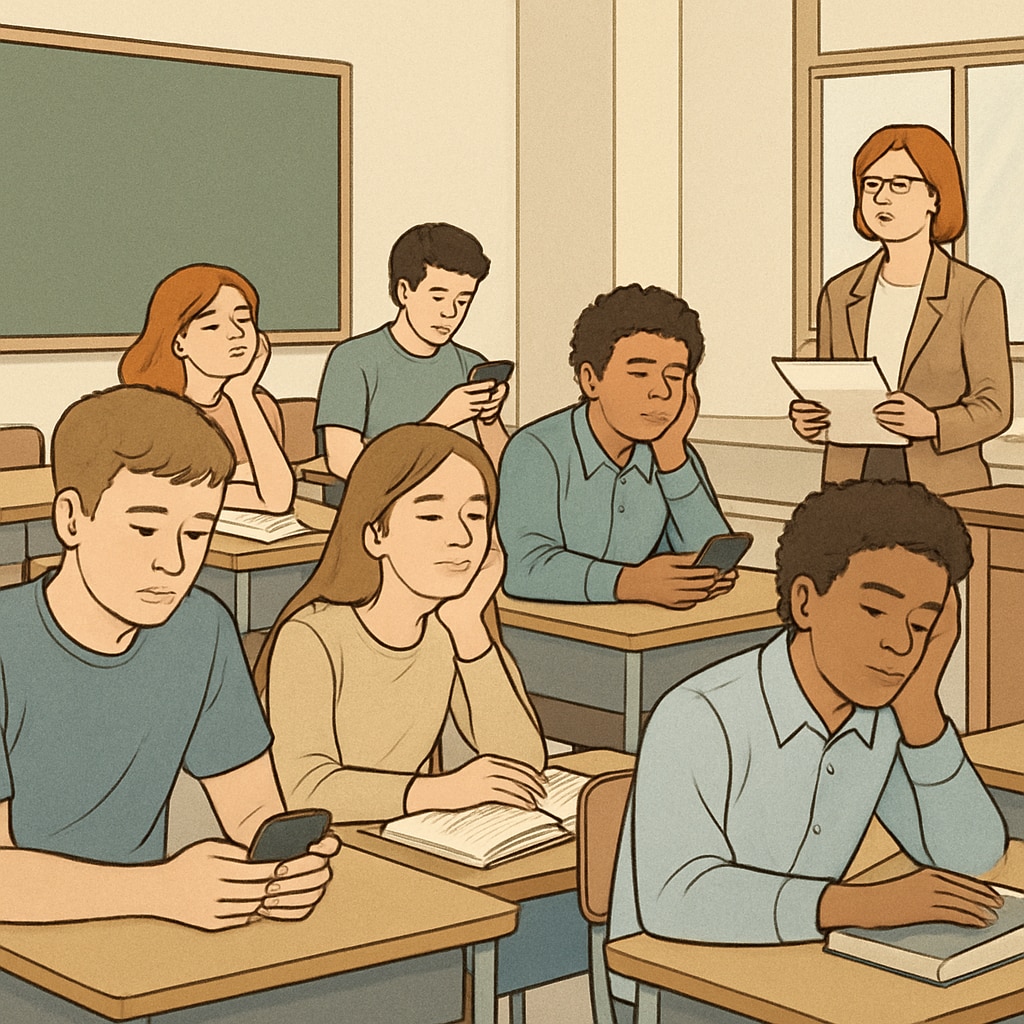
- Technological Distractions: The rise of smartphones and social media has created new challenges for maintaining focus in classrooms.
- Teacher-Student Relationships: A lack of meaningful connections between teachers and students can exacerbate feelings of isolation and disinterest.
These factors often interact, compounding the problem. For example, a rigid curriculum combined with uninspiring teaching methods may create a perfect storm for disengagement.
Implications for Education
The consequences of widespread boredom in educational settings are far-reaching. Studies have linked disengagement to lower academic performance, higher dropout rates, and reduced long-term motivation for learning. Moreover, the psychological toll of persistent boredom can lead to stress, anxiety, and a diminished sense of self-efficacy among students.
From a societal perspective, the economic implications are significant. A disengaged workforce begins in disengaged classrooms, potentially affecting productivity and innovation in the long term. For example, a report by the World Economic Forum highlighted the need for 21st-century skills like critical thinking and collaboration—skills that are difficult to cultivate in a disengaged learning environment.
Potential Solutions to Combat Boredom
Addressing student boredom requires a multi-pronged approach involving educators, policymakers, and students themselves. Here are some potential strategies:
- Adopting Active Learning Techniques: Methods like project-based learning, group discussions, and hands-on activities can make lessons more engaging.
- Integrating Technology Thoughtfully: Tools like interactive apps and multimedia presentations can enhance engagement when used appropriately.
- Revising Curricula: Connecting course content to real-world applications can help students see the relevance of what they are learning.
- Fostering Teacher-Student Relationships: Encouraging open communication and building trust can create a more supportive learning atmosphere.
- Reducing Emphasis on Testing: Shifting the focus from standardized assessments to holistic evaluations can promote deeper learning.
Ultimately, combating boredom is not just about making lessons entertaining—it is about creating an environment where students feel valued, challenged, and inspired.
Conclusion: The issue of student boredom, as highlighted by education research and cross-national data, is a global challenge that demands urgent attention. By understanding the causes and implementing targeted solutions, educators and policymakers can transform classrooms into spaces of curiosity and engagement, paving the way for better learning outcomes and a brighter future.