As artificial intelligence reshapes higher education and career landscapes, K12 schools must adapt. This article explores how to cultivate uniquely human skills (creativity, emotional intelligence) to ensure students thrive alongside AI. Discover actionable strategies for future-proof learning.
Thinkacademy
Education, Critical Thinking, Personal Growth: The True Purpose of K12 Learning
This article explores how K12 education influences students’ character development and critical thinking abilities. Beyond knowledge transfer, true education cultivates self-awareness, inclusivity, and problem-solving skills that shape better individuals. Discover why education, critical thinking, and personal growth are inseparable in formative years.
Beyond Borders: Ms Rachel and the Humanitarian Role of Child Education Influencers
This article explores how child education influencers like Ms Rachel can expand their humanitarian focus beyond geographical limits, shaping universal values for the next generation. Keywords: Ms Rachel, child education, humanitarianism, Middle East.
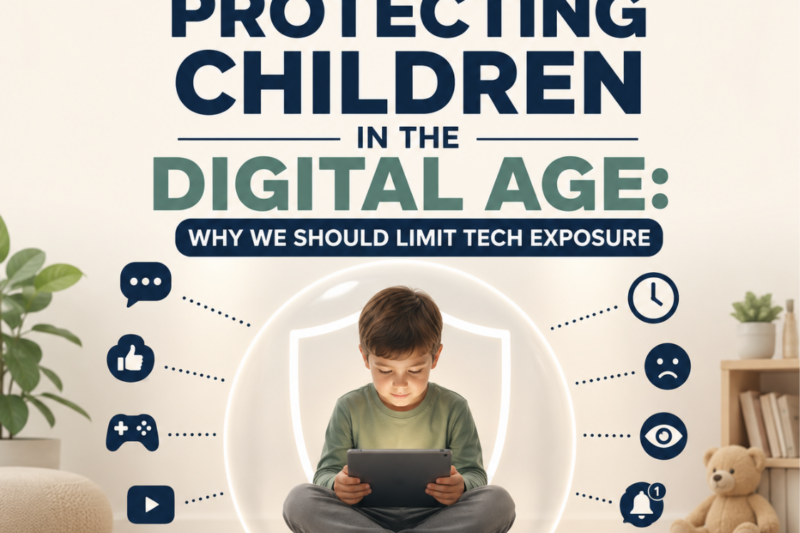
Protecting Children in the Digital Age: Why We Should Limit Tech Exposure
Excessive screen time contributes to technology addiction in children, threatening their mental health and cognitive development. This article explores why protecting young minds requires balanced digital exposure and practical strategies for parents.
The Future Essentials: Why Financial and Time Management Education Should Be Core in K12 Schools
Modern education often overlooks financial literacy and time management—two critical life skills. This article explores why integrating financial education and time management into K12 core curricula is essential for preparing students for real-world challenges.
Deconstructing the “Gifted” Myth: The Hidden Educational Pitfalls of Labeling
This article examines how the “Gifted” label in K12 education creates unintended consequences for both labeled and unlabeled students, while exploring alternative approaches to nurture all learners without harmful categorization. Keywords: Gifted, education labels, student stress.
Elementary Education, Racial Segregation, Age-Appropriateness: Balancing Childhood Innocence and Social Awareness
The debate over introducing topics like racial segregation in elementary education raises questions about age-appropriateness. This article examines how to balance childhood cognitive development with early social awareness while maintaining educational integrity in primary school curricula.
Educational Years, Admission Letter, Visa, EU: Bridging the Gap in EU University Admissions
This article explores how global disparities in educational years (10-year vs. 12-year systems) create visa obstacles for students applying to EU universities. It analyzes root causes and offers practical solutions for affected applicants.
Prioritizing Learning: Why Public Schools Should Temporarily Remove Disruptive Students
This article examines challenges in public schools regarding disruptive behavior, proposing a “learner-first” approach. It advocates temporary removal of disruptive students paired with psychological support and parental accountability to protect learning environments while addressing behavioral issues.
AI in Education: How K12 Schools Can Prepare Students for Unknown Careers
As AI development reshapes education value and career prospects, this article explores how K12 schools can adapt their curricula to cultivate students’ core competencies for an unpredictable job market. Learn actionable strategies for future-proof learning.