
Many children do not start out hating math.
More often, they lose confidence after repeated moments of confusion, unfinished understanding, low test scores, or being left behind their classmates.
Over time, math can begin to feel less like a subject to learn and more like proof that they are “not good at it.” For parents, this can be frustrating to watch: a child who once tried now avoids homework, shuts down during practice, or says, “I just can’t do math.”
The good news is that math confidence can be rebuilt.
In this guide, we’ll walk through 8 evidence-backed strategies to help your child rebuild math confidence—starting today!
Why Math Confidence Matters
📌 Confidence drives participation
Math confidence plays a major role in how students engage with learning. When students believe they can make sense of math, they are more likely to participate in class, ask questions, explain their thinking, and stay with a problem even when it feels difficult. Confidence does not mean a student always knows the answer—it means they are willing to try.
📌 Confidence builds problem-solving resilience
Students who believe they can improve are also more open to challenge. Instead of seeing a hard problem as proof that they are “bad at math,” they learn to view it as an opportunity to practice, adjust their strategy, and grow. This mindset helps build stronger problem-solving skills over time.

📌 Low confidence leads to avoidance and anxiety
When confidence is low, however, math can quickly become stressful. A child may avoid homework, stay quiet in class, rush through problems, or shut down before even starting. Over time, this avoidance can turn into math anxiety, making it even harder for the student to learn. That is why building math confidence is not just about improving grades—it is about helping students feel capable, resilient, and ready to learn.
8 Practical Tips to Build Confidence in Math
Many children feeling left behind or unsupported at math; rather, they gradually lose the courage to try after repeated experiences of failing to solve problems and being dismissed. Here are eight practical strategies that parents, teachers, and tutors can use to help students rebuild their relationship with math—one step at a time.
1. Start with a Growth Mindset
Help your child understand that struggling with math does not mean they are “bad at math.”The words parents and teachers use matter more than most people realize.
Encourage them to focus on progress, effort, and strategies rather than natural talent. Phrases like “you’re just not a math person” or “some kids are naturally better at this” can unintentionally convince a child that their ability is fixed—and that trying harder won’t make a difference. Instead, try language that focuses on the process:
Instead of: “You’re so smart.”
Try: “I can see how hard you worked on that problem.”
Besides, share stories of people—including yourself—who struggled with math but improved with practice. Normalizing the learning curve helps children see effort as the path forward, not a sign of weakness.
2. Identify and Fill Learning Gaps
Many students lose confidence because they are missing earlier skills that new lessons depend on.
Use assessments, homework review, classwork, or tutoring to find exactly where your child gets stuck. Once those gaps are addressed, math often starts to feel much more manageable.
3. Break Problems into Smaller Steps
A difficult problem feels less overwhelming when it is broken into clear steps.
Encourage your child to slow down, identify what the question is asking, and follow the method taught by their teacher. Step-by-step thinking helps students feel more in control instead of guessing or giving up.
4. Make Mistakes Part of the Learning Process
Wrong answers should be treated as feedback, not failure.
Review mistakes calmly and ask, “What can we learn from this?” When children understand why an error happened, they are more likely to improve and less likely to fear trying again.
5. Connect Math to Real Life
Show your child how math appears in everyday situations, such as cooking, shopping or saving money. Real-life examples make math feel more useful and less abstract. As children apply math successfully outside the classroom, they begin to see their own growth more clearly.
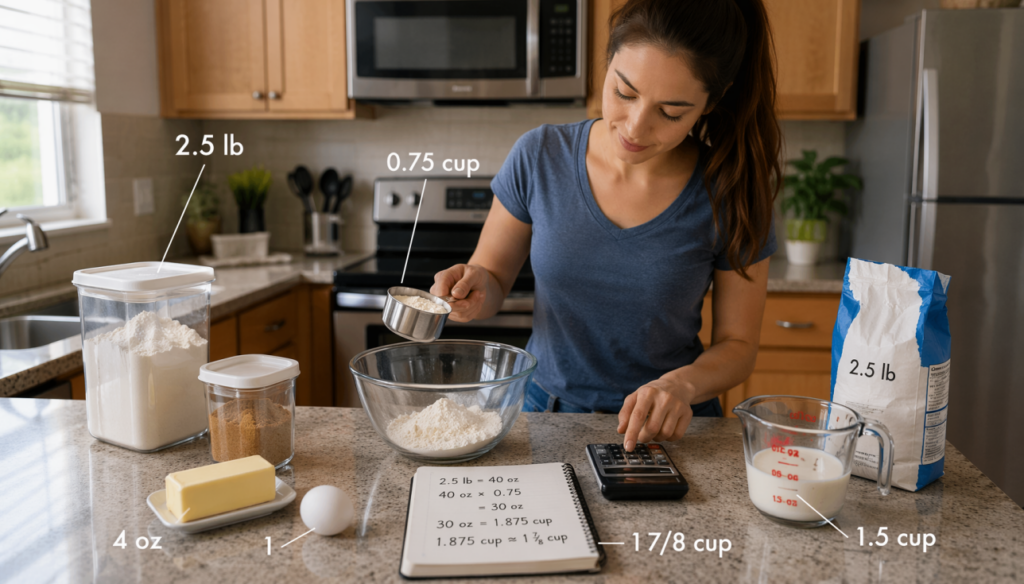
There is also a confidence benefit that goes beyond the math itself.When a student successfully calculates a tip at a restaurant, estimates whether they have enough money before checkout, or figures out how long a road trip will take—they experience a moment of genuine competence.
These moments matter. They give students concrete evidence that math is something they can do and utilize — not just in a classroom, but in real life.
6. Practice Consistently Without Overloading
Short, regular practice is usually more effective than long, stressful study sessions.
Keep practice focused, manageable, and consistent so your child can build fluency over time. Remember: practice should help children learn, not feel like another test.
Valid E-mail for Free Math Worksheets from G5 – G10
7. Celebrate Small Wins
Confidence grows when children experience success in small, repeated ways. Set achievable goals, such as mastering one type of problem or improving accuracy on a skill. Praise effort, strategies, and progress—not just correct answers—and keep track of improvements so your child can see how far they’ve come.
Try keeping a simple progress journal or chart where your child can mark off skills they’ve mastered. Seeing a visual record of growth can be surprisingly motivating—especially on hard days.
8. Consider One-on-One Math Tutoring
If your child continues to feel stuck, one-on-one math tutoring can provide targeted support. A teacher can identify learning gaps, adjust explanations to your child’s needs, and guide them through problems at the right pace. With the right support, students can rebuild confidence and begin to see themselves as capable math learners.
Looking for personalized support that builds on all 8 of these strategies? Schedule a free assessment.
How Think Academy 1-on-1 Math Tutoring Can Help
Think Academy 1-on-1 Online Math Tutoring provides personalized online math support for students who need to catch up, stay on track, or move ahead. Each student starts with a diagnostic assessment, then receives a customized learning plan based on their current level, school curriculum, and long-term goals.

With 1-on-1 instruction, students receive focused attention that is impossible to get in a busy classroom. Teachers can slow down when a concept feels confusing and guide students through problems step by step. Think Academy 1-on-1 also keeps parents informed about their child’s progress, so families can clearly see what skills are improving and where more support is needed.
Building math confidence takes time, patience, and the right support. With a growth mindset, consistent practice, and personalized guidance, every child has the potential to develop a stronger relationship with math.
Explore Think Academy
1-on-1 Online Math Tutoring
Frequently Asked Questions
Q1: Why is my child losing confidence in math?
Many students lose confidence when they repeatedly feel confused, fall behind on key skills, or compare themselves to classmates. In Grades 5–10, math also becomes more abstract, so small learning gaps can quickly make new topics feel overwhelming.
Q2: Why does my child understand math in class but struggle with homework?
This often happens when students follow the teacher during instruction but are not yet confident applying the steps independently. Encourage your child to write down each step, use class notes, and identify exactly where they get stuck. If the pattern continues, there may be a learning gap that needs targeted support.
Q3: How much math practice is enough?
Consistent, manageable practice is usually better than long, stressful sessions. For many students, 15–30 minutes of focused practice several times a week can be more effective than doing a large amount at once. The goal is to build fluency without making math feel like punishment.
Q4: Should I correct every mistake my child makes?
Not immediately. Give your child time to explain their thinking first. Then help them find the error by asking guiding questions, such as “What did the problem ask?” or “Which step changed the answer?” This teaches problem-solving instead of creating dependence.
Q5: How can I build confidence if my child is behind grade level?
Start with the most important missing skills instead of rushing through current material. Math builds layer by layer, so filling gaps in fractions, decimals, equations, or basic problem-solving can make grade-level work feel much easier. Small wins are especially important for rebuilding confidence.
Q6: Can advanced students also struggle with math confidence?
Yes. Some high-performing students lose confidence when they meet harder problems in pre-algebra, algebra, geometry, or competition math. They may be used to getting answers quickly and feel discouraged when math requires deeper thinking. Helping them see challenge as part of growth is essential.
Q7: How long does it take to rebuild math confidence?
It depends on the student and the size of the learning gaps. Some children feel better after a few successful lessons, while others need consistent support over several months. The key is steady progress, positive reinforcement, and helping the child experience math as something they can understand.