When students ask, “Why do we need to learn math?” it’s a challenge that many educators encounter. This question highlights skepticism about the relevance of mathematics and can undermine classroom engagement. To address it effectively, teachers must go beyond the traditional justification of “you’ll use it later” and instead focus on building a deeper connection between math education, learning motivation, and teaching strategies. By understanding the psychology behind students’ doubts and employing creative methods, educators can transform these questions into opportunities for growth.
Understanding the Psychology Behind “Why Learn Math?”
Students questioning the necessity of math often reflect deeper concerns about their personal goals, interests, and the perceived value of what they’re learning. Adolescents, in particular, are at a stage where they seek meaning and relevance in their activities. If they cannot see how math fits into their worldview, they might disengage.
According to research on motivation, students are more likely to engage with material that aligns with their intrinsic interests or offers immediate, tangible benefits. Therefore, addressing their doubts requires not only logical explanations but also emotional connections to their lives and goals.
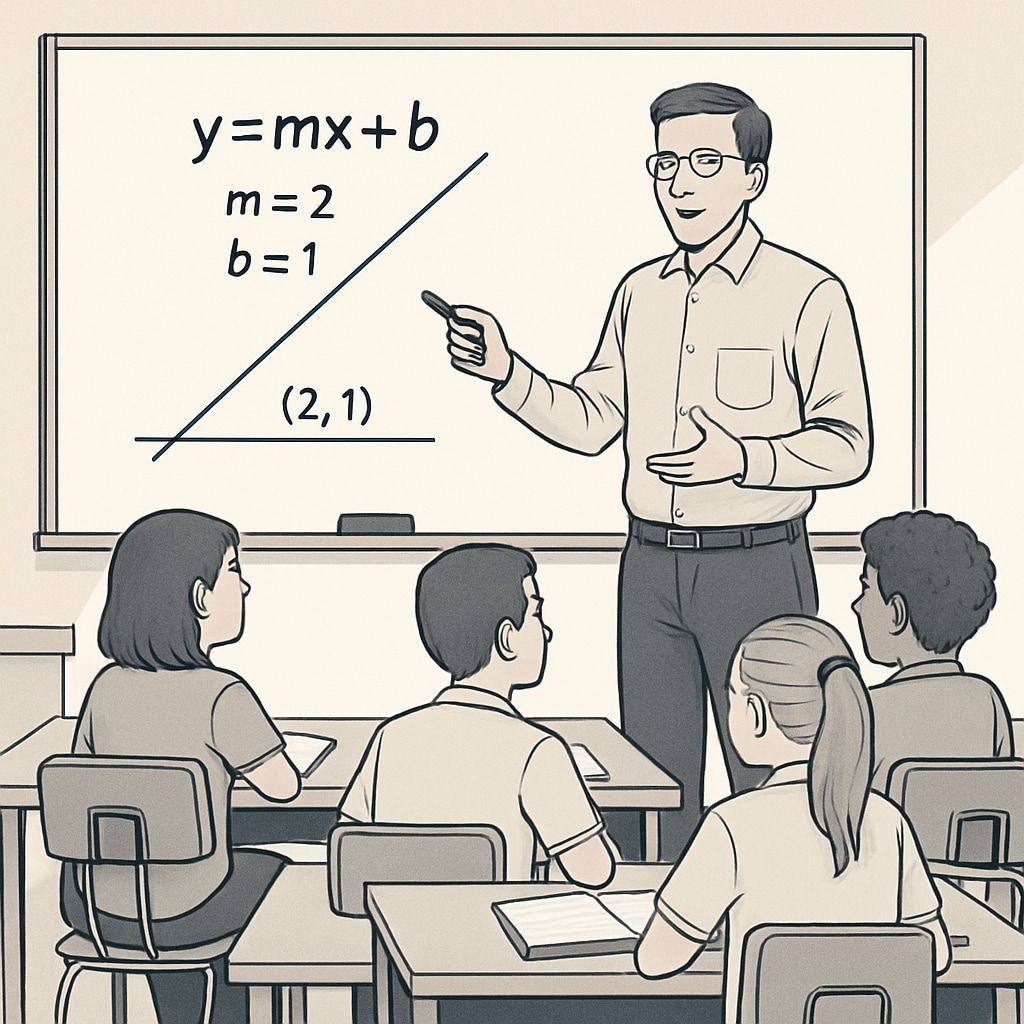
Moving Beyond “You’ll Use It Later”: Effective Teaching Strategies
Instead of relying on practical future applications, educators should present math as a tool for critical thinking, creativity, and problem-solving. Here are some strategies:
- Showcase Real-Life Applications: Instead of generic examples, tailor scenarios to students’ interests. For instance, demonstrate how algebra is used in designing video games or how geometry is essential in architecture.
- Highlight Cognitive Benefits: Explain how learning math develops logical reasoning and analytical skills, which are valuable in any career or life situation.
- Personalize Learning: Incorporate examples that resonate with students’ cultural or personal backgrounds, making the subject more relatable.
These approaches not only make math more engaging but also help students see its broader value beyond the classroom.
Inspiring Intrinsic Motivation Through Innovative Techniques
In addition to contextualizing math, fostering intrinsic motivation is crucial. Here are some innovative methods:
- Gamification: Introduce math-based games or challenges that make learning fun and rewarding.
- Project-Based Learning: Encourage students to solve real-world problems, such as budgeting for a community project or analyzing environmental data.
- Encourage Growth Mindset: Emphasize that math ability is not fixed but can improve through effort and practice, building confidence and persistence.
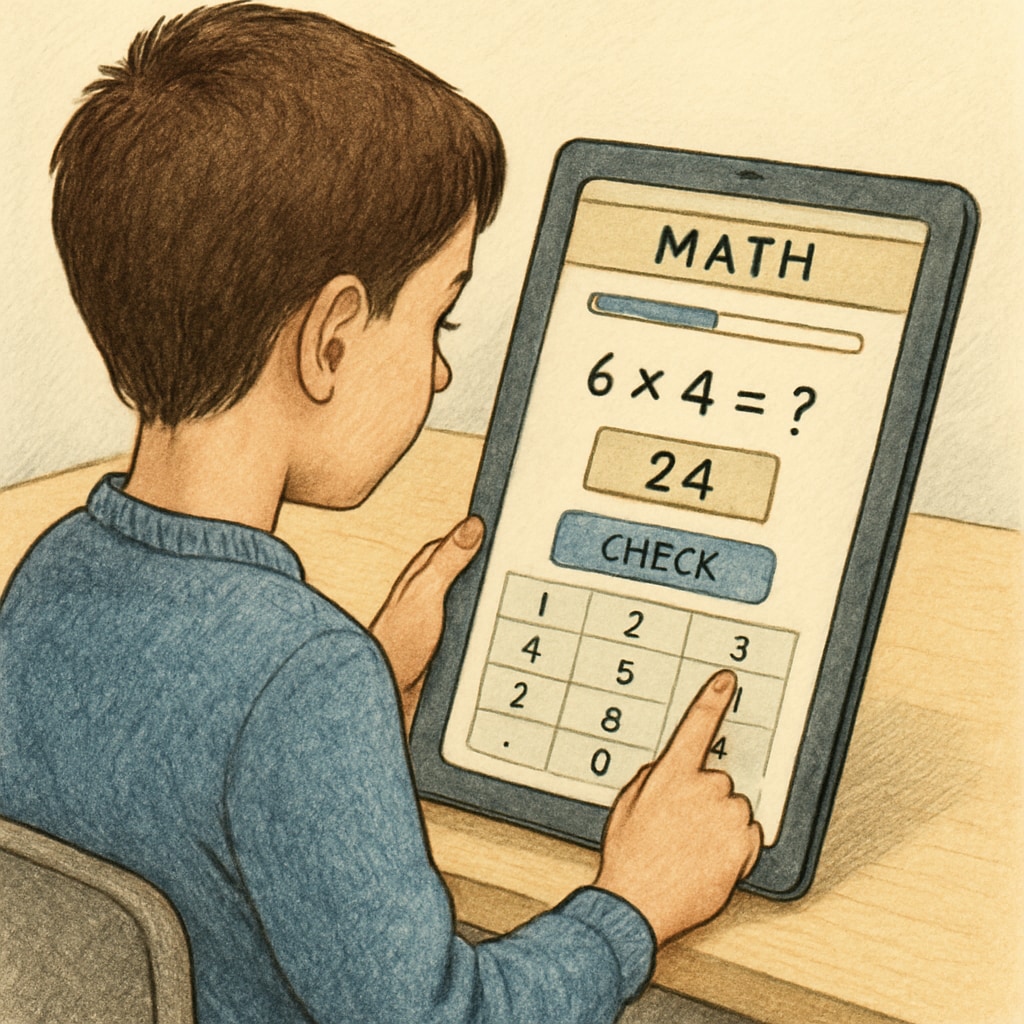
For example, using technology tools like interactive math apps can also help students visualize complex concepts, making them more accessible and engaging.
Transforming Classroom Dynamics
By fostering a positive classroom atmosphere, teachers can further enhance students’ connection to math. Encourage open discussions where students can express their doubts without fear of judgment. This creates a sense of belonging and helps educators tailor their teaching strategies effectively.
Additionally, celebrate small successes in math learning. Acknowledging progress, no matter how minor, reinforces students’ efforts and motivates them to continue engaging with the subject.
Conclusion: Redefining the Value of Math Education
When students question the necessity of math, it’s an opportunity for educators to redefine its value. By addressing the psychology behind their doubts and implementing dynamic teaching strategies, teachers can inspire a deeper appreciation for mathematics. Math education, learning motivation, and innovative teaching strategies are interconnected tools that, when used effectively, can transform students’ perspectives and foster a lifelong love for learning.
As educators, the goal is not only to teach math but to help students see its broader implications for their lives and future. By doing so, we can ensure that students remain engaged and motivated, ready to tackle both mathematical challenges and real-world problems with confidence and curiosity.