


When students ask, “Why do we need to learn math?” it’s a question that touches on core aspects of math education, learning motivation, and teaching strategies. Many educators instinctively turn to arguments like “you’ll use this in the future” or “it’s essential for your career.” However, these responses often fail to resonate with students, who may see math as disconnected from their immediate lives and interests. To address this effectively, teachers need to adopt a fresh approach, one that links math to students’ experiences and fosters intrinsic motivation. By doing so, educators can transform classroom dynamics and inspire a lifelong appreciation for mathematics.
Unpacking Students’ Questions: Beyond Surface-Level Doubts
When students question the relevance of math, it often reflects deeper psychological needs, such as a desire for autonomy, relevance, and purpose. Simply stating that math is “useful” or “required” does little to address these needs. Instead, educators should consider the following:
- Relevance: Students want to see how math applies to their world. For instance, how does geometry influence architecture, or how can statistics help them understand trends on social media?
- Autonomy: They seek a sense of control over their learning. Allowing students to explore math through projects or topics of personal interest can make it more meaningful.
- Purpose: Beyond grades, students need to connect math to broader goals, such as critical thinking or problem-solving skills that are vital in any career.
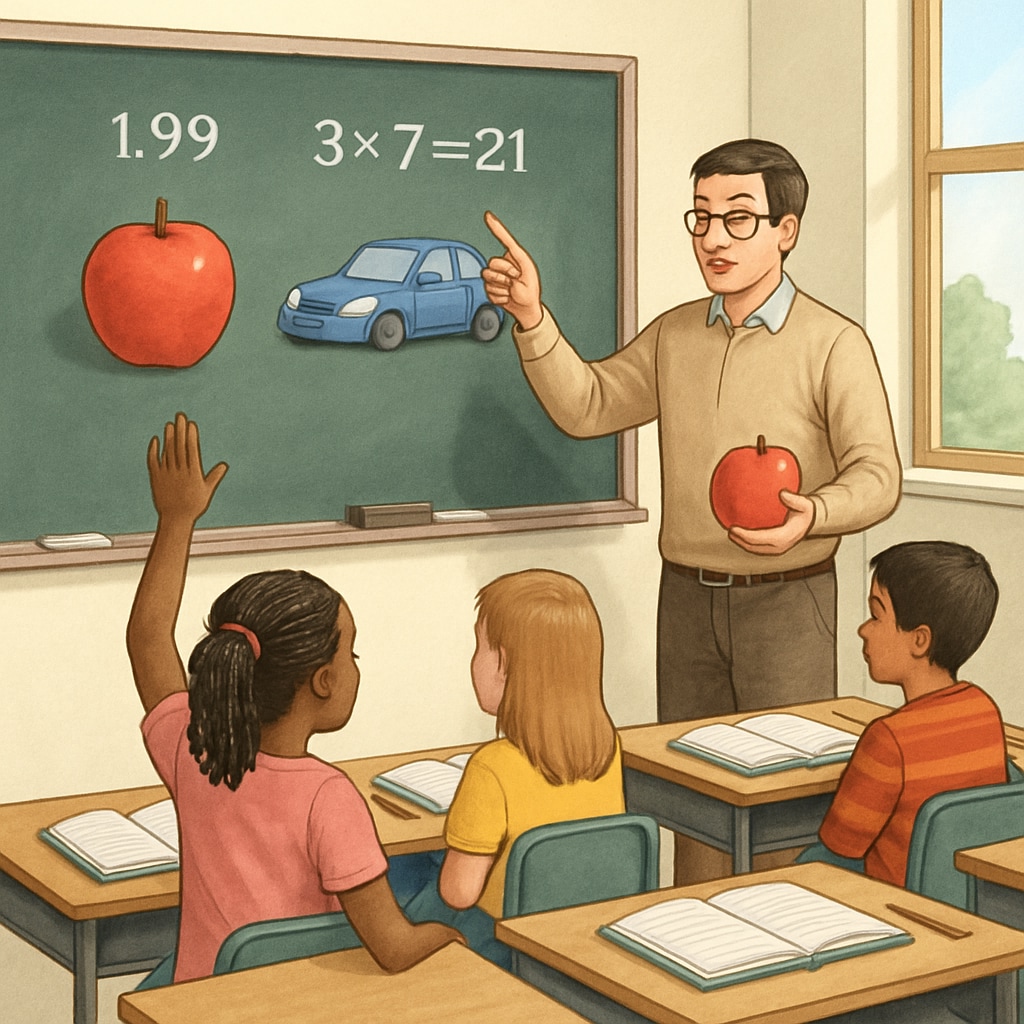
Strategies to Foster Intrinsic Motivation in Math Education
Effective teaching strategies for math should focus on making the subject engaging and relevant while addressing students’ intrinsic needs. Here are some practical approaches:
- Connect Math to Real-World Problems: Demonstrate how mathematical concepts apply to everyday tasks. For example, use budgeting exercises to teach percentages or explore the math behind viral internet trends.
- Incorporate Technology: Tools like graphing software, coding platforms, or math-based games can transform abstract concepts into interactive, hands-on learning experiences.
- Encourage Collaborative Learning: Group activities and peer discussions can make math feel less intimidating and more engaging.
- Highlight Transferable Skills: Emphasize how math builds logical reasoning, analytical thinking, and problem-solving abilities—skills that are universally applicable.
- Personalize Lessons: Tailor examples and problems to align with students’ interests, such as sports statistics for athletes or design calculations for aspiring artists.
These strategies not only make math more accessible but also create an environment where students feel empowered to explore and understand the subject on their terms.
The Role of Teacher-Student Relationships in Math Education
Building strong relationships with students is key to addressing their doubts about math. When students feel supported and understood, they are more likely to engage with challenging subjects. Teachers can foster these connections by:
- Listening Actively: Taking the time to understand students’ frustrations and concerns about math.
- Providing Encouragement: Celebrating small victories, such as mastering a difficult concept or improving test scores, to build confidence.
- Being Transparent: Explaining why certain topics are taught and how they connect to broader life skills or potential careers.
These efforts help create a positive classroom atmosphere where students feel motivated to learn and succeed.
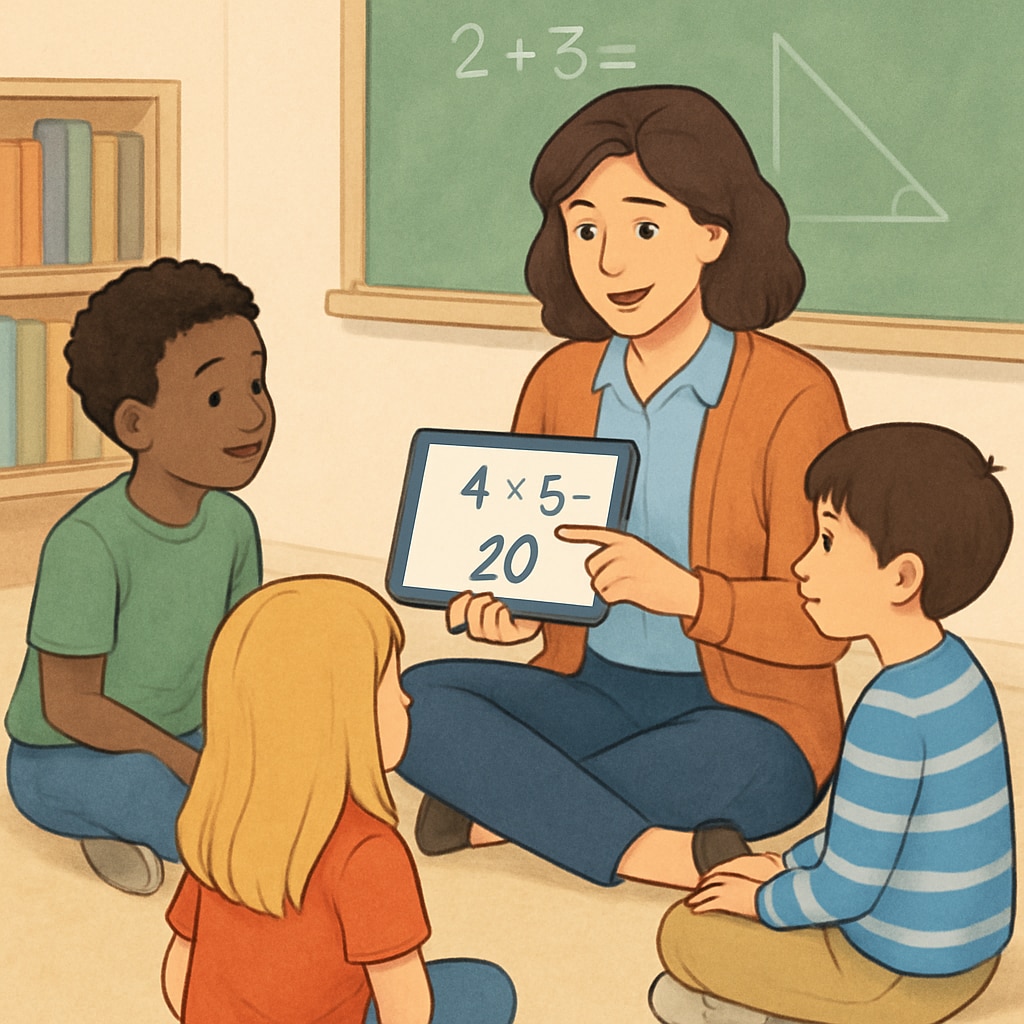
Conclusion: A New Perspective on Math Education
To effectively address students’ doubts about learning math, educators must go beyond traditional arguments and embrace strategies that connect the subject to students’ lives. By focusing on relevance, fostering intrinsic motivation, and building strong teacher-student relationships, math can transform from a source of frustration to a tool for empowerment. This shift not only enhances classroom dynamics but also equips students with skills that extend far beyond the classroom, preparing them for a future in which analytical thinking and problem-solving are more important than ever.
As educators, the challenge is not merely to teach math but to inspire students to see its value in their lives and beyond. By reimagining our approach, we can redefine the role of math education for the next generation.

