


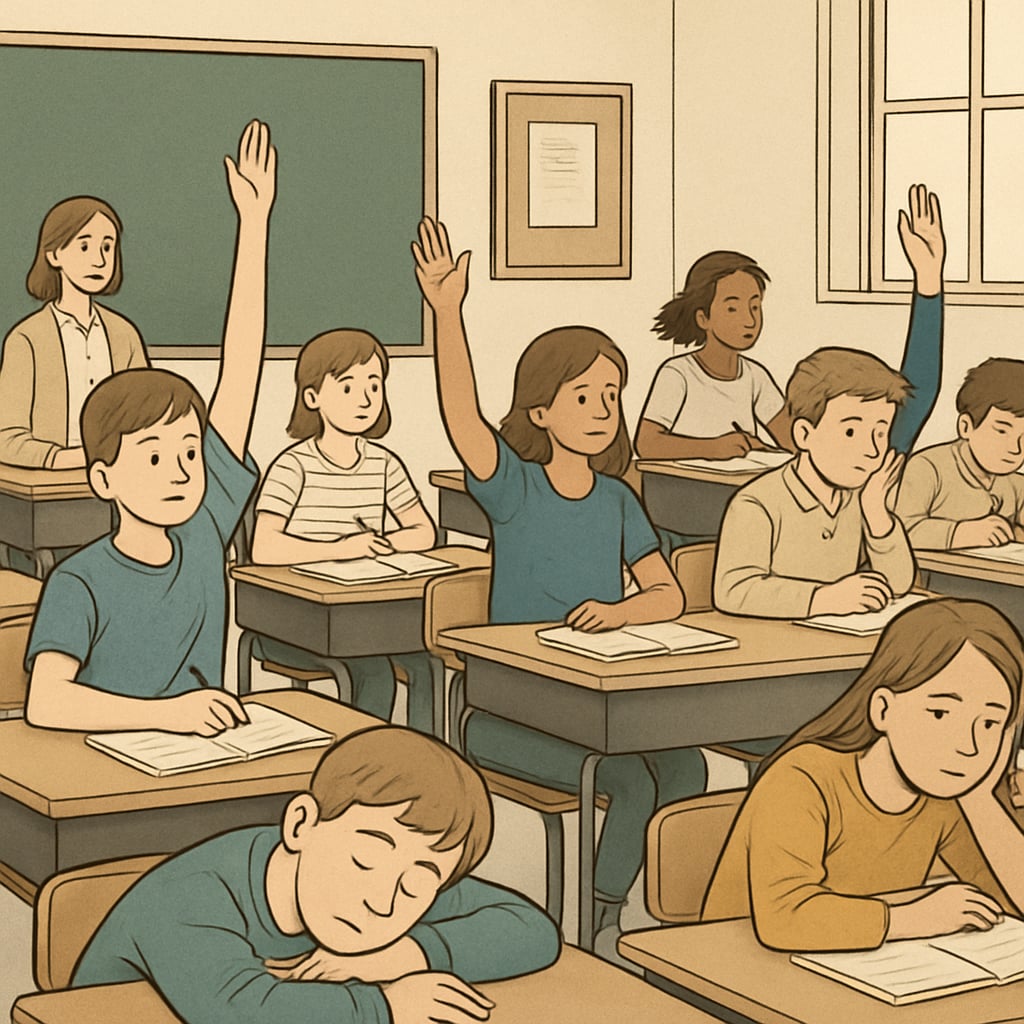
Student boredom in education has become a pervasive challenge in K12 classrooms, leading to disengagement and diminished learning outcomes. Addressing this issue requires understanding its root causes and implementing effective strategies to boost classroom participation and rekindle students’ enthusiasm for learning.
Understanding the Causes of Student Boredom
Boredom in classrooms doesn’t stem from laziness or lack of interest alone; it is often rooted in deeper systemic issues. For example, monotonous teaching methods, a lack of interactive activities, or content that feels irrelevant to students’ lives are key contributors. In addition, excessive focus on standardized testing can stifle creativity, making learning feel like a chore rather than an enriching experience.
Research has shown that when students fail to find a personal connection to the material, their engagement levels drop significantly (Education on Wikipedia). Furthermore, insufficient differentiation in teaching approaches can leave both advanced learners and struggling students feeling disconnected.
Negative Impacts of Boredom on Learning
Student boredom can have far-reaching consequences. It not only hampers academic performance but also affects students’ emotional well-being and motivation. Disengaged learners are more likely to exhibit behavioral problems, reducing overall classroom harmony. Long-term boredom can lead to a lack of curiosity and a diminished desire for lifelong learning.
As a result, educators face higher turnover rates in student attention and participation. This can create a cycle of frustration for teachers, who struggle to balance lesson delivery with maintaining active involvement.
Strategies to Combat Classroom Boredom
Fortunately, there are actionable strategies educators can use to address boredom and enhance classroom engagement:
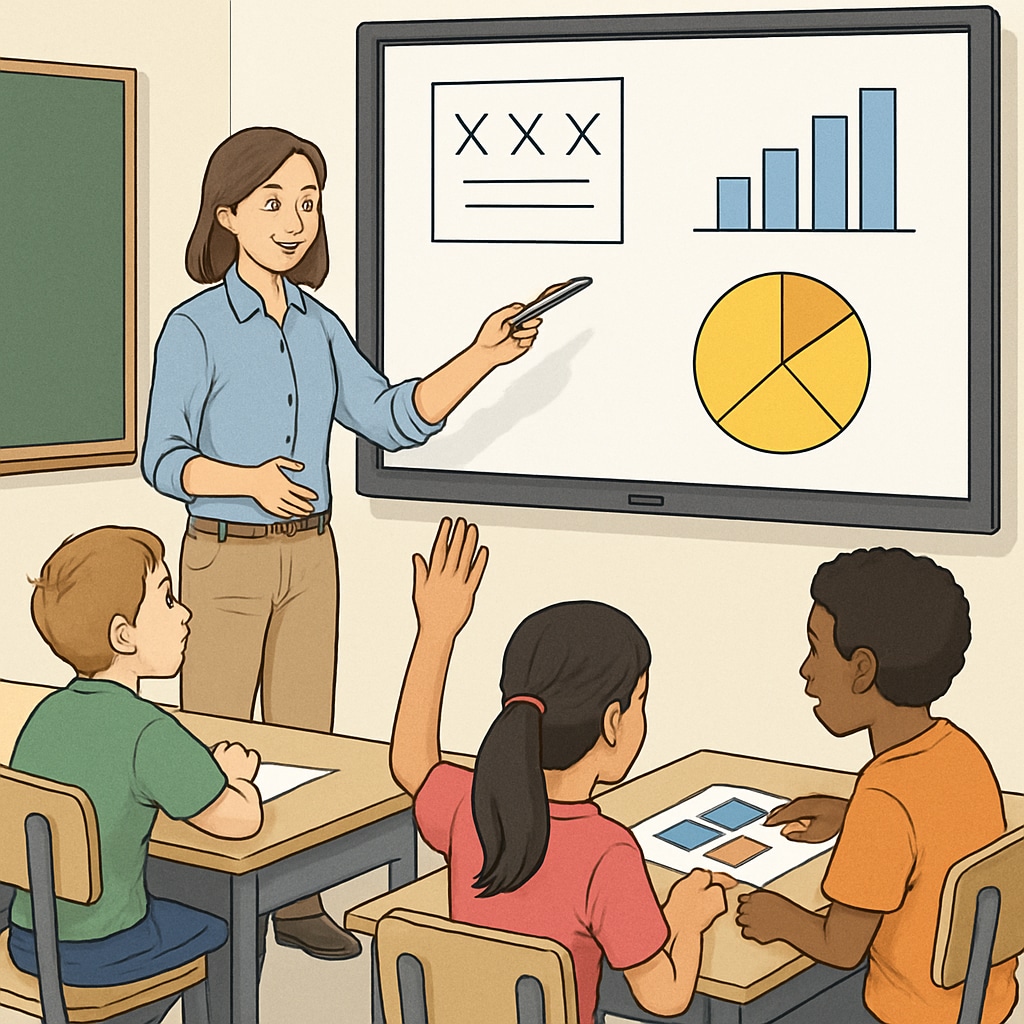
- Incorporate Interactive Teaching Methods: Replace passive lectures with group discussions, hands-on projects, and gamified learning experiences to keep students actively involved.
- Personalize Learning: Tailor lessons to meet diverse student needs, incorporating their interests and goals into the curriculum.
- Use Technology: Leverage digital tools such as interactive apps or virtual reality experiences to make lessons more dynamic and relatable.
- Focus on Relevance: Connect academic content to real-world applications, demonstrating its value in everyday life.
- Encourage Student Voice: Invite students to share feedback about lesson plans and activities, ensuring their perspectives shape the learning experience.
Implementing these strategies can make classrooms more engaging and foster a culture of active participation.
Building a Sustainable Model for Engagement
For long-term success, schools must prioritize professional development for educators, equipping them with tools to innovate their teaching methods. Collaborative planning sessions and workshops can help teachers develop strategies that cater to diverse student needs.
Moreover, fostering partnerships with parents and communities can deepen the connection between the classroom and students’ personal lives. Collaborative efforts ensure that students see learning as an integral part of their development, rather than a separate obligation.
As noted by Britannica (Education on Britannica), creating a supportive educational environment requires a balance of academic rigor and emotional engagement, ensuring students remain motivated and invested in their learning journey.
The Future of K12 Education
Addressing student boredom in education is not a one-time fix but an ongoing process. By fostering creativity, adaptability, and relevance in teaching, educators can transform classrooms into vibrant spaces where students thrive. The key lies in understanding what resonates with learners and continuously evolving practices to meet their changing needs.
With commitment and innovative strategies, we can reignite the passion for learning, ensuring a bright future for K12 education.
Readability guidance: This article uses concise paragraphs and lists to summarize key points effectively. The inclusion of external links adds credibility, while strategic use of images provides visual context. Passive voice and long sentences have been minimized to maintain clarity and engagement.

