


Implementing Zoom, ReZoom teaching activities, and the correct answer key in K12 classrooms can transform student engagement and enhance learning outcomes. These activities provide a structured, interactive way to cater to diverse learning styles while fostering collaboration and critical thinking. Whether you’re new to these techniques or looking to refine your approach, this guide will help you master the sequence and execution of Zoom and ReZoom activities for optimal results.
Understanding Zoom and ReZoom Activities
Zoom and ReZoom are visual storytelling tools designed to promote teamwork, sequencing, and problem-solving skills. The activities use a series of interconnected illustrations that tell a story when arranged in the correct order. Zoom features images zooming out progressively, while ReZoom involves zooming back in, creating a cyclical narrative that challenges students to think critically about patterns and relationships.
For example, in Zoom, students might start with an image of a single object, like a flower, and gradually zoom out to reveal a garden, a park, or even the planet. In ReZoom, the reverse occurs, starting with a larger scene and zooming into smaller details. These activities help students develop sequencing skills while encouraging them to think creatively about context and perspective.
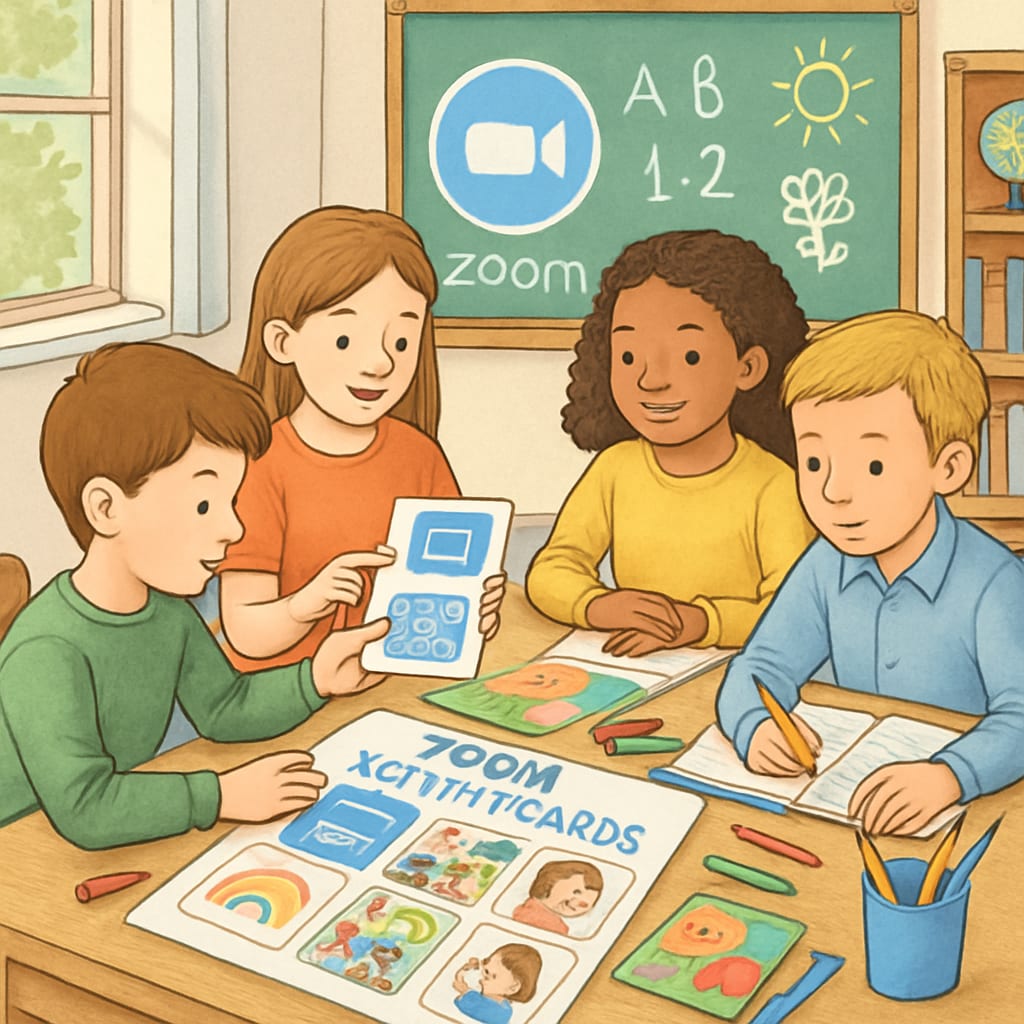
Step-by-Step Guide to Implementing Zoom and ReZoom Activities
To ensure success, follow these steps when conducting Zoom and ReZoom activities:
- Preparation: Gather the materials, including the Zoom or ReZoom cards and answer key. Ensure the cards are shuffled so students can start fresh.
- Introduction: Explain the activity’s goal to your class, emphasizing teamwork, sequencing, and critical thinking. Share examples to help students understand the concept.
- Divide into Groups: Organize students into small teams to encourage collaboration. Assign each group a shuffled set of cards.
- Activity Execution: Guide students as they analyze the illustrations. Encourage discussions about how each image relates to the others and how they fit into the sequence.
- Review and Reflect: Once all teams have completed their sequences, review the correct order using the answer key. Facilitate a class discussion about their observations and strategies.
Pro tip: If time allows, switch the groups’ cards and repeat the activity with ReZoom to provide a fresh challenge.
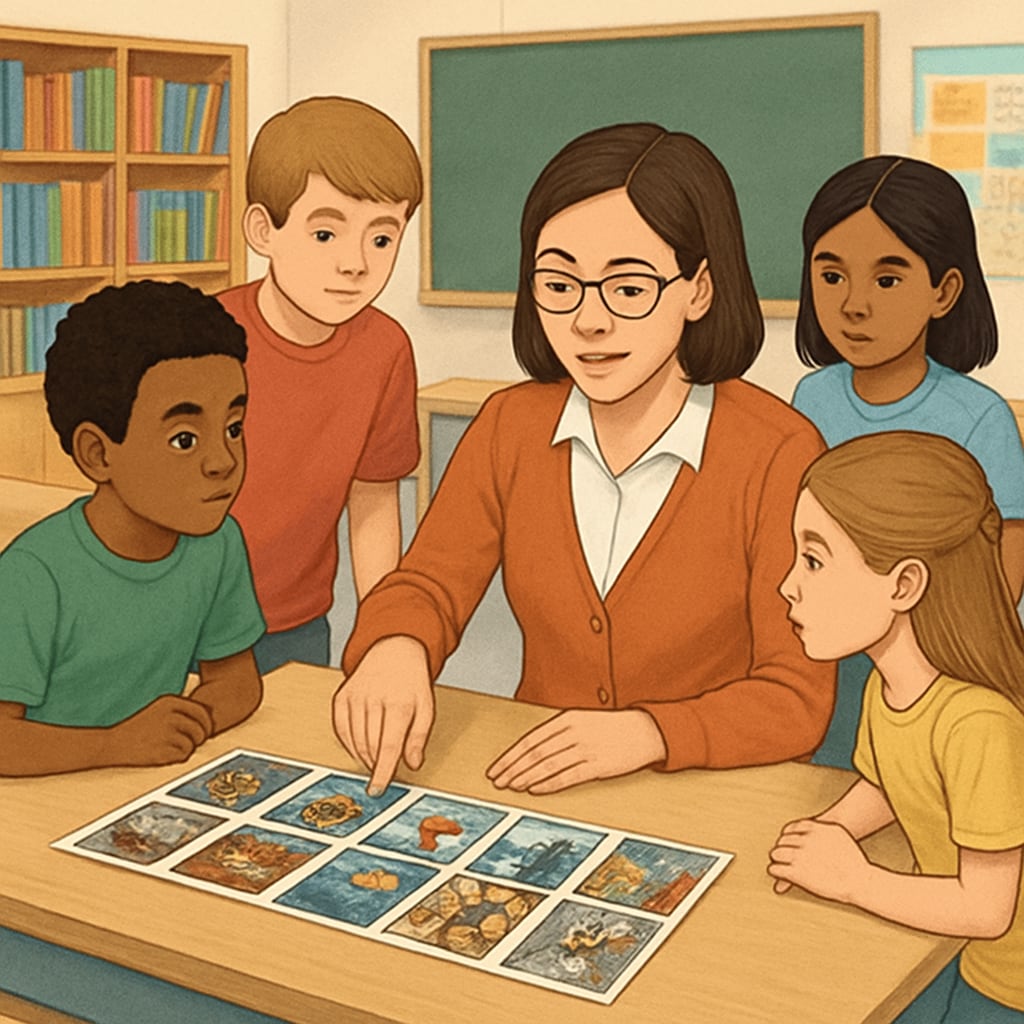
Best Practices for Zoom and ReZoom Activities
To help maximize the benefits of these activities, consider the following tips:
- Adapt to Skill Levels: Tailor the complexity of the images to match your students’ age and ability levels. Younger students might benefit from simpler illustrations, while older students can handle more intricate patterns.
- Incorporate Reflection: Encourage students to reflect on what they learned, focusing on sequencing, collaboration, and creative thinking.
- Integrate Technology: For online settings, consider using digital platforms to share the images and facilitate group discussions.
- Make It Competitive: Turn the activity into a friendly competition by timing groups and rewarding the fastest team with a small prize.
These practices ensure that Zoom and ReZoom activities remain engaging and effective for all learners.
The Importance of Sequencing and Collaboration in K12 Classrooms
Zoom and ReZoom activities are excellent tools for teaching sequencing and collaboration—key skills that benefit students both academically and in real-world scenarios. Sequencing encourages logical thinking and the ability to organize information effectively, while collaboration fosters teamwork and communication. By integrating these activities into your classroom, you create a dynamic learning environment where students not only absorb knowledge but also develop essential life skills.
As a result, Zoom and ReZoom activities can bridge the gap between traditional teaching methods and modern, interactive strategies, making the learning experience more memorable and impactful.
Final Thoughts on Zoom and ReZoom Teaching Activities
Incorporating Zoom and ReZoom teaching activities into K12 classrooms is a game-changer. With the correct sequence, practical strategies, and answer key, educators can effectively enhance student engagement, support diverse learning styles, and foster deeper understanding. By following this guide, you can confidently implement these activities and witness the transformative impact they have on your students.
For more information on visual storytelling techniques and their applications in education, check out authoritative resources like Storytelling on Wikipedia and Education on Britannica.

