Student boredom in classrooms is an issue that transcends borders, affecting K12 education environments globally. A growing body of cross-country research highlights that disengagement is not confined to any one region but is a widespread phenomenon. This article seeks to uncover the primary causes of boredom in classrooms, its impact on learning outcomes, and how innovative teaching methodologies can help combat this issue.
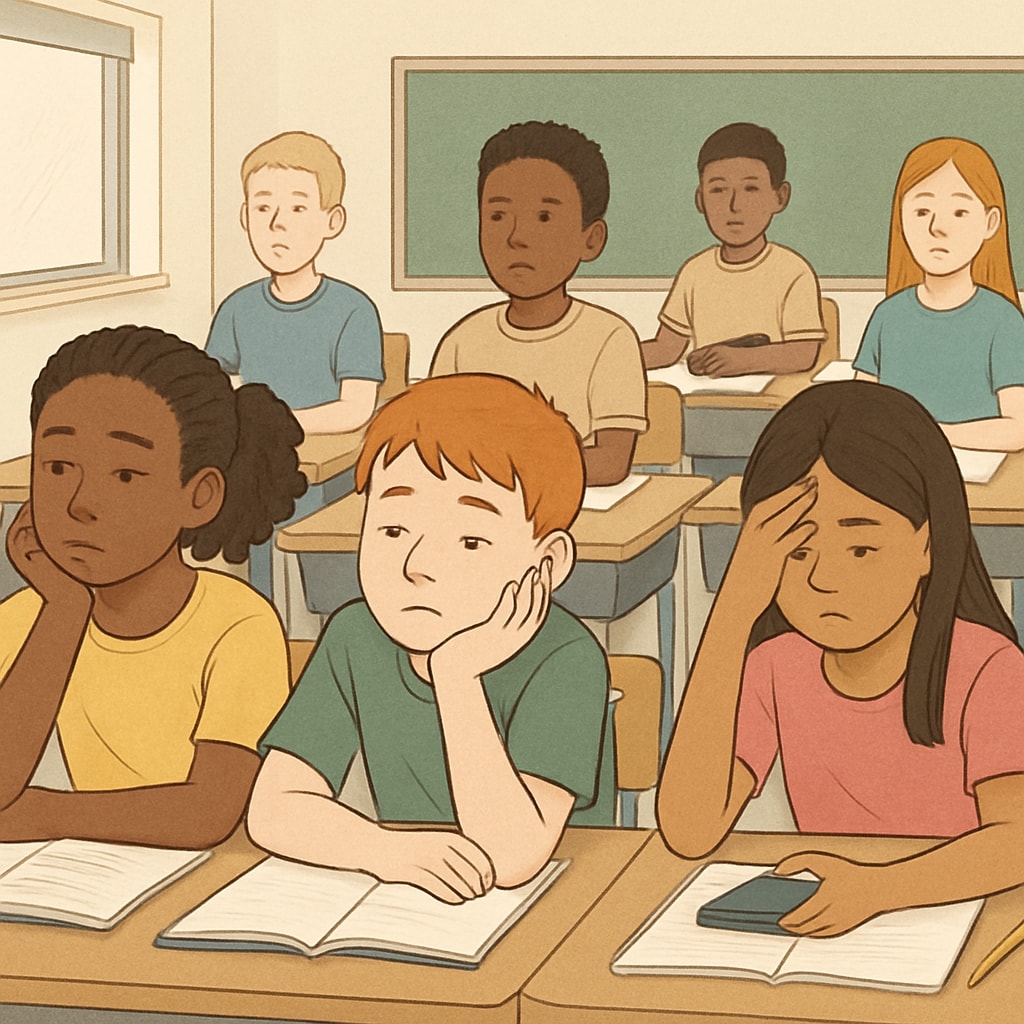
Understanding the Causes of Student Boredom in K12 Education
Boredom in the classroom can stem from a variety of factors, including outdated teaching methods, lack of connection to real-world applications, and the rigidity of standardized curricula. According to a comprehensive study on education, students often feel unengaged when lessons fail to resonate with their interests or appear overly repetitive. Additionally, the one-size-fits-all approach prevalent in many educational systems leaves little room for personalization, further exacerbating the issue.
Socioeconomic factors also play a significant role. In countries with limited resources, overcrowded classrooms and undertrained teachers can contribute to an uninspiring learning environment. On the other hand, in developed nations, overemphasis on test performance often results in rote memorization, leaving students disconnected from the joy of learning.
The Global Impact of Student Disengagement
Student boredom has far-reaching consequences. Disengaged learners are less likely to retain information, perform well academically, or develop critical thinking skills. According to a report on educational psychology, chronic boredom can lead to higher dropout rates, particularly in underserved communities.
Moreover, the emotional toll of boredom cannot be ignored. Prolonged disengagement can lead to a lack of self-esteem, increased anxiety, and in some cases, behavioral issues. These effects not only hinder the individual’s academic journey but also have long-term implications for workforce readiness and societal innovation.
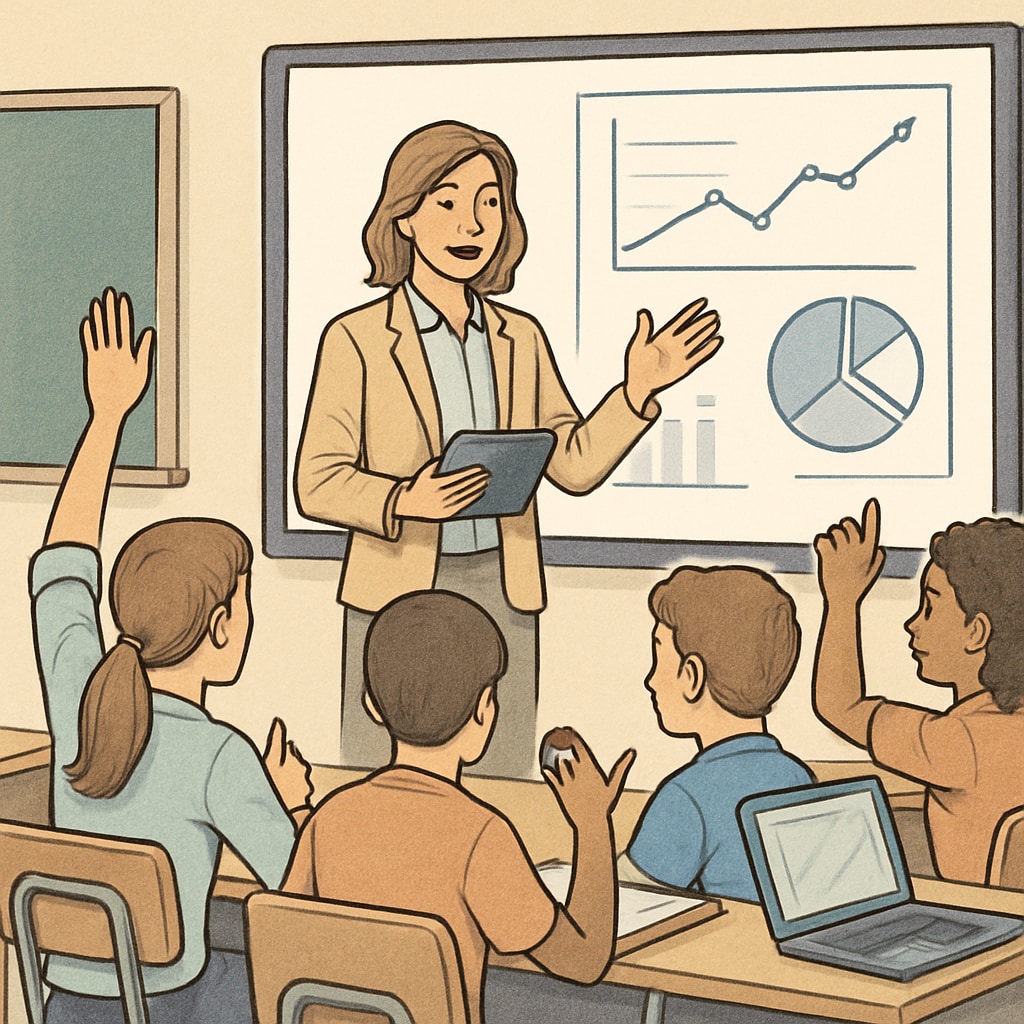
Innovative Solutions to Reduce Boredom in Classrooms
To address student disengagement, educators must adopt strategies that prioritize engagement and active participation. Here are some proven approaches:
- Interactive Learning: Incorporating tools like gamified lessons and digital platforms can make learning more engaging and relatable.
- Personalized Education: Tailoring lessons to individual student needs and interests fosters a sense of relevance and motivation.
- Project-Based Learning: Encouraging students to solve real-world problems through collaborative projects enhances critical thinking and application.
- Flexible Curricula: Allowing room for creativity and exploration within the curriculum can help sustain interest over time.
Furthermore, professional development for educators is crucial. Teachers equipped with innovative pedagogical methods are better positioned to create dynamic and inclusive classrooms that reduce boredom.
A Call to Action for Global Education Systems
Addressing student boredom requires a collective effort from educators, policymakers, and communities. By fostering environments that celebrate curiosity and adaptability, we can transform classrooms into spaces where students thrive. As research continues to shed light on this global issue, it is imperative to implement evidence-based solutions that empower every learner.
Ultimately, reducing boredom in classrooms is not just about improving academic outcomes; it’s about nurturing a generation of engaged, inspired, and lifelong learners.
Readability guidance: This article uses concise paragraphs, clear headings, and lists to enhance readability. Active voice is prioritized, and transitions like “however,” “in addition,” and “as a result” are used throughout for cohesion.