Boredom in classrooms is a persistent issue across K-12 education, posing challenges to both students and educators. The lack of engagement in the classroom environment not only hinders learning outcomes but also impacts students’ overall psychological well-being. This article delves into the root causes of classroom boredom, analyzing factors such as teaching methods, curriculum design, and individual differences among students. By understanding these causes, educators can take proactive steps to transform the classroom experience and foster a more engaging educational environment.
Understanding the Scope of Classroom Boredom
Boredom in education is not an isolated phenomenon. Studies conducted in multiple countries reveal that a significant proportion of students experience disengagement during lessons. According to a 2021 report by the American Psychological Association, nearly 40% of high school students admitted to feeling bored in most of their classes. Similarly, a study published by Britannica highlights that boredom is a leading factor contributing to declining academic performance and increased dropout rates.
But why do students feel bored? At its core, boredom arises when there is a mismatch between a student’s expectations and the actual classroom experience. This can stem from monotonous teaching styles, overly rigid curricula, or the lack of opportunities for active participation. To address this, educators need to first understand the specific triggers of boredom within their classrooms.
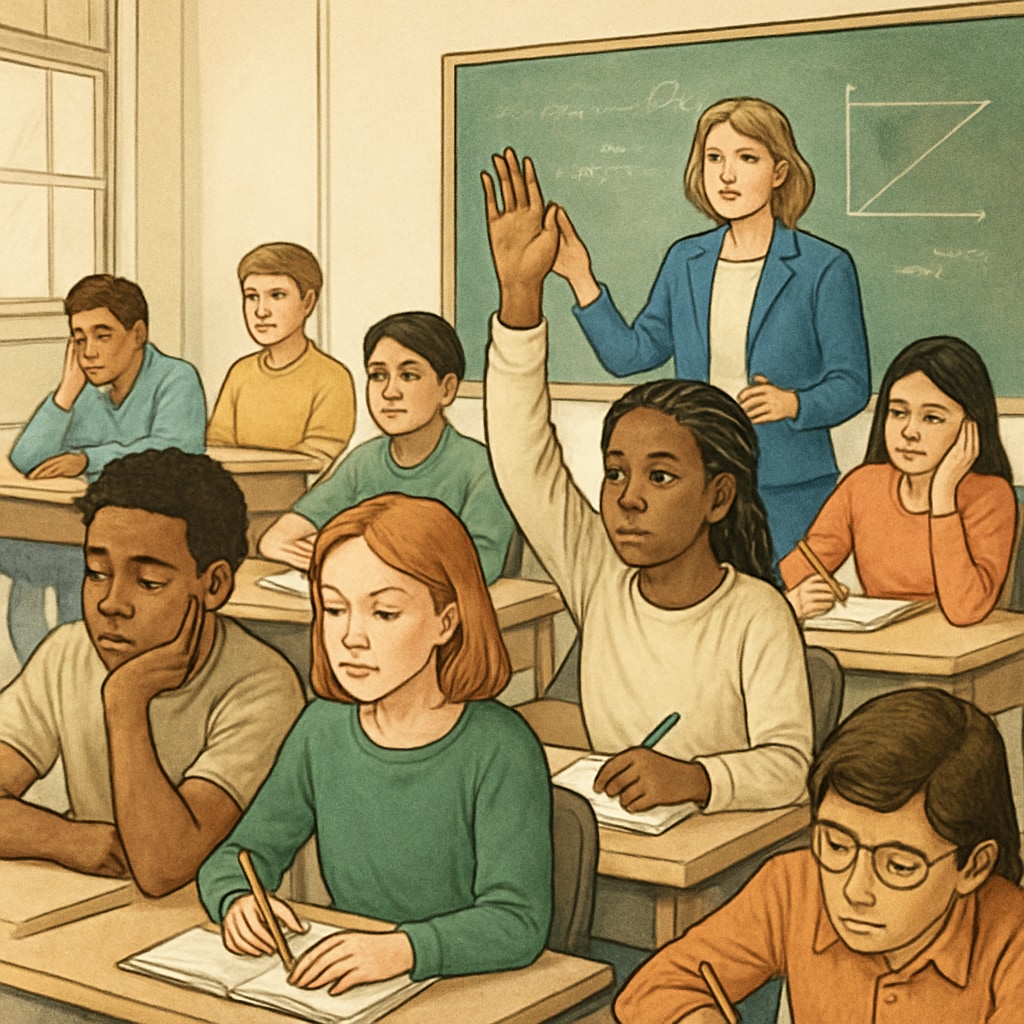
Key Causes of Boredom in K-12 Classrooms
Several factors contribute to the prevalence of boredom in educational settings. Below are some of the most common causes:
- Teaching Methods: Traditional lecture-based approaches often fail to capture students’ attention, especially in an era where multimedia and interactive tools are readily available.
- Curriculum Design: Overly standardized or rigid curricula can alienate students by not addressing their unique interests or learning paces.
- Lack of Autonomy: When students feel they have no control over their learning journey, they are more likely to disengage.
- Individual Differences: Every student learns differently. A one-size-fits-all approach to teaching neglects diverse learning needs and styles.
For example, while some students thrive in group discussions, others may prefer hands-on activities or independent research. Ignoring these differences can lead to a classroom environment that feels irrelevant or uninspiring to many learners.
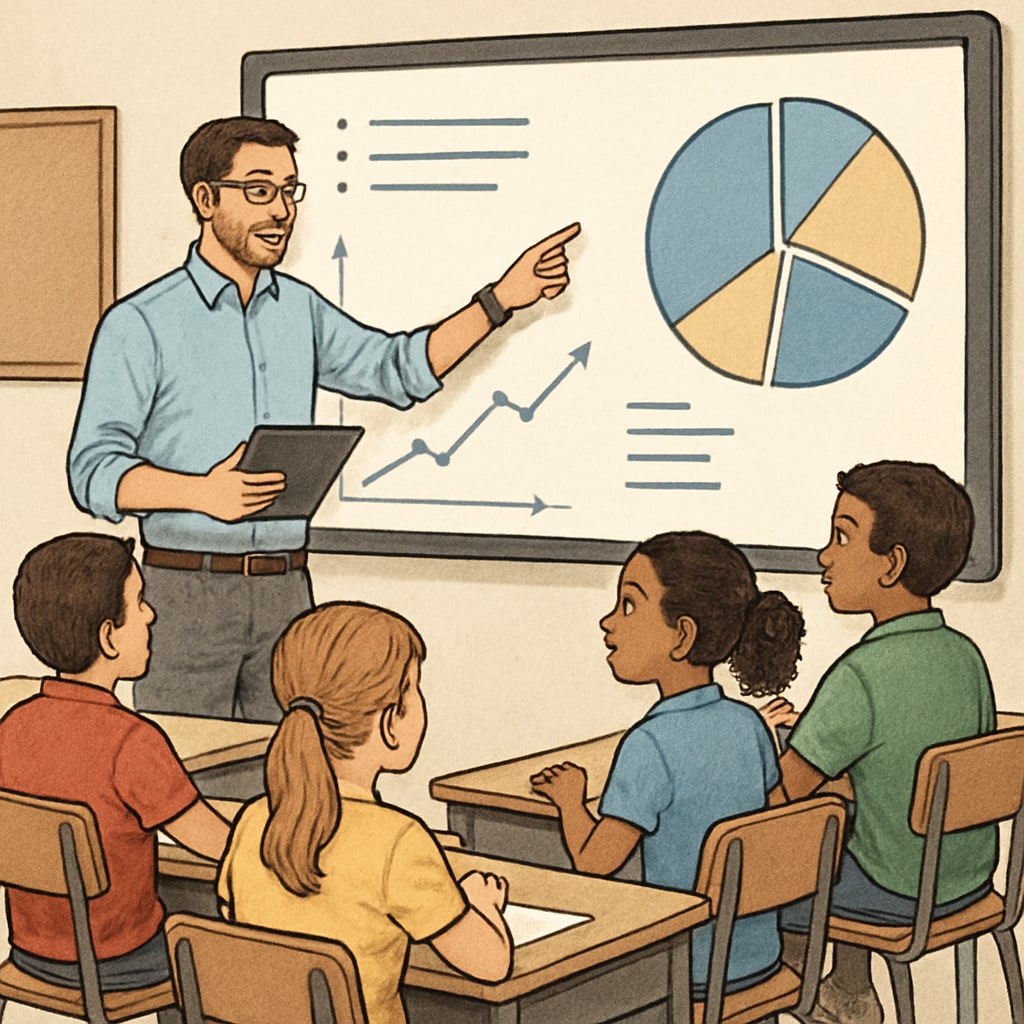
Strategies to Combat Classroom Boredom
Addressing boredom requires a multifaceted approach that considers both the structural and human elements of education. Below are some strategies educators can adopt:
- Incorporate Interactive Learning: Use technology, group projects, and multimedia resources to make lessons dynamic and engaging.
- Personalize Learning: Adapt teaching methods to accommodate students’ individual preferences and strengths.
- Encourage Active Participation: Foster an environment where students feel comfortable sharing ideas and asking questions.
- Provide Real-World Context: Relate lessons to real-life scenarios to demonstrate their practical value and relevance.
- Seek Continuous Feedback: Regularly ask students for their input on the teaching process and make adjustments as needed.
By implementing these strategies, educators can create a classroom atmosphere that not only reduces boredom but also promotes curiosity and enthusiasm for learning.
The Role of Educators in Shaping Classroom Experiences
Ultimately, educators play a pivotal role in determining the quality of the classroom experience. Teachers who are passionate, empathetic, and willing to innovate can significantly reduce the incidence of boredom among their students. In addition, schools and policymakers should provide the necessary training and resources to support teachers in this endeavor.
It is also crucial for educators to recognize the importance of mental health in education. A student’s emotional state has a direct impact on their ability to learn effectively. By fostering a supportive and stimulating environment, educators can help students overcome psychological barriers and unlock their full potential.
Conclusion: Boredom in classrooms is a complex issue with far-reaching implications for K-12 education. While the causes may vary, the solutions lie in adopting more student-centered and adaptive teaching practices. By addressing the underlying factors contributing to disengagement, educators can create a more inclusive and engaging educational environment where every student has the opportunity to thrive.
For further reading, explore resources such as the Education page on Wikipedia or studies on effective teaching methods in modern classrooms.