


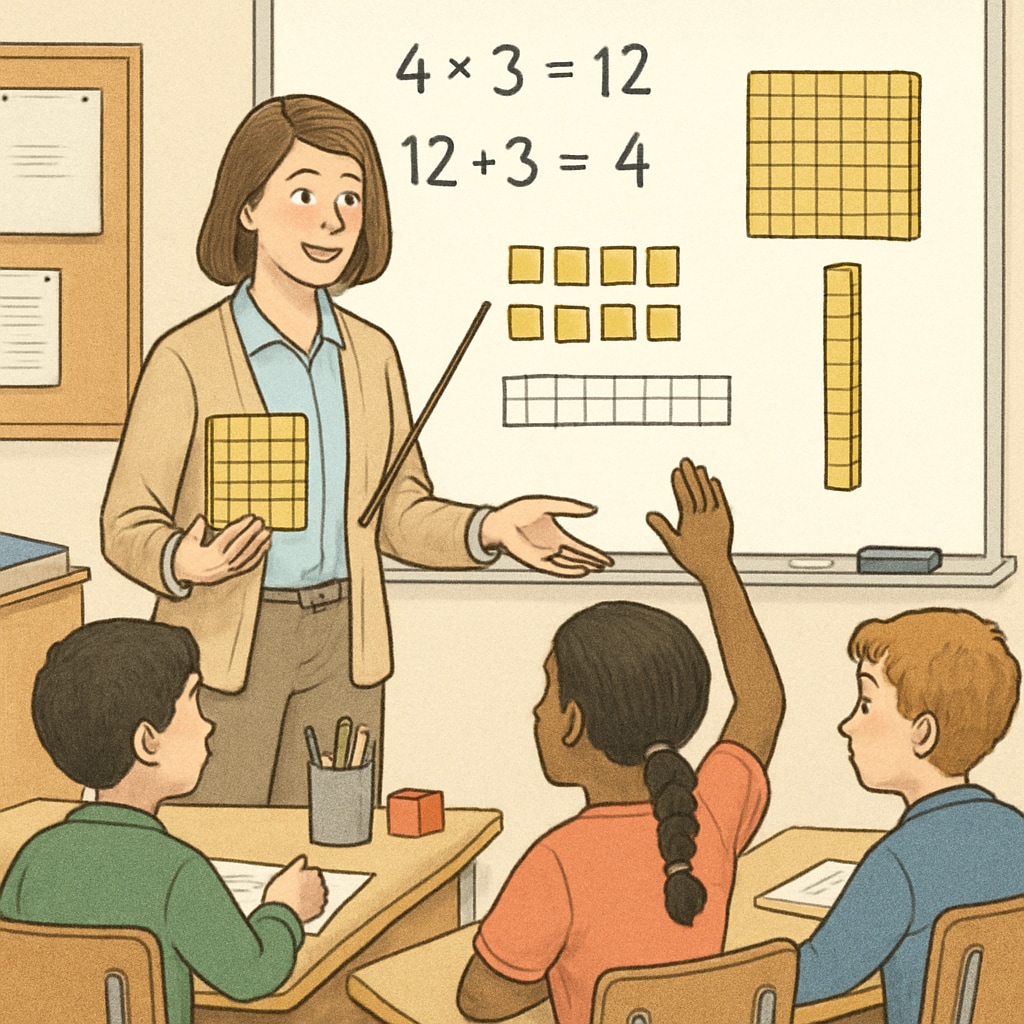
When students ask, “Why do we need to learn math?” educators often default to the standard response: “You’ll need it for a job” or “You’ll use it in the future.” While these answers highlight the practical utility of math, they often fail to resonate with students who struggle to see its relevance. To truly address such doubts, educators must shift their focus. By reframing mathematics as a tool for understanding the world, fostering critical thinking, and enhancing problem-solving skills, teachers can create intrinsic motivation and a more engaging learning environment. This approach not only improves classroom dynamics but also cultivates lifelong appreciation for math.
Understanding Students’ Resistance to Math
To effectively respond to students questioning the necessity of math, educators must first understand the root of their resistance. Often, such doubts stem from a lack of perceived relevance in their daily lives or frustration with its complexity. For example, a student may feel disconnected from abstract concepts like algebra or geometry because they don’t see how it applies to their personal goals or interests.
Additionally, students may feel overwhelmed by the subject’s rigor, leading to avoidance rather than engagement. As a result, addressing this issue requires empathy, patience, and a deliberate effort to bridge the gap between math and students’ lived experiences.
Connecting Math to Real-Life Scenarios
One of the most effective ways to address skepticism is by demonstrating how math is intertwined with everyday life. From budgeting personal finances to planning travel itineraries, mathematics plays a vital role in decision-making. Teachers can integrate real-world examples into lessons, such as calculating discounts during shopping or analyzing data in sports statistics.
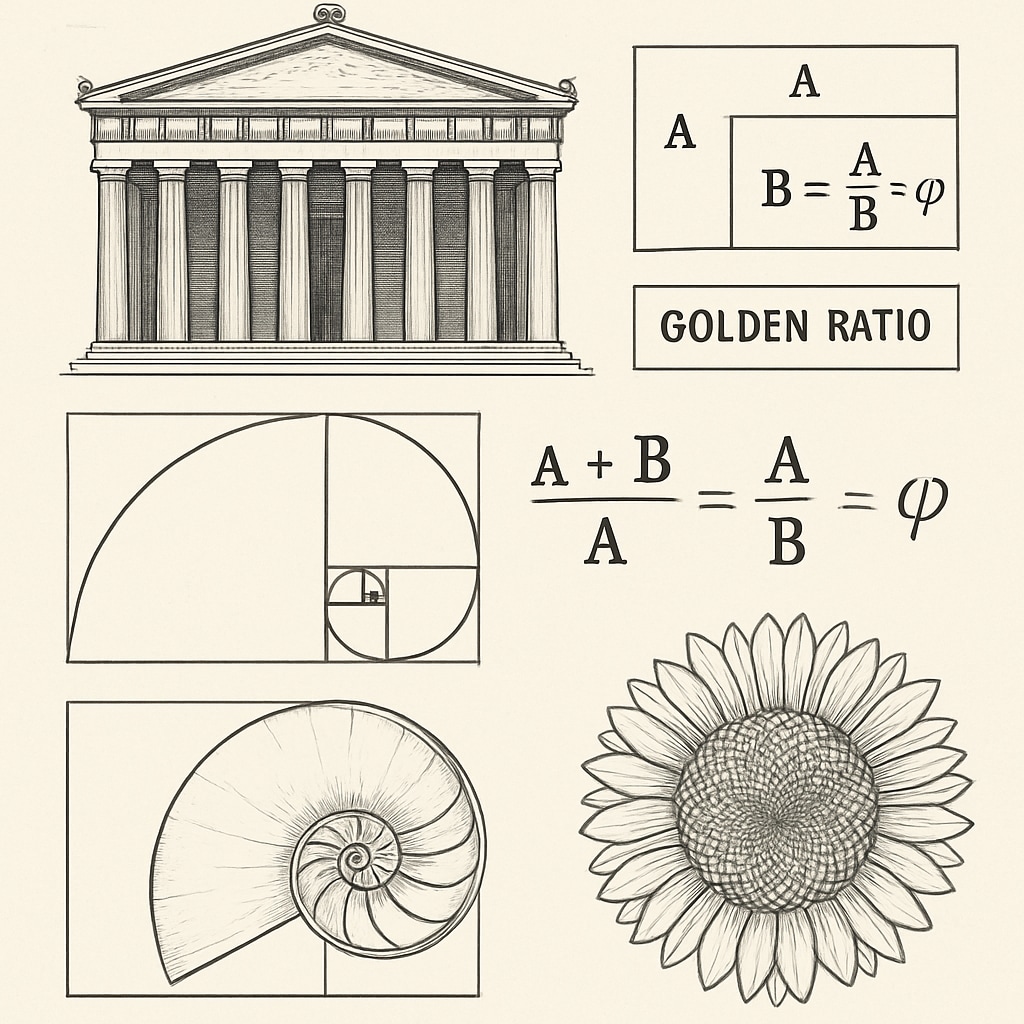
Moreover, highlighting historical applications of math—such as architecture (e.g., the use of the golden ratio) or scientific discoveries—can spark curiosity. For example, educators can reference the Golden ratio on Wikipedia to show how math shapes art and nature. This approach helps students realize that math is not just a theoretical subject but a practical tool they already use unknowingly.
Fostering Intrinsic Motivation Through Critical Thinking
While real-life applications are essential, intrinsic motivation—the drive to learn for personal growth and satisfaction—can transform how students perceive math. By emphasizing math as a way to develop critical thinking and problem-solving skills, educators can inspire students to see its broader value. For instance, solving complex equations teaches persistence, logical reasoning, and creativity, which are transferable skills across all areas of life.
Encourage students to approach math as a mental exercise rather than a required task. Gamifying lessons or introducing puzzles can make learning entertaining and intellectually stimulating. For example, collaborative activities like escape rooms or logic games can turn abstract concepts into tangible challenges.
Practical Strategies for Engaging Students
Here are actionable teaching strategies to make math more appealing:
- Use Technology: Interactive tools like math apps and simulations can help visualize abstract concepts.
- Incorporate Interests: Relate math problems to hobbies such as sports, music, or video games.
- Celebrate Small Wins: Reward progress to build confidence and reduce anxiety toward math.
- Collaborative Learning: Group activities encourage peer support and make learning less intimidating.
By implementing these strategies, educators can gradually shift students’ attitudes and make math feel less like a chore and more like an opportunity for discovery.
Transforming Classroom Dynamics
Reframing the value of math is not just about answering students’ questions—it’s about creating a culture where math is seen as empowering. Teachers who focus on connection, curiosity, and relevance can reshape classroom dynamics. As a result, students are more likely to engage actively, challenge themselves, and develop a positive mindset toward learning.
Ultimately, the goal is to help students move beyond the notion of “I’ll use it later” to appreciating math as a tool for navigating life. By doing so, educators can nurture confident, curious learners who see math not as an obstacle but as an opportunity.
Readability guidance: Use short paragraphs, practical examples, and lists to simplify complex ideas. Include transitions like “however,” “therefore,” and “for example” to enhance flow. Ensure active voice dominates for clarity and engagement.

