


When students ask, “Why do we need to learn math?” educators often respond with the practical argument that math is useful for future careers or everyday tasks. However, relying solely on this explanation often fails to address the deeper psychological reasons behind students’ resistance. To truly engage learners, educators must reshape the narrative surrounding mathematics education, focusing on its broader value and impact. This article explores strategies for enhancing learning motivation and implementing effective teaching techniques.
Understanding the Psychology Behind Student Doubts
Students questioning the value of mathematics often express underlying concerns, such as a lack of connection between math and their personal lives or frustrations over perceived difficulty. Addressing these doubts requires empathy and a deeper understanding of their mindset.
For example, students may feel that math is abstract and disconnected from their real-world experiences. Therefore, educators should aim to bridge this gap by demonstrating how mathematical concepts influence various aspects of daily life, such as technology, nature, and decision-making.
- Empathy: Acknowledge students’ frustrations and validate their feelings to build trust.
- Relevance: Use examples that resonate with their interests, such as sports statistics or art design.
- Encouragement: Foster a growth mindset, emphasizing that challenges are opportunities for development.

Strategies to Inspire Intrinsic Motivation for Mathematics
To foster intrinsic motivation—the internal desire to learn—educators must go beyond the traditional “you’ll use it later” argument. Instead, focus on cultivating curiosity, creativity, and critical thinking skills through mathematics education.
Real-World Applications: Introduce projects and examples that directly connect math to everyday life. For instance, show how math is used to design algorithms behind popular apps or optimize financial budgets. Students are more likely to engage when they see immediate relevance.
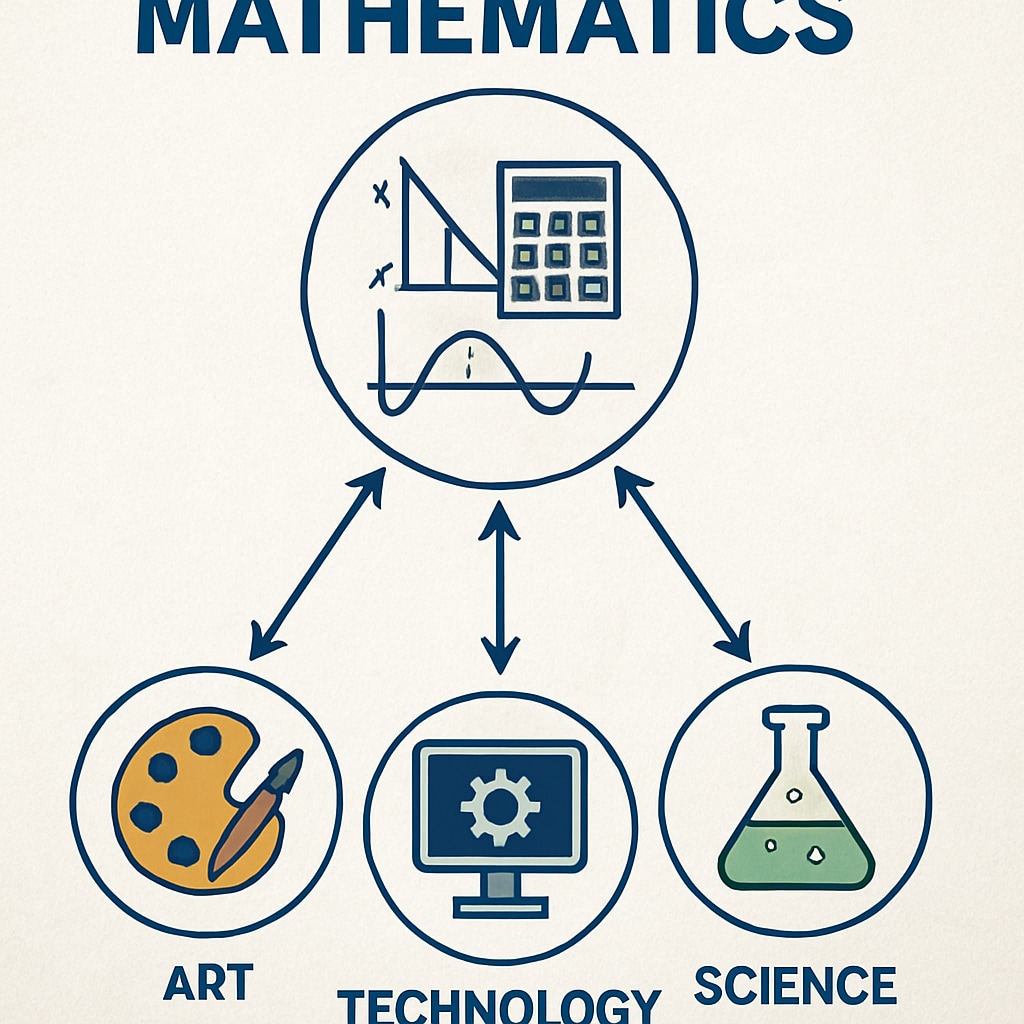
Interdisciplinary Learning: Combine math with other subjects like science, art, or history to demonstrate its universal importance. For example, explore the Golden Ratio and its role in art and architecture.
Gamification: Use games and interactive tools to make math less intimidating and more enjoyable. Platforms like Kahoot or Mathletics can help spark interest and improve problem-solving skills.
When these strategies are implemented, students begin to see mathematics not just as a school subject but as a tool for understanding and shaping the world around them.
Transforming Classroom Dynamics Through Innovative Teaching
To create a classroom environment where students feel motivated and engaged, educators should adopt innovative teaching approaches that prioritize collaboration, creativity, and exploration.
- Collaborative Learning: Encourage group activities where students solve real-world problems together. Collaboration builds social skills and makes learning more interactive.
- Inquiry-Based Learning: Allow students to ask questions and explore answers through research and experimentation. This approach nurtures curiosity and critical thinking.
- Personalized Feedback: Provide constructive and individualized feedback to help students recognize their progress and areas for improvement.
Over time, such methods establish a positive classroom culture where students approach mathematics with curiosity and confidence, rather than apprehension.
Conclusion: Redefining the Value of Mathematics
Ultimately, the key to addressing students’ doubts about mathematics lies in shifting perspectives. By connecting math to their lives, inspiring intrinsic motivation, and transforming classroom experiences, educators can help students recognize the subject’s true value. Mathematics is not just a tool for career success; it is a gateway to understanding the world, solving problems, and thinking critically. By adopting these strategies, educators can foster a lifelong appreciation for mathematics that extends far beyond the classroom.
Readability guidance: Use concise paragraphs, relatable examples, and a conversational tone to engage readers. Distribute keywords evenly and ensure smooth transitions between sections.

