Across multiple countries, research on “student boredom, education research, cross-country data” has revealed a startling trend: students from middle school to university frequently experience boredom in educational environments. This phenomenon represents a hidden crisis that undermines learning quality and academic achievement. By examining global data patterns, underlying causes, and potential solutions, we can gain valuable insights into how education systems might better engage students.
Examining Cross-Country Data on Student Boredom
Global studies have consistently shown high levels of boredom among students. For example, a report from the OECD (Organisation for Economic Co-operation and Development) found that over 50% of students in secondary schools across member nations reported feeling disengaged during lessons. Similarly, a survey conducted by Gallup revealed that by high school, approximately 74% of American students felt bored daily.
Another significant aspect of this issue is its prevalence in higher education. According to Britannica’s overview of higher education, university students worldwide report boredom due to unengaging lectures, outdated teaching methods, and a lack of applied learning opportunities. These findings emphasize the need for systemic changes in both secondary and post-secondary institutions.
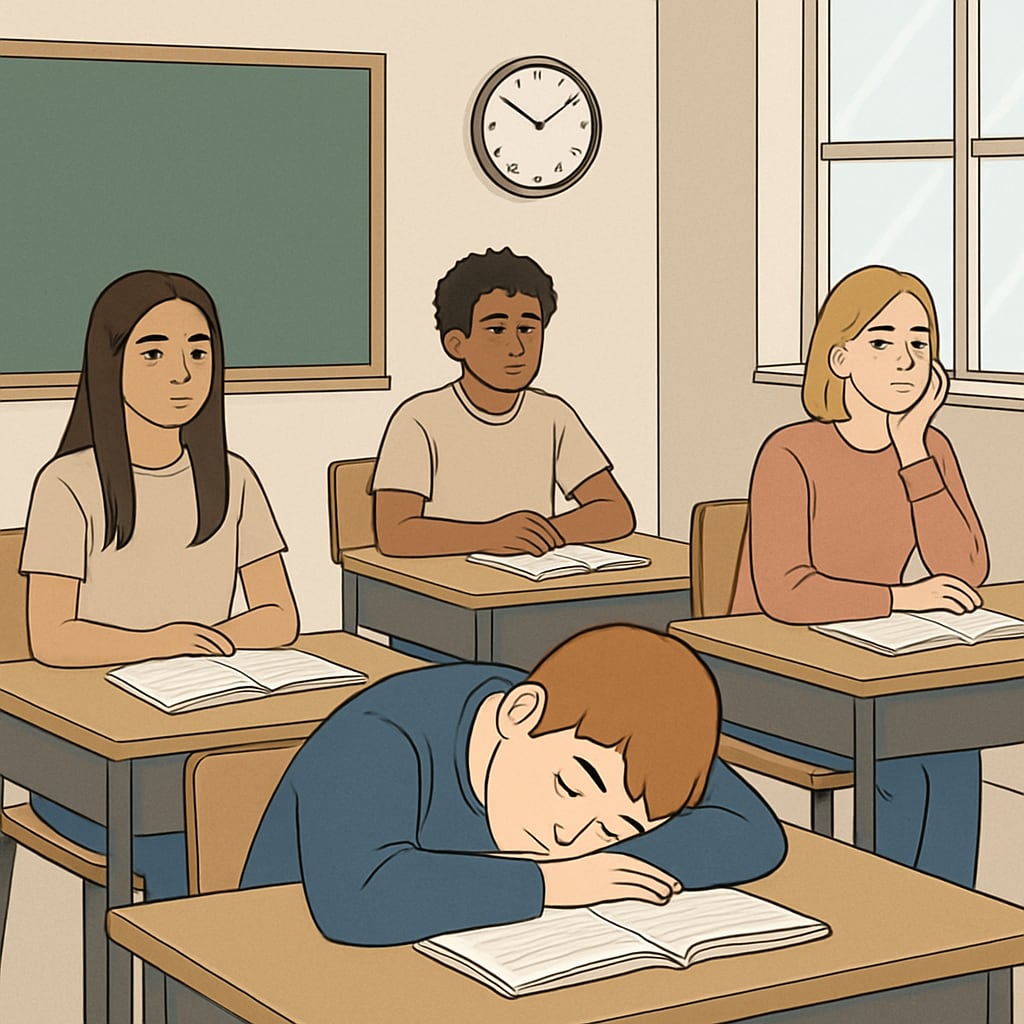
Causes of Student Boredom in Educational Settings
The root causes of student boredom are multifaceted, often stemming from a combination of systemic, instructional, and psychological factors:
- Monotonous teaching methods: Traditional lecture-based instruction often fails to captivate students, leading to disengagement.
- Curriculum rigidity: Lack of flexibility in curriculum design can limit opportunities for personalized or interest-driven learning.
- Overemphasis on rote memorization: Students frequently cite rote learning as uninteresting and disconnected from real-world applications.
- Technology distractions: Smartphones and social media have become significant competitors for students’ attention in classrooms.
Psychological factors such as stress, lack of sleep, and mental health challenges also contribute to reduced attention spans and heightened boredom. For example, researchers at Stanford University found that sleep deprivation among students significantly impacts their ability to concentrate and engage in the classroom.
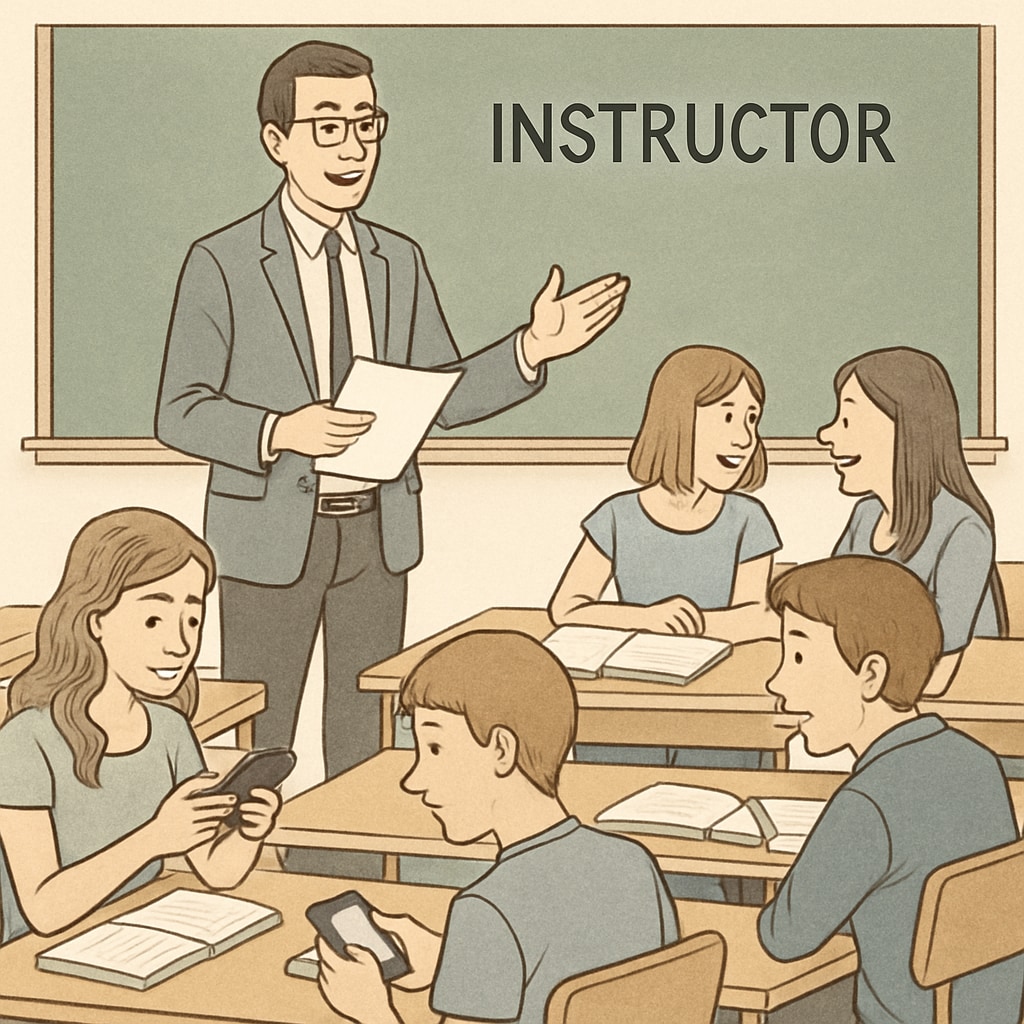
Implications for Educational Reform
The widespread boredom reported by students carries serious implications for education systems worldwide. Boredom not only affects academic performance but also contributes to higher dropout rates and lower motivation for lifelong learning. Addressing this issue requires innovative approaches to teaching, curriculum design, and classroom management. Here are some strategies educators and policymakers can consider:
- Interactive learning: Incorporate hands-on projects, group discussions, and problem-solving exercises to make lessons more engaging.
- Technology integration: Use educational technologies, such as gamified learning apps or virtual simulations, to capture students’ interest.
- Personalized education: Adapt learning materials to match individual student interests and strengths, fostering a sense of relevance.
- Teacher training: Invest in professional development programs to help educators adopt modern, student-centered teaching methods.
As a result, fostering engagement in classrooms not only improves academic outcomes but also prepares students for real-world challenges. According to Wikipedia’s article on education, the ultimate goal of learning is to empower individuals to think critically, solve problems, and contribute to society—objectives that cannot be achieved in an environment plagued by boredom.
In conclusion, the issue of student boredom in educational settings deserves urgent attention from educators, researchers, and policymakers. By addressing its causes and implementing targeted reforms, we can transform classrooms into spaces where students feel inspired, challenged, and motivated to learn.
Readability guidance: Use concise paragraphs and lists to summarize key points. Avoid overly technical language and ensure smooth transitions between ideas. Incorporate external links and images to enhance readability and provide context.