The use of Zoom/ReZoom activities, teaching materials, and sequence guidelines in K-12 education has grown significantly in recent years. These interactive tools are designed to foster engagement and collaboration while encouraging critical thinking and problem-solving skills. However, implementing these activities can present challenges, particularly when teachers struggle with maintaining the correct sequence for optimal learning outcomes. This article provides a systematic guide to reconstructing the sequence of Zoom and ReZoom activities, ensuring educators can maximize their impact in the classroom.
Understanding Zoom and ReZoom Activities
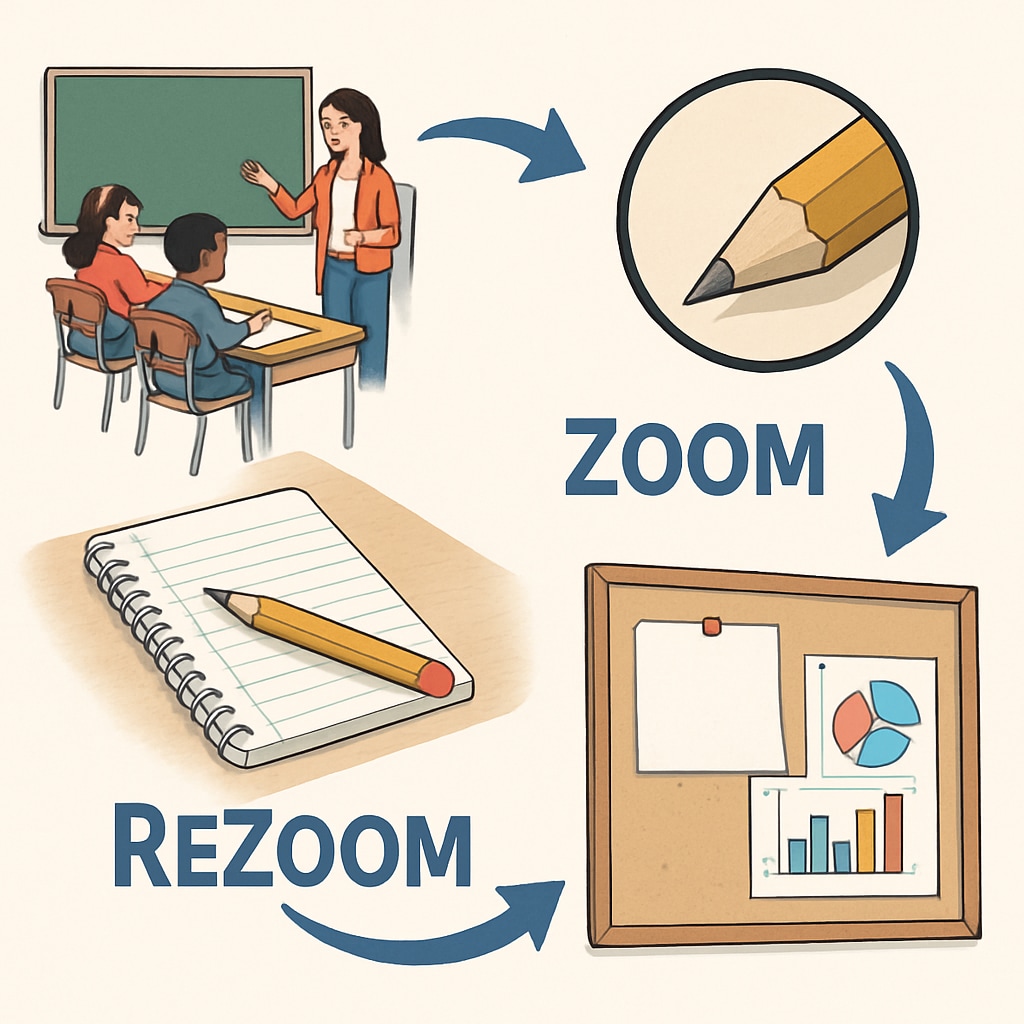
Zoom and ReZoom activities are interactive learning tools based on storytelling and sequencing. Zoom involves a series of visual images that gradually zoom out, revealing a bigger picture that connects to a broader theme or concept. ReZoom reverses this process, zooming in from a larger context to focus on specific details. Both activities encourage students to think critically, collaborate, and explore perspectives.
These activities are particularly effective in K-12 classrooms, as they align with key educational goals such as fostering creativity, building teamwork, and developing problem-solving skills. For example, educators might use Zoom to teach environmental awareness by starting with a close-up of a plant leaf and progressively zooming out to reveal a forest ecosystem. ReZoom, conversely, can be used for narrative writing, where students start with a general story theme and zoom in to develop specific characters and plot details.
Common Challenges in Activity Sequence
Despite their benefits, teachers often face challenges in implementing Zoom and ReZoom activities. One of the most common issues is the disruption of sequence. When the order of images or concepts is misaligned, students may struggle to connect ideas, reducing the effectiveness of the activity. Additionally, time constraints and varying student engagement levels can further complicate the process.
To address these challenges, educators need a clear and systematic approach to organizing these activities. This involves careful planning, selecting appropriate teaching materials, and maintaining a logical flow from one image or concept to the next. Without proper sequence guidelines, the transformative potential of Zoom and ReZoom activities can be diminished.
Reconstructing the Sequence: A Step-by-Step Guide
To help educators optimize the use of Zoom and ReZoom activities, below is a step-by-step guide to reconstructing the sequence:
- Define Objectives: Identify the learning goals you aim to achieve with the activity. Are you fostering critical thinking, promoting teamwork, or teaching a specific concept?
- Choose Relevant Materials: Select images or concepts that align with your objectives. Ensure the materials are age-appropriate and engaging.
- Organize the Sequence: Arrange the images or ideas in a logical order. For Zoom activities, ensure the progression moves from specific details to broader contexts. For ReZoom, start with the general concept and zoom in on details.
- Test the Flow: Before presenting the activity to students, test the sequence yourself or with colleagues to ensure it creates a coherent narrative.
- Facilitate Engagement: During the activity, encourage student participation and discussion. Ask open-ended questions to prompt critical thinking and collaboration.
- Reflect and Adjust: After the activity, gather feedback from students and assess whether the sequence achieved the intended learning objectives. Make adjustments as needed for future implementation.
Practical Tips for Educators
In addition to following the sequence guide, educators can use the following tips to enhance the effectiveness of Zoom and ReZoom activities:
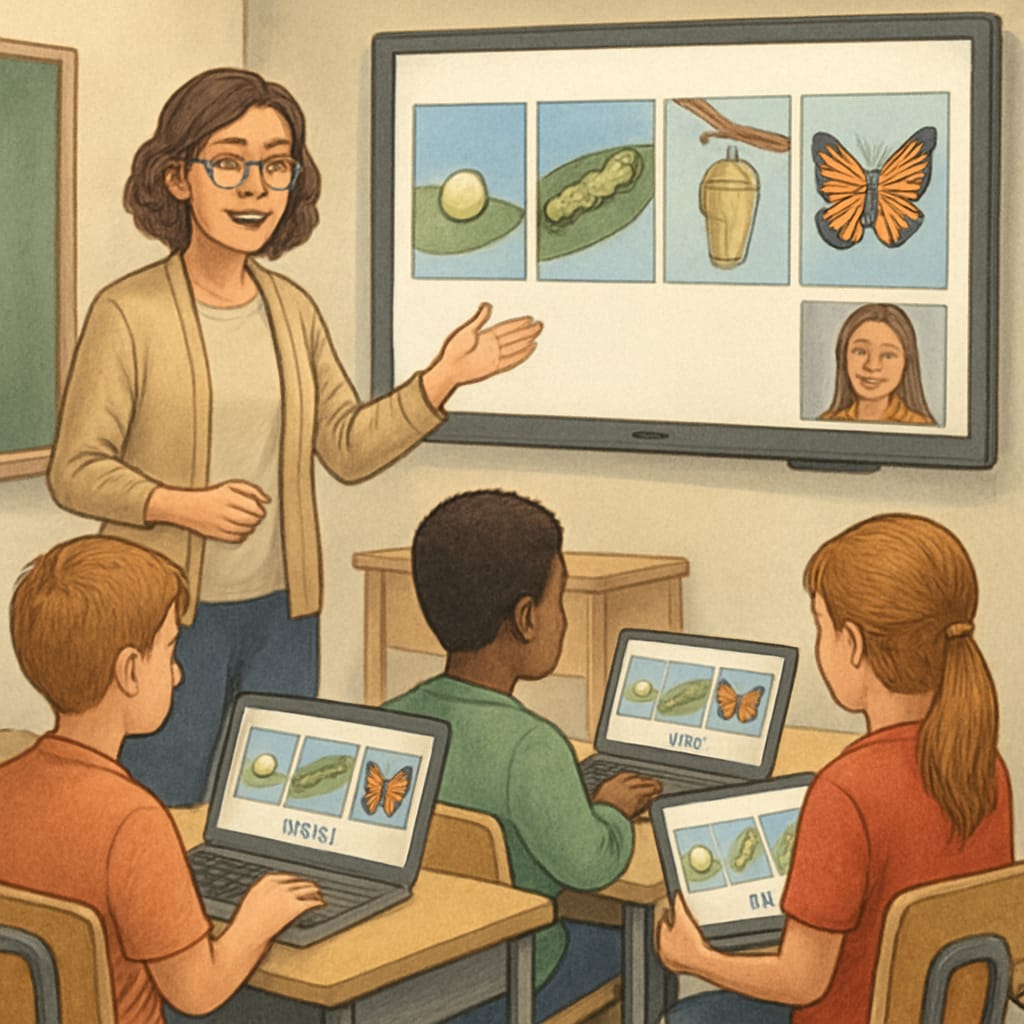
- Use Technology: Incorporate digital tools to display images or concepts interactively. Platforms like PowerPoint or Google Slides can help organize and present sequences effectively.
- Encourage Teamwork: Divide students into small groups to analyze different parts of the sequence, then bring them together to discuss the larger picture.
- Integrate Cross-Disciplinary Themes: Use Zoom and ReZoom activities to connect concepts across subjects, such as combining history and art or science and math.
- Adapt for Diverse Learners: Modify the activities to suit the needs of students with varying abilities, ensuring inclusivity and accessibility.
By implementing these strategies, educators can overcome common challenges and unlock the full potential of Zoom and ReZoom activities in their classrooms.
Conclusion: Zoom and ReZoom activities are powerful tools for enhancing classroom engagement and fostering critical thinking. By following a systematic approach to reconstructing activity sequences, educators can ensure these tools are effectively utilized to achieve meaningful learning outcomes. With careful planning and creativity, teachers can transform their classrooms into dynamic spaces that inspire curiosity and collaboration.