


When planning interactive lessons, activities like “Zoom” and “ReZoom” can be game-changers for K12 teachers. These activities, which rely on sequencing images or ideas to tell a story, are excellent tools for boosting engagement and fostering deeper learning. In this guide, we’ll explore the correct sequence for Zoom and ReZoom activities, provide practical tips, and share best practices to ensure success in your classroom. Whether you’re a seasoned educator or new to these methods, this guide will help you master Zoom and ReZoom activities and their “answer keys” effectively.
Understanding Zoom and ReZoom Activities
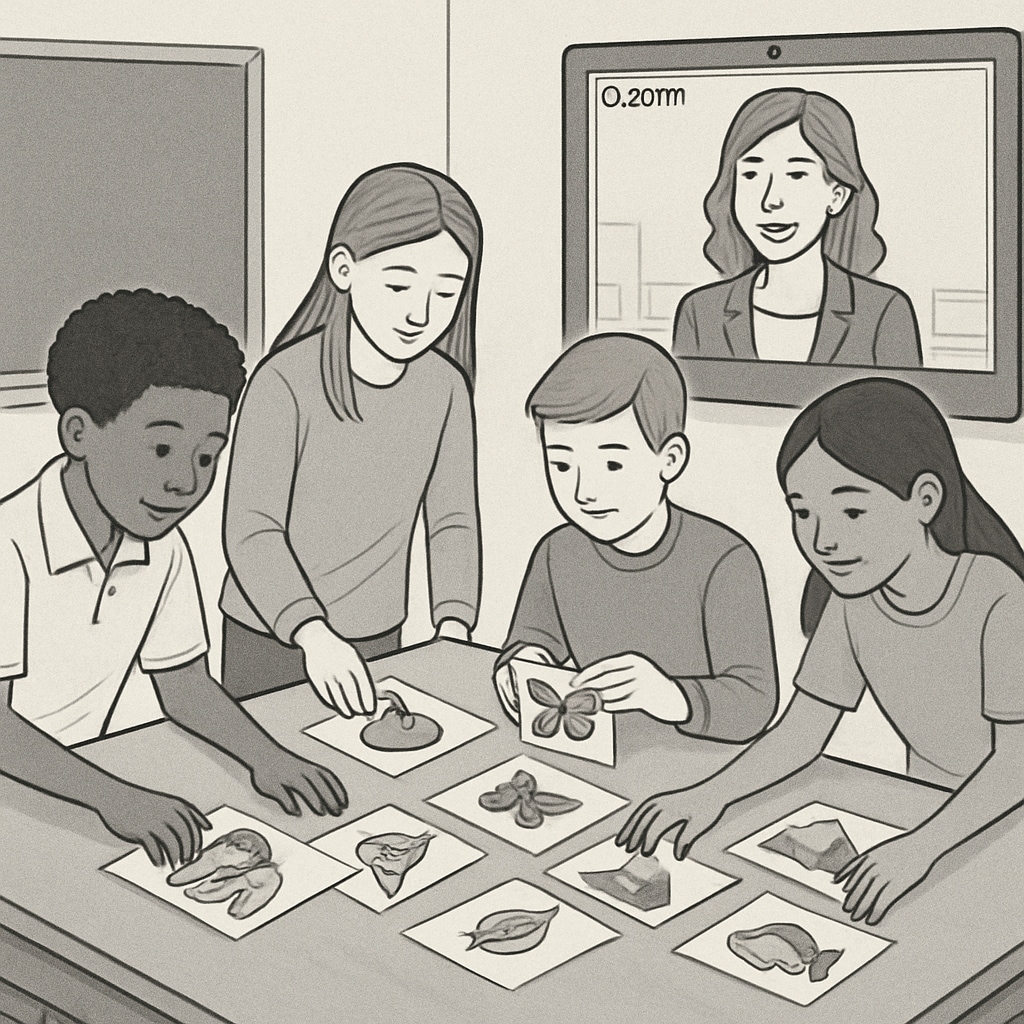
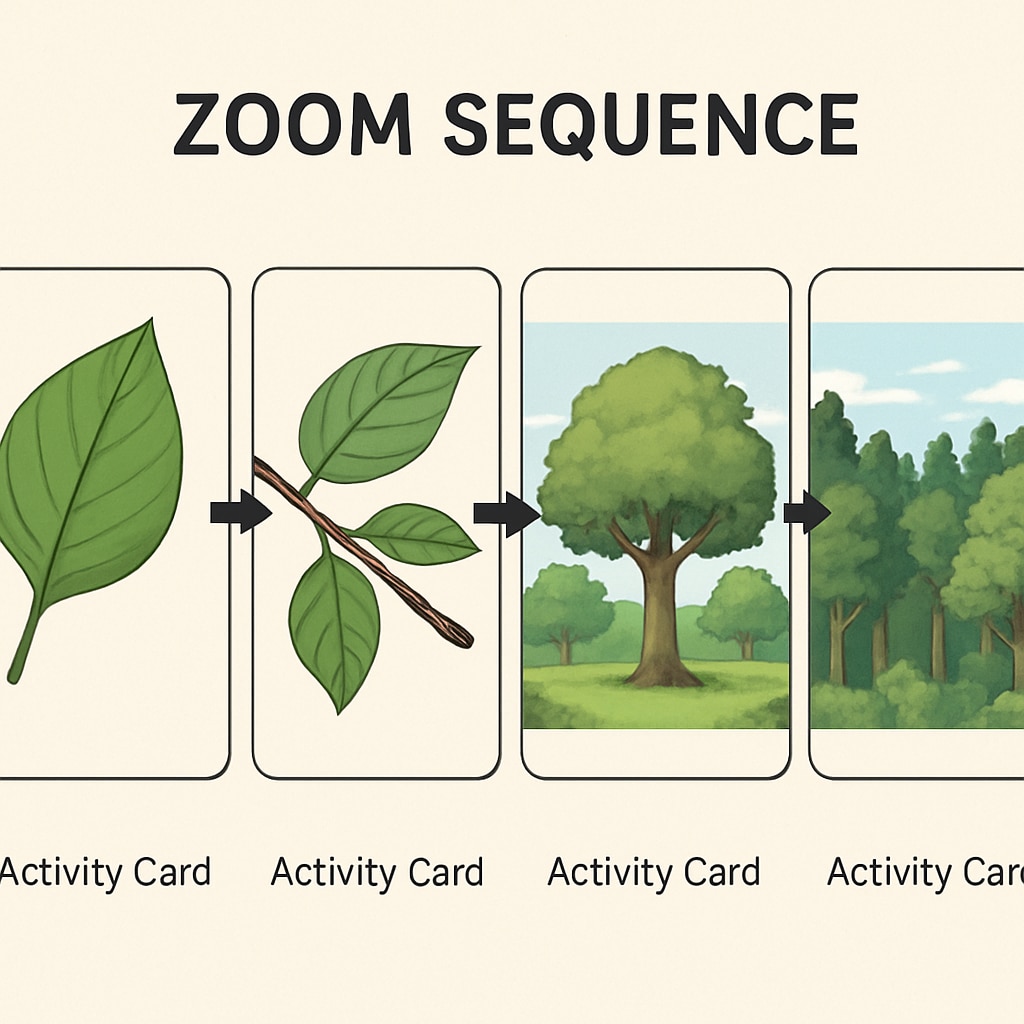
Zoom and ReZoom are interactive storytelling activities designed to engage students in critical thinking and collaboration. “Zoom” involves presenting a series of images that zoom out progressively, revealing the bigger picture. Conversely, “ReZoom” works in the opposite direction, zooming in to focus on more specific details. Both activities require students to arrange the images in a logical sequence, promoting teamwork and analytical skills.
For example, in a Zoom activity, students might start with a close-up of a leaf, then gradually zoom out to discover it’s part of a forest. In ReZoom, the journey begins with a wide view and progressively narrows down to specific details. These activities are particularly useful for visual learners and can be adapted to suit various subjects, from science to art.
How to Implement Zoom and ReZoom Activities
To successfully execute Zoom and ReZoom activities in your classroom, it’s crucial to follow a structured approach. Here’s a step-by-step guide:
- Prepare Your Materials: Gather the sequence of images for the activity. Ensure they are clear and relevant to the lesson topic.
- Explain the Objective: Begin by explaining the goal of the activity—either zooming out or zooming in—and how it relates to the lesson.
- Divide Students into Groups: Group students into teams to encourage collaboration and discussion.
- Provide Clear Instructions: Give each group a set of images and explain how they need to arrange them in the correct sequence.
- Facilitate and Observe: Walk around the classroom to guide students and answer any questions as they work through the activity.
- Review and Reflect: Once the activity is complete, review the correct sequence and discuss what students learned from the exercise.
These steps ensure that Zoom and ReZoom activities are engaging and effective, providing a meaningful learning experience for all students.
Best Practices for Enhancing Student Engagement
To maximize the impact of Zoom and ReZoom activities, consider the following best practices:
- Adapt to Your Classroom: Modify the activity to fit your students’ age group and subject matter. Younger students might need simpler sequences, while older students can handle more complex narratives.
- Incorporate Technology: Use digital tools to display the images or allow students to drag and drop them on a virtual whiteboard.
- Encourage Discussion: Ask open-ended questions to prompt students to explain their reasoning and insights during the activity.
- Integrate Cross-Curricular Themes: Combine Zoom and ReZoom activities with topics from other subjects, such as history or geography, to create interdisciplinary connections.
- Reflect on Outcomes: After completing the activity, have students discuss how the sequence relates to the lesson’s overarching theme.
By applying these strategies, you can ensure Zoom and ReZoom activities are not only fun but also educationally impactful.
Answer Keys: Why They Matter
An essential component of Zoom and ReZoom activities is the “answer key,” which provides the correct sequence of images. The answer key serves as a reference for educators, allowing them to confidently guide students and verify their progress. It also ensures consistency across groups, especially when multiple teams are working simultaneously.
Make sure your answer key is easily accessible and clearly organized. This will streamline the activity and minimize confusion, enabling students to focus on learning and collaboration.
In Conclusion: Zoom and ReZoom activities are versatile tools for enhancing classroom engagement and promoting critical thinking. By following the implementation steps, adopting best practices, and utilizing answer keys effectively, K12 educators can transform their lessons into dynamic, interactive experiences that cater to diverse learning styles.
Ready to dive into Zoom and ReZoom activities? Start planning your next lesson by incorporating these strategies and watch your students thrive!

