Boredom in the classroom is an often-overlooked yet pervasive issue, as evidenced by numerous studies on student experience and cross-cultural research. Across the globe, students in K12 education report experiencing boredom, which impacts not only their academic performance but also their overall engagement with learning. By examining the prevalence of boredom, its variations across grade levels, and the underlying causes, we can better understand how to address this critical issue and create more engaging educational environments.
The Global Prevalence of Boredom in Education
Recent cross-cultural studies have revealed that boredom in education is not confined to a single country or education system. Instead, it is a universal phenomenon. For example, a 2020 study conducted across the United States, Germany, and Japan found that more than 50% of students reported feeling bored in at least one class daily. This data suggests that boredom transcends cultural and systemic differences, pointing to a deeper issue within the structure of K12 education worldwide.
One reason for this widespread boredom is the traditional, lecture-based teaching model that dominates many classrooms. Students often feel disengaged when lessons lack interactivity or fail to connect with their real-world interests. Furthermore, the rigid standardization of curricula can stifle creativity and limit opportunities for personalized learning.
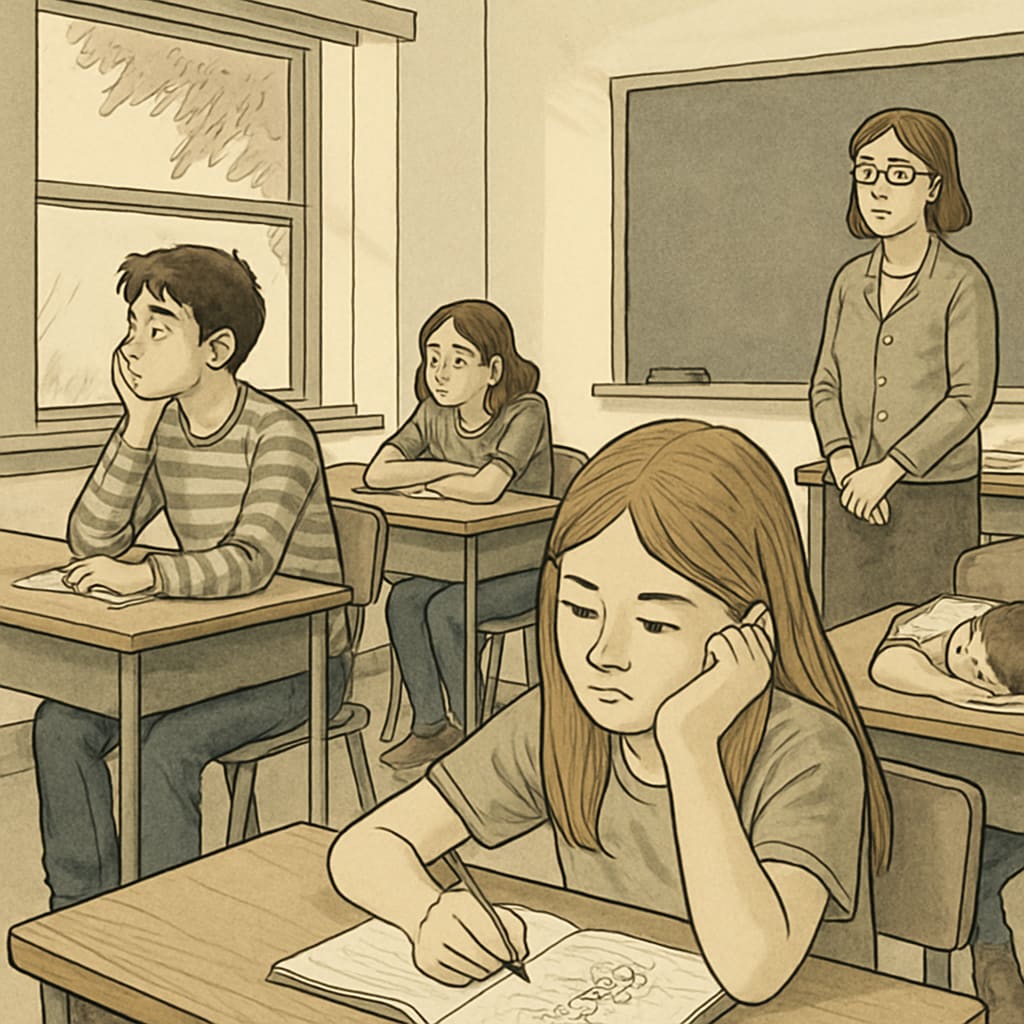
Grade-Level Variations in Student Boredom
Interestingly, the experience of boredom tends to vary across grade levels. Research indicates that younger students, such as those in elementary school, are less likely to experience boredom compared to their middle and high school counterparts. This difference may be attributed to the more dynamic and interactive teaching methods often employed in early education.
However, as students progress through the education system, boredom tends to increase. In middle and high school, the emphasis on standardized testing, rigid schedules, and less creative autonomy contributes to a decline in student engagement. By the time students reach high school, boredom has become a frequent, almost normalized part of their daily academic experience.
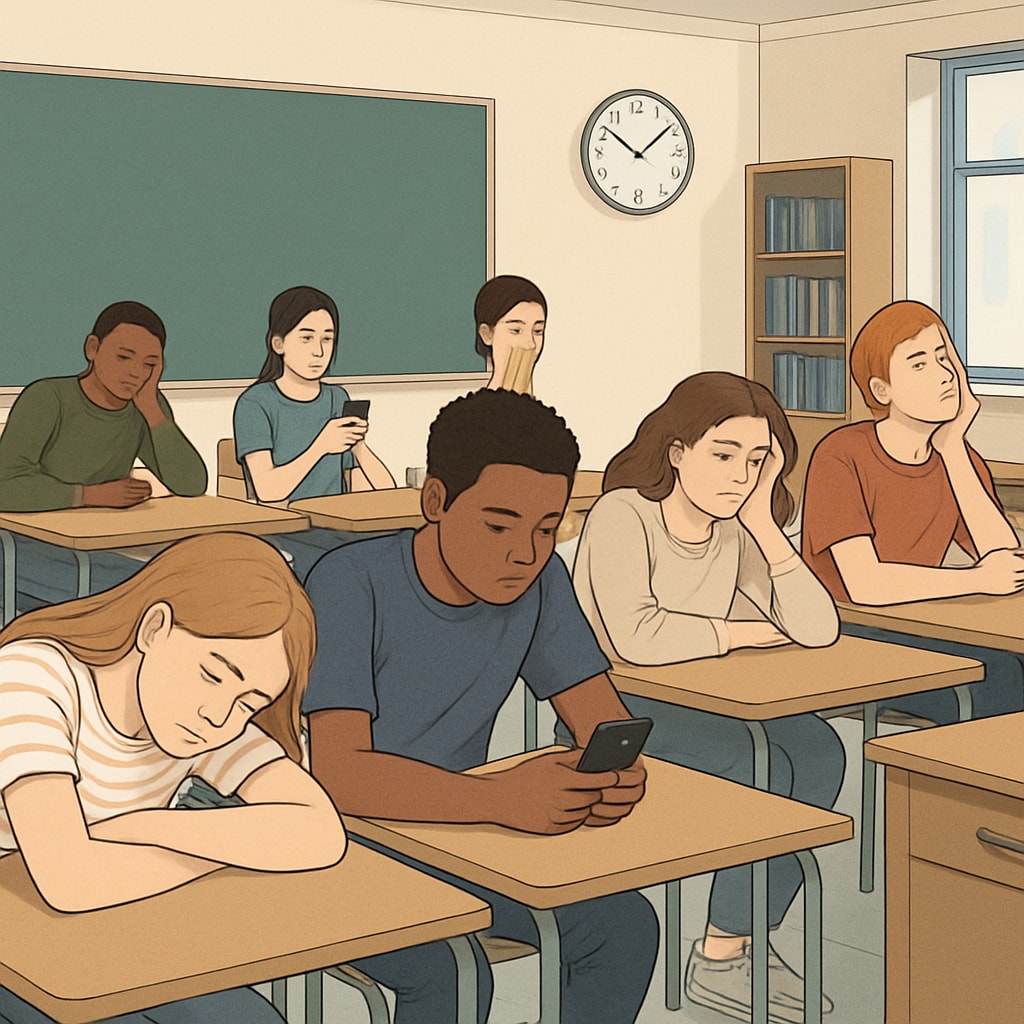
Understanding the Causes of Classroom Boredom
Several factors contribute to the prevalence of boredom in K12 education. Among the most significant are:
- Monotonous Teaching Methods: Lessons that rely heavily on lectures or rote memorization fail to capture students’ attention.
- Lack of Relevance: When students perceive lessons as disconnected from their interests or future goals, they are less likely to engage.
- Overemphasis on Standardized Testing: The focus on test preparation can lead to a narrow, uninspiring curriculum.
- Limited Student Autonomy: Few opportunities for choice or creative expression can make learning feel mechanical.
Understanding these underlying causes is essential for addressing boredom effectively. Educational systems must recognize that boredom is not merely a student problem but a systemic issue requiring innovation and reform.
Educational Implications and Reform Directions
Addressing boredom in the classroom requires a multi-faceted approach. First, educators need to adopt more interactive and student-centered teaching methods, such as project-based learning and collaborative activities. These methods not only engage students but also help them see the real-world application of their lessons.
Additionally, curricula should be designed to include more opportunities for personalized and interest-driven learning. For example, incorporating student choice in assignments or projects can increase motivation and reduce boredom. Schools can also benefit from integrating technology to make lessons more dynamic and relevant to the digital generation.
Finally, policymakers must rethink the emphasis on standardized testing. While assessments are necessary, an overreliance on test scores can lead to a one-size-fits-all approach that alienates many students. A more balanced approach that values creativity, critical thinking, and problem-solving would foster a more engaging and inclusive learning environment.
As global research continues to highlight the prevalence of boredom in education, it is clear that reform is not just beneficial but necessary. By addressing this issue head-on, we can create classrooms where students are not only engaged but also inspired to learn and grow.
For additional insights into the impact of boredom on education, consider exploring resources like the Wikipedia entry on boredom or Britannica’s overview of education.
Readability guidance: Short paragraphs and frequent use of transition words ensure clarity. Lists summarize key points, and images provide visual support for the text. The active voice is prioritized, and long sentences are kept to a minimum.