Recent cross-national studies have revealed a significant issue in modern education: widespread student boredom. From middle school classrooms to university lecture halls, boredom has emerged as a hidden crisis that threatens learning outcomes and overall educational engagement. This article examines the scope of this phenomenon through data analysis, explores its underlying causes, and discusses actionable solutions to address this pressing problem.
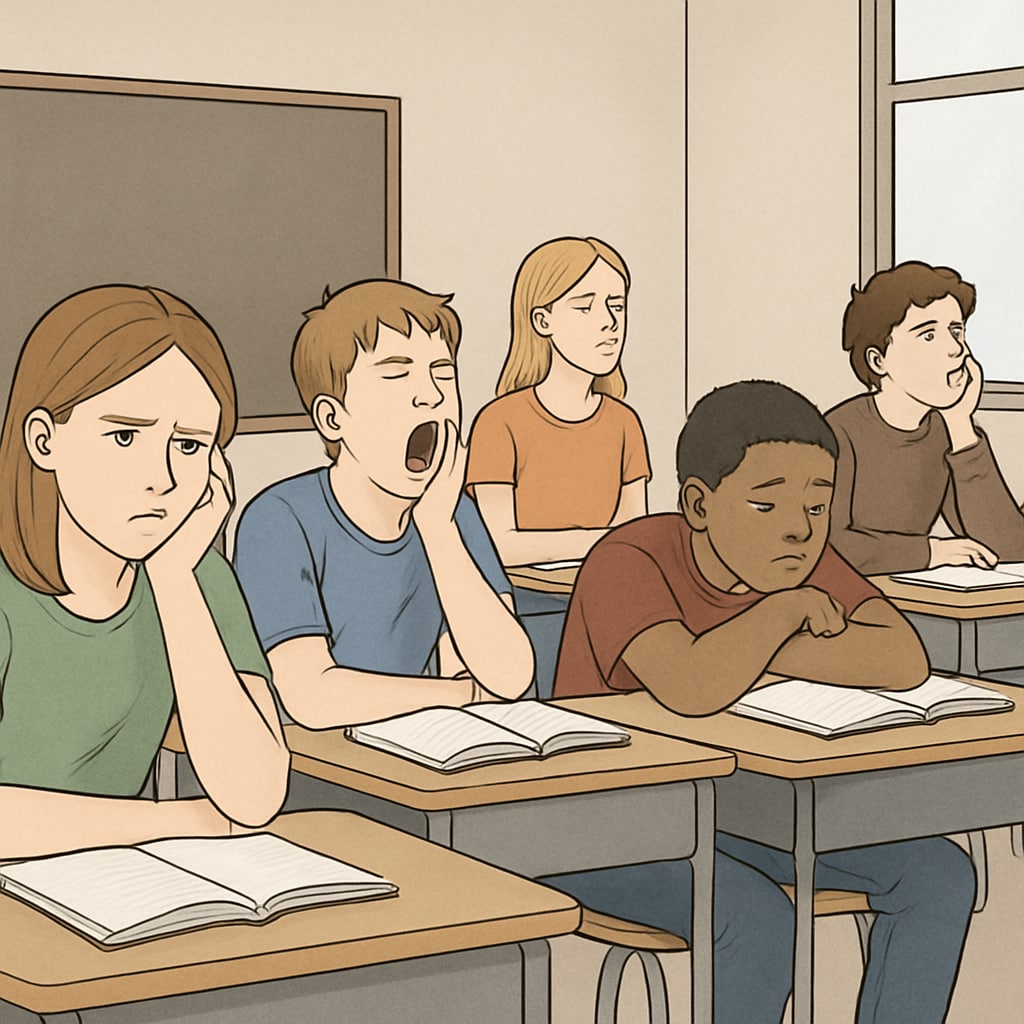
The Scope of Student Boredom Across Nations
Data from several countries, including the United States, Germany, Japan, and India, paint a troubling picture of student engagement. Studies indicate that over 60% of middle and high school students report feeling bored in class on a regular basis, while university students are not immune to the phenomenon, with boredom rates hovering around 40% globally. For example, a 2022 study conducted by the National Center for Education Statistics in the United States identified boredom as a major factor contributing to poor academic performance and absenteeism.
In addition, research published in the Journal of Global Education Trends highlights that boredom is not confined to one specific type of educational system or cultural context. Instead, it appears to be a universal challenge, suggesting systemic issues within teaching methodologies and learning environments.
What Causes Boredom in Educational Settings?
Understanding the root causes of boredom is essential for crafting effective interventions. Several critical factors contribute to the prevalence of student disengagement:
- Unstimulating Curricula: Many students report that the content being taught lacks relevance to their interests or real-world applications.
- Teaching Methods: Traditional lecture-based approaches often fail to capture the diverse learning styles of students, leaving many disengaged.
- Overemphasis on Testing: The focus on standardized testing and rote memorization can make learning seem mechanical and uninspired.
- Digital Distractions: The rise of smartphones and other electronic devices means students have constant access to more engaging forms of entertainment outside the classroom.
Furthermore, individual factors, such as a lack of sleep or personal stress, can exacerbate feelings of boredom, making it a multifaceted problem that requires attention on multiple fronts.

The Impact of Boredom on Learning
Boredom in education is far from a trivial issue. Its consequences ripple through academic performance, mental health, and future career prospects. Students who frequently experience boredom are more likely to disengage from their studies, leading to poor grades and higher dropout rates. Additionally, boredom can contribute to negative emotional states, such as frustration and anxiety, which further hinder learning.
Long-term implications are equally concerning. A disengaged student is less likely to develop critical thinking skills, creativity, and a passion for lifelong learning—qualities essential for success in the modern workforce. As a result, educational institutions must prioritize addressing this issue to prepare students for future challenges.
Strategies to Combat Classroom Boredom
Educational experts and policymakers have proposed several solutions to mitigate student boredom and improve engagement:
- Interactive Teaching Methods: Incorporating group discussions, hands-on activities, and multimedia tools can make learning more dynamic and engaging.
- Personalized Learning: Tailoring lessons to individual student interests and strengths can significantly enhance motivation.
- Focus on Real-World Applications: Connecting theoretical concepts to practical scenarios helps students see the value of their education.
- Teacher Training: Providing educators with resources and training on innovative teaching techniques is crucial for fostering engagement.
- Balanced Use of Technology: While digital tools can be distracting, they also offer opportunities for interactive and gamified learning experiences.
By implementing these strategies, schools and universities can create more stimulating environments that encourage active participation and curiosity.
Conclusion: A Call to Action
The widespread prevalence of student boredom, as revealed by cross-national data, is an urgent issue that demands attention. Addressing this hidden crisis requires a collaborative effort from educators, policymakers, and researchers. By understanding the causes and consequences of boredom, educational systems can evolve to better meet the needs of today’s students, paving the way for a brighter and more engaging future.
As we move forward, let us prioritize creating learning environments that inspire curiosity and foster meaningful connections. Only then can we ensure education fulfills its role as a transformative force in individual lives and society as a whole.