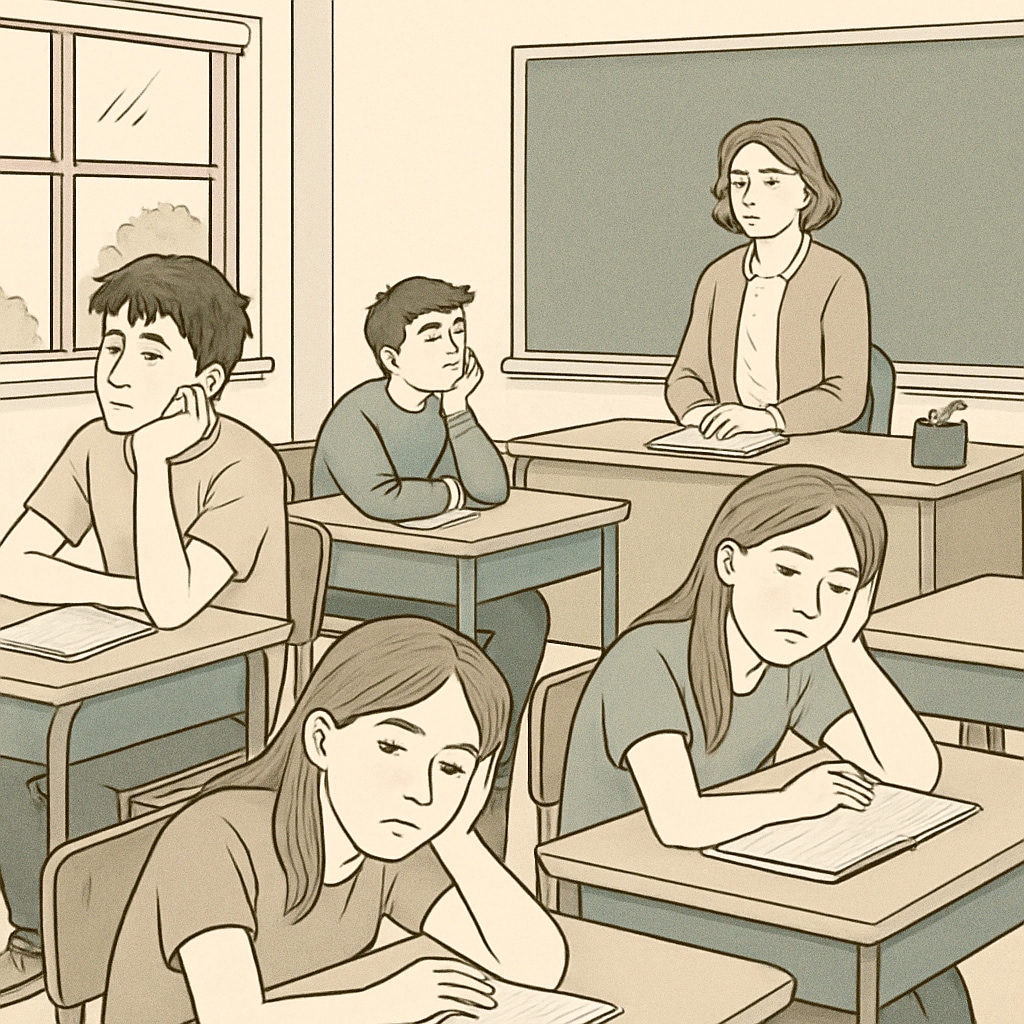
Student boredom in K-12 education environments is a global issue often overlooked in discussions about classroom effectiveness. According to cross-national studies, a significant number of students report feeling disengaged or uninterested during lessons. This widespread phenomenon poses a serious challenge to educators and policymakers alike, as it directly affects learning outcomes, student motivation, and overall academic performance.
In this article, we will explore the root causes of student boredom in education, its far-reaching consequences, and actionable strategies to address it. By delving into this often-ignored learning barrier, we aim to provide insights for creating a more engaging and dynamic educational experience.
Understanding the Causes of Student Boredom
Boredom in the classroom is not a one-size-fits-all issue. It stems from a combination of factors, including curriculum design, teaching methods, and even external influences such as technology. Below are some of the most common causes:
- Monotonous Teaching Methods: Rigid, lecture-heavy teaching styles can fail to capture student interest, especially for those with diverse learning preferences.
- Irrelevant Curriculum: When students perceive the content as disconnected from their lives or future goals, they are less likely to engage actively.
- Lack of Autonomy: Overly structured environments that limit student choice can contribute to feelings of disconnection and boredom.
- Overexposure to Technology: The constant availability of digital entertainment may reduce students’ attention spans, making traditional classroom settings feel dull in comparison.
Addressing these root causes requires a nuanced approach that considers the unique dynamics of each classroom and the diverse needs of its students.
The Impact of Boredom on Learning Outcomes
The effects of boredom in educational settings are far-reaching and impact both individual students and the broader learning environment. Key consequences include:
- Decline in Academic Performance: Students who are bored are less likely to retain information, leading to lower test scores and grades.
- Increased Dropout Rates: Chronic disengagement can push students to leave school prematurely, especially in secondary education settings.
- Behavioral Issues: Bored students may act out or distract others as a way to cope with their lack of interest.
- Mental Health Concerns: Persistent boredom can contribute to feelings of frustration, anxiety, and even depression.
As a result, addressing boredom is not just about improving grades—it’s about fostering a healthier and more supportive learning environment for all students.
Strategies to Counteract Student Boredom
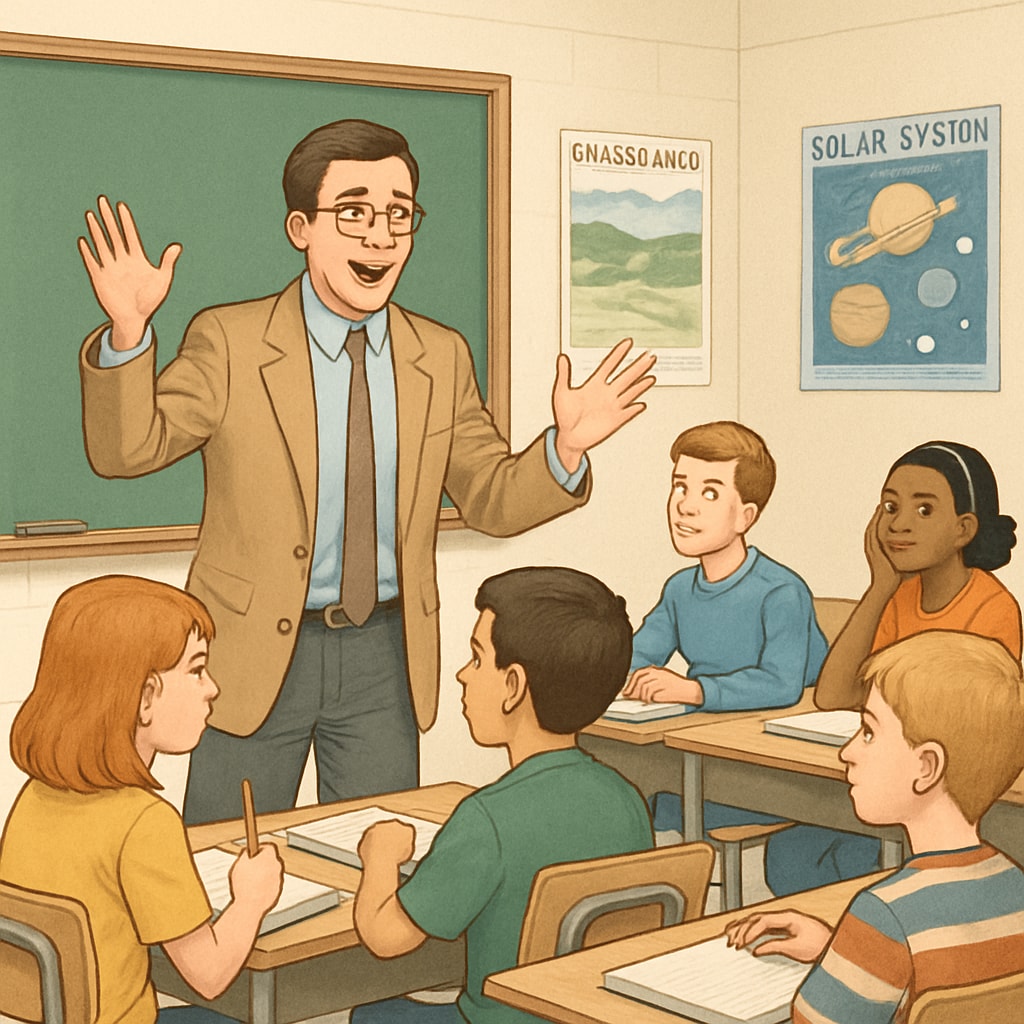
While the challenge of student boredom is significant, there are practical solutions that educators can implement to foster engagement:
- Incorporate Active Learning: Techniques such as group discussions, hands-on projects, and problem-solving exercises can make lessons more interactive and engaging.
- Personalize Learning: Tailoring lessons to align with students’ interests and goals can increase their intrinsic motivation.
- Leverage Technology Wisely: Thoughtful integration of digital tools, such as gamified learning apps, can capture students’ attention without overwhelming them.
- Provide Autonomy: Allowing students to make choices about their learning paths can give them a sense of ownership and control.
- Focus on Teacher-Student Relationships: Building a supportive and understanding rapport can help students feel more connected to the material and the classroom environment.
Adopting these strategies requires commitment and creativity, but the potential rewards—improved engagement, better learning outcomes, and happier students—make it a worthwhile endeavor.
Conclusion: Recognizing and Addressing a Global Challenge
Student boredom in education environments is more than just an occasional inconvenience; it is a pervasive issue that demands serious attention. By understanding its causes, acknowledging its impacts, and implementing evidence-based strategies to address it, educators can transform the classroom experience into one that fosters curiosity, engagement, and a lifelong love of learning.
As global research continues to highlight the prevalence of boredom in K-12 classrooms, it is essential for educators, administrators, and policymakers to collaborate in creating environments where every student can thrive. The time to act is now.
For further information on the topic, visit authoritative resources such as Education on Wikipedia or Education on Britannica.