


Zoom/ReZoom activities, teaching materials, and sequence guides can significantly enhance classroom dynamics, especially in K12 education. These activities are interactive and collaborative, helping students develop critical thinking, teamwork, and problem-solving skills. However, many educators struggle with implementing them effectively due to confusion about the correct sequence. This article aims to provide a clear, step-by-step guide to structuring these activities, ensuring they deliver maximum impact in the classroom.
What Are Zoom and ReZoom Activities?
Zoom and ReZoom are engaging classroom activities based on two books by Istvan Banyai: Zoom and ReZoom. These books consist of sequential illustrations that challenge students to piece together a story by identifying the order of the scenes. Zoom focuses on zooming out progressively, while ReZoom involves zooming in. These activities are perfect for fostering collaboration, communication, and logical thinking among students.
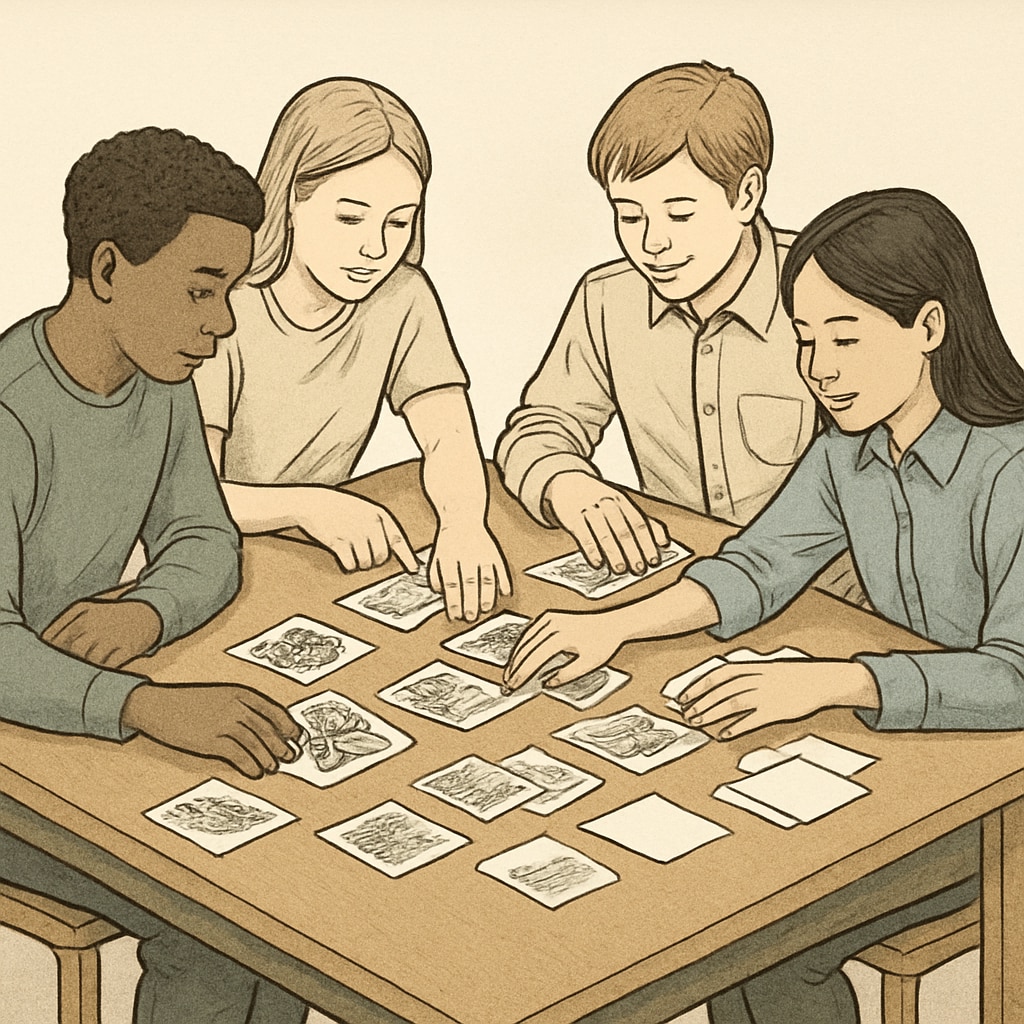
In a typical classroom setting, students are given shuffled illustrations and tasked with arranging them in the correct sequence. This seemingly simple task requires careful observation, effective communication, and teamwork, making it a valuable tool for educators aiming to promote active learning.
Challenges in Implementing Zoom/ReZoom Activities
Despite their benefits, implementing Zoom/ReZoom activities in a classroom setting comes with challenges. One of the most common issues is maintaining the correct sequence of teaching materials and activity steps. Without a structured approach, students may become confused, and the activity’s learning objectives may not be achieved.
Here are common challenges educators face:
- Disorganized materials: Shuffled or incomplete cards can disrupt the activity flow.
- Lack of clear instructions: Students may struggle to understand the task without proper guidance.
- Time management: The activity may take longer than planned if not well-structured.
- Unequal participation: Some students may dominate, while others remain passive.
To overcome these challenges, a systematic approach to activity preparation and execution is essential.
Step-by-Step Sequence Guide to Maximize Impact
To ensure the success of Zoom/ReZoom activities, follow this structured sequence:
- Prepare the materials: Ensure all cards or illustrations are complete, in good condition, and shuffled.
- Explain the activity: Provide a clear explanation of the task, emphasizing teamwork and communication.
- Distribute roles: Assign specific roles such as facilitator, recorder, or presenter to ensure equal participation.
- Set time limits: Allocate sufficient time for students to arrange the cards but ensure they stay on track.
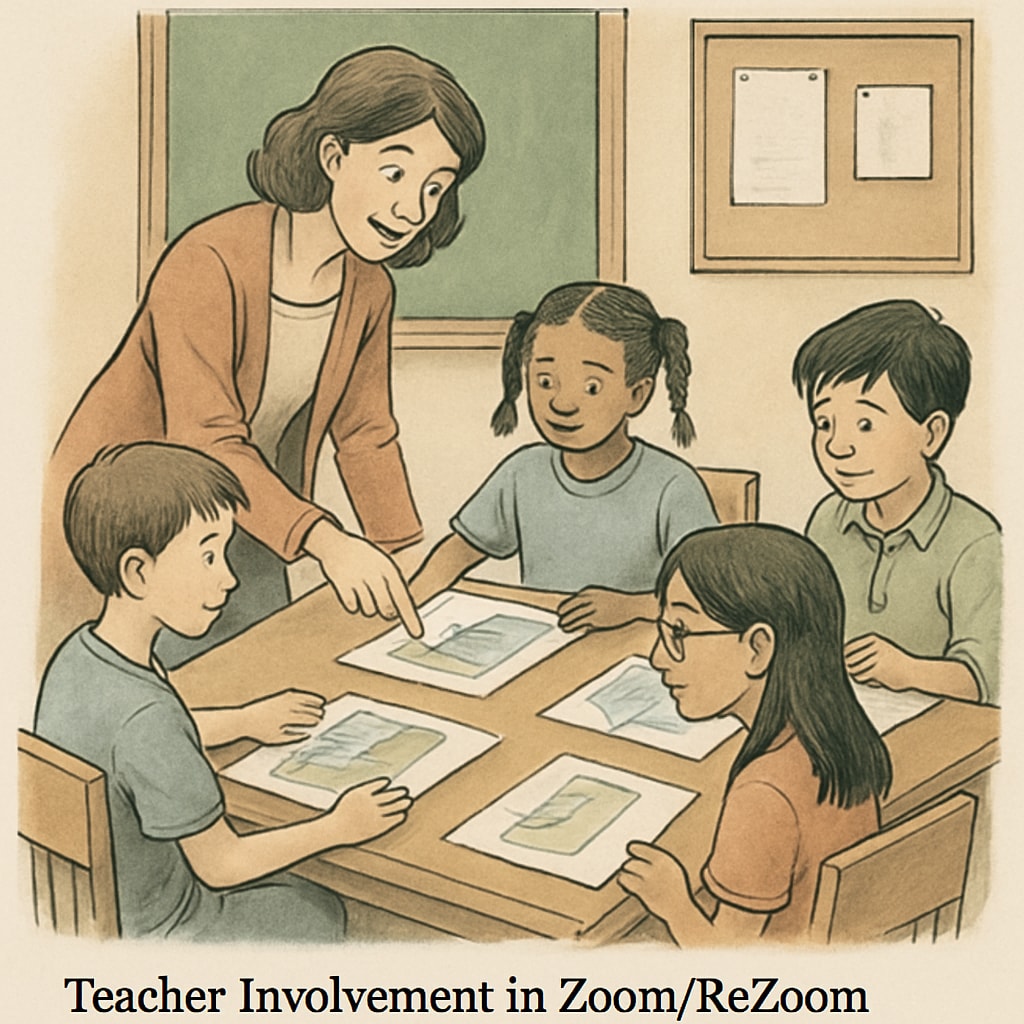
- Monitor progress: Walk around the classroom to offer guidance and ensure students stay focused.
- Review the sequence: Once completed, review the sequence together as a class and discuss the reasoning behind their arrangement.
- Reflect on the activity: Encourage students to share their experiences and insights gained from the activity.
This structured approach ensures that the activity remains engaging and educational, meeting its intended learning outcomes.
Practical Tips for Teachers
In addition to the sequence guide, here are some practical tips for educators:
- Adapt to class size: For larger classes, divide students into smaller groups to ensure active participation.
- Customize the activity: Depending on the subject, you can create your own Zoom/ReZoom materials. For example, use historical events for a history lesson or life cycles for a science class.
- Encourage open communication: Remind students to share their observations and ideas respectfully.
- Use as an icebreaker: These activities are excellent for the first day of school to build rapport among students.
By incorporating these tips, educators can further enhance the effectiveness of Zoom/ReZoom activities in their classrooms.
Conclusion: Unlocking the Potential of Zoom/ReZoom Activities
Zoom and ReZoom activities are powerful tools for promoting collaboration, critical thinking, and problem-solving in K12 education. By addressing common challenges and following a clear sequence guide, educators can unlock their full potential to create vibrant and interactive learning environments. With thoughtful preparation and execution, these activities can transform the classroom experience and leave a lasting impact on students.
For further reading, explore resources like Collaborative Learning on Wikipedia or Active Learning on Britannica to discover more about interactive teaching methods.
Readability guidance: This article uses short paragraphs, lists, and transition words to ensure clarity and engagement. It maintains a balance between technical and general language to appeal to a broad educational audience.

