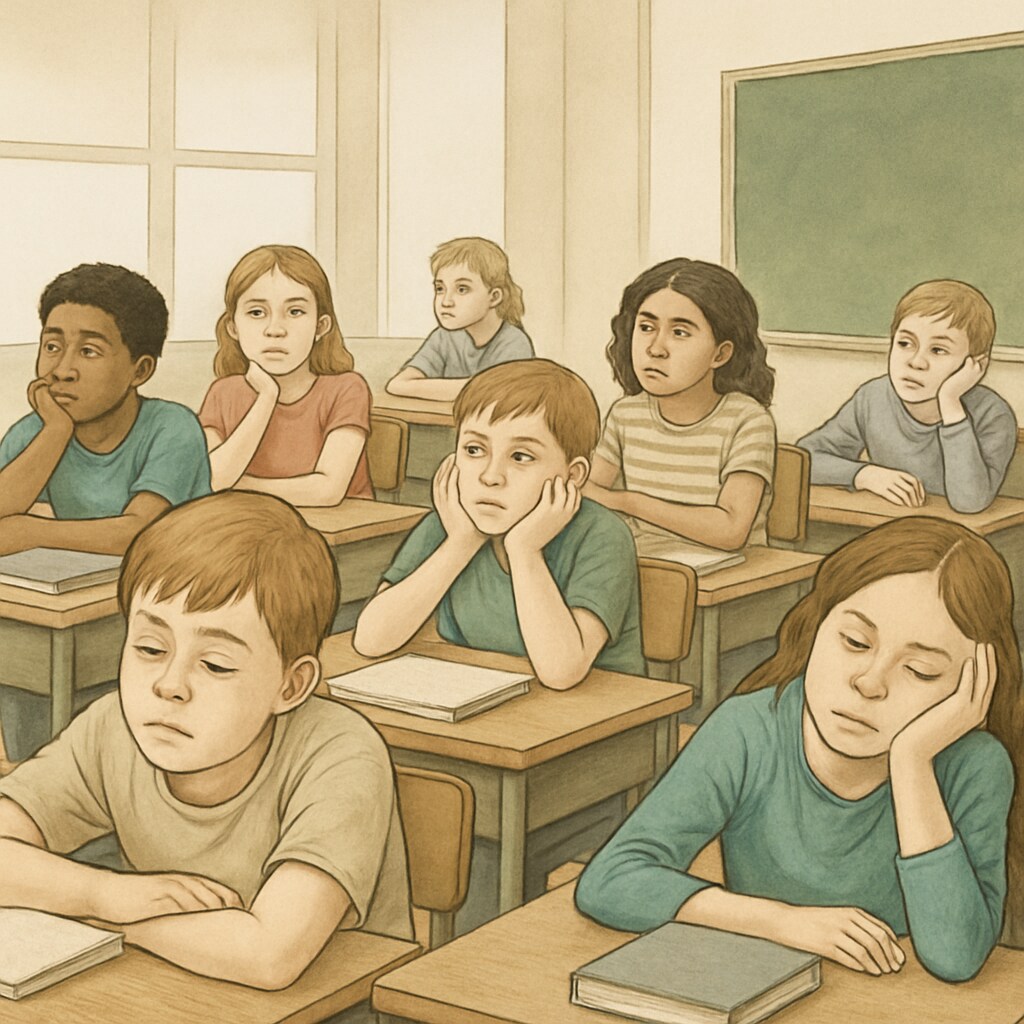
Recent education research has uncovered a pervasive issue: student boredom in learning environments. Cross-national data reveals that, from middle school to university, a significant percentage of students report feeling disengaged and unmotivated in classrooms. This widespread boredom is not just an inconvenience; it represents a hidden crisis that threatens the effectiveness of educational systems globally. Understanding the causes behind this phenomenon and addressing them is crucial for improving the quality of education worldwide.
Global Perspectives on Student Boredom
Cross-national research provides compelling evidence of the extent of student boredom. According to a study conducted by the Organisation for Economic Co-operation and Development (OECD), over 70% of secondary school students in developed nations report feeling bored during class at least once a week. Similar findings have emerged from studies conducted in emerging economies, suggesting that student boredom transcends cultural, economic, and educational boundaries.
For example, a study published by the International Journal of Educational Research analyzed classroom engagement levels across 20 countries. It revealed that in countries such as Japan, the United States, and Germany, boredom rates among students are alarmingly high, ranging from 60% to 80%. In developing nations, where access to quality education is often limited, boredom rates are also elevated, though the contributing factors may differ.
These findings indicate that student boredom is not confined to any particular region or demographic; it is a universal challenge that requires attention and action.
Key Causes of Classroom Boredom
Several factors contribute to the prevalence of student boredom in educational environments. Understanding these causes is essential to developing effective interventions that can re-engage learners. The primary causes include:
- Teaching methods: Traditional lecture-based teaching, which often emphasizes rote learning, fails to capture students’ interest or encourage active participation.
- Curriculum design: Overly rigid or outdated curricula can alienate students by presenting content that feels irrelevant to their lives and future aspirations.
- Classroom environment: Large class sizes and poorly designed learning spaces hinder interaction and engagement.
- Technological distractions: The rise of smartphones and digital media has created competing sources of attention, leaving students less motivated to focus on lessons.
- Emotional and psychological factors: Stress, anxiety, and lack of self-confidence can lead to disengagement, as students struggle to connect with the material being taught.
While these factors vary in intensity and prevalence across different regions, they collectively contribute to the widespread sense of boredom experienced by students worldwide.
Implications for Education Systems
The consequences of student boredom extend far beyond the individual classroom experience. When boredom becomes a systemic issue, it undermines academic performance, reduces retention rates, and hampers the development of critical thinking skills. As a result, education systems struggle to produce graduates who are well-prepared for the demands of a rapidly evolving world.
Moreover, disengaged learners are less likely to pursue advanced studies or participate in lifelong learning initiatives, which are essential for personal and professional growth. In the long term, student boredom can contribute to broader societal challenges, including reduced innovation and productivity.
Strategies for Combating Boredom
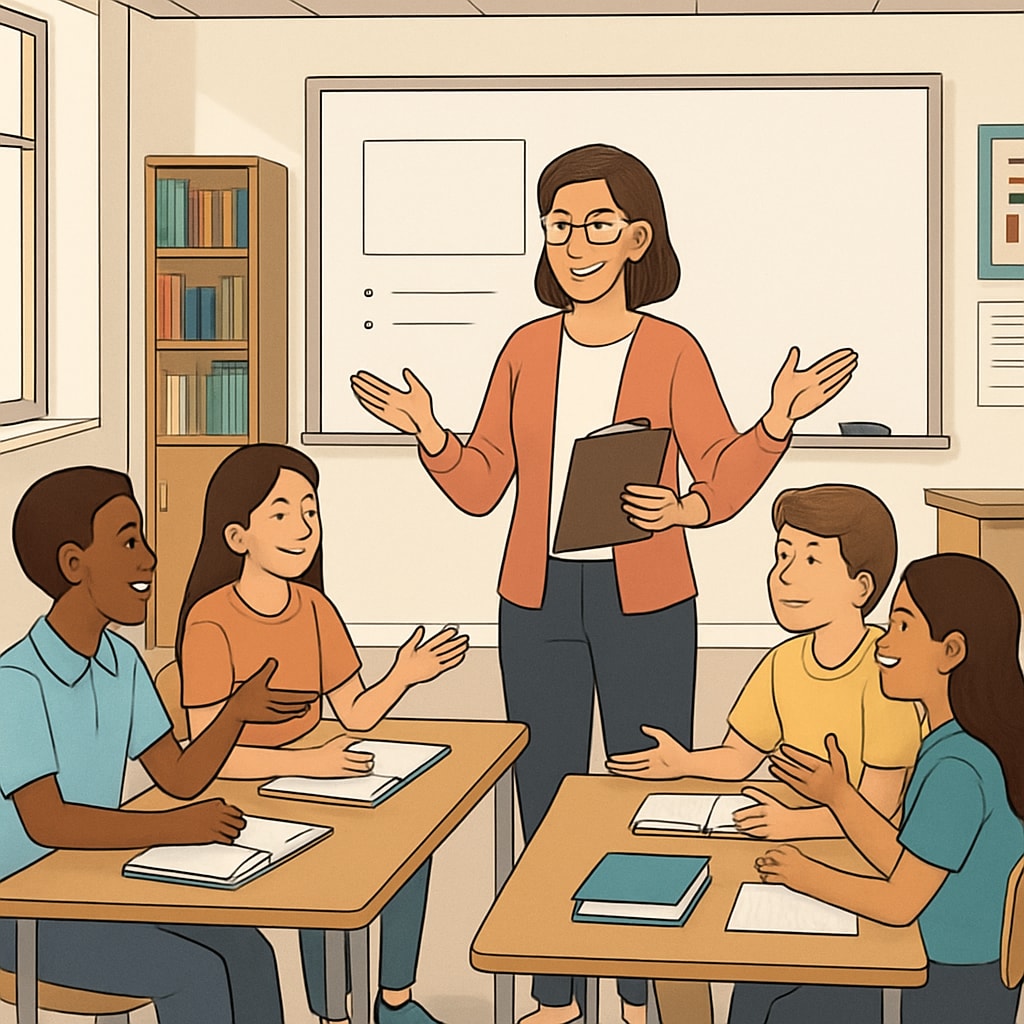
Addressing classroom boredom requires a multi-faceted approach that involves educators, policymakers, and students themselves. Effective strategies include:
- Innovative teaching techniques: Incorporating technology, project-based learning, and interactive methods can help make lessons more engaging.
- Curriculum reforms: Updating curricula to include relevant, real-world applications ensures that students see value in their education.
- Improved classroom design: Creating spaces that foster collaboration and creativity can enhance engagement.
- Student involvement: Encouraging students to voice their preferences and feedback allows educators to tailor lessons to their interests.
- Support systems: Addressing mental health and emotional well-being ensures that students are equipped to focus on their studies.
By implementing these strategies, educational institutions can transform classrooms into environments that inspire curiosity, creativity, and a lifelong love of learning.
In conclusion, the issue of student boredom, as highlighted by cross-national research, represents a significant challenge for education systems worldwide. However, by understanding the root causes and adopting innovative solutions, educators and policymakers can turn the tide and create learning environments that truly engage and empower students.