Voice recognition is rapidly becoming a transformative tool in K12 education. With the integration of technologies like WillowVoice, teachers can significantly enhance education efficiency, streamline feedback processes, and foster student engagement. The adoption of voice recognition in classrooms is not just a technological upgrade; it represents a shift in how educators interact with students and manage teaching workflows.
How Voice Recognition Streamlines Classroom Management
One of the key benefits of voice recognition technology is its ability to simplify classroom management. WillowVoice, for example, can accurately identify and process academic terms, enabling teachers to focus on teaching rather than manually transcribing notes or instructions. This feature helps educators save time during lectures, making lesson delivery more seamless and organized.
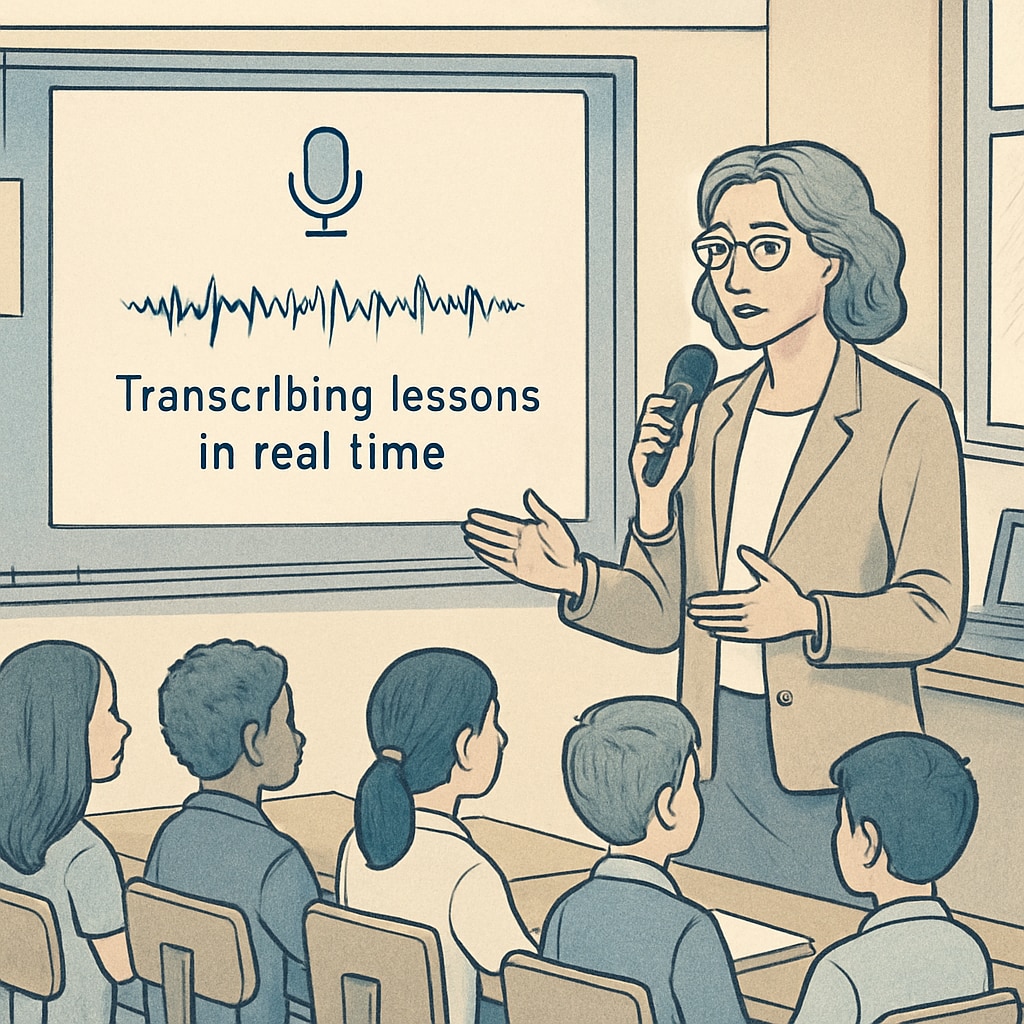
In addition to aiding teachers, voice recognition tools can also support students by providing real-time transcriptions of lessons. These transcriptions can be particularly valuable for students with learning disabilities or language barriers, ensuring they can follow along with ease. As a result, the classroom becomes more inclusive and accessible for all learners.
Enhancing Feedback and Communication with WillowVoice
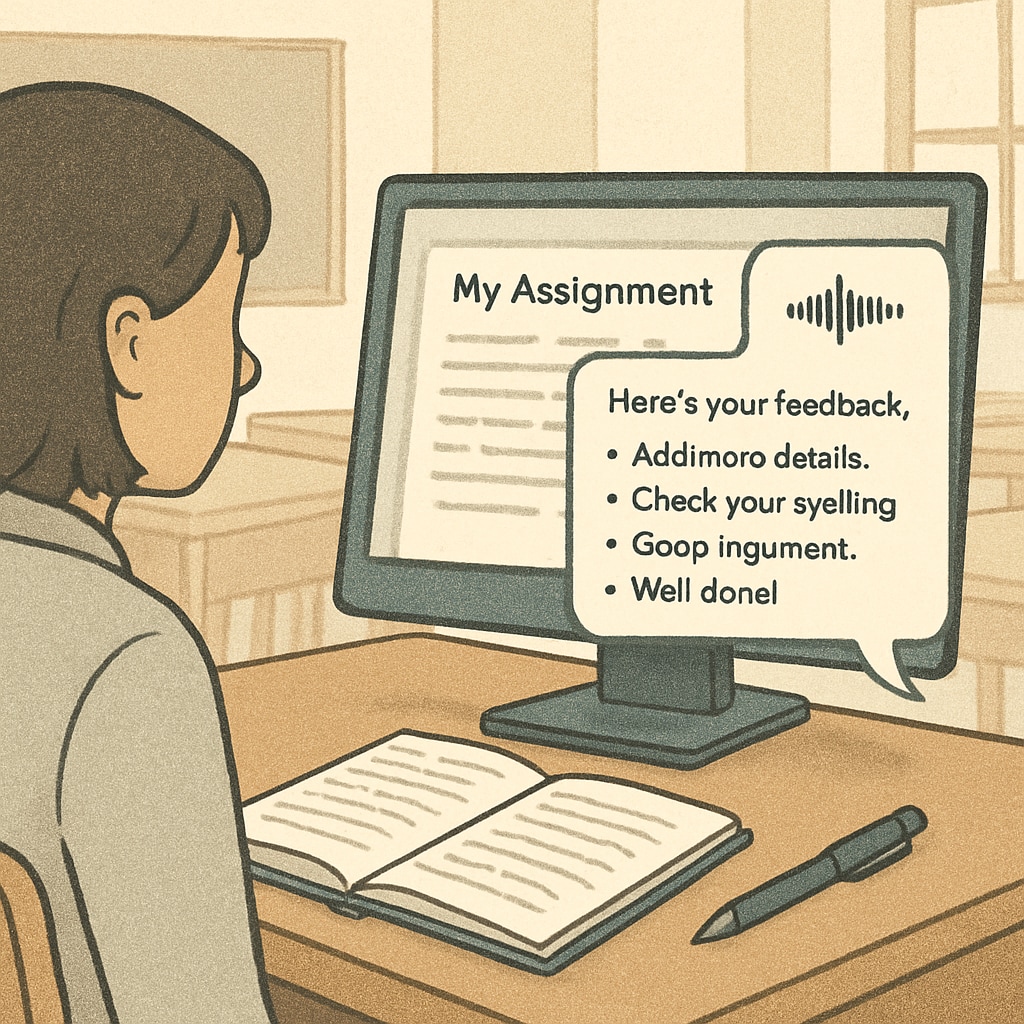
Providing timely and constructive feedback is a cornerstone of effective teaching. WillowVoice revolutionizes this process by allowing teachers to give voice-based feedback that is instantly converted into text. This eliminates the need for lengthy writing sessions and enables educators to provide personalized guidance to students more efficiently.
Moreover, WillowVoice’s advanced algorithms ensure that even complex academic vocabulary is accurately transcribed, reducing the likelihood of errors. For instance, a science teacher discussing intricate biological terms can rely on the tool to capture every word precisely. This not only improves the quality of feedback but also fosters better communication between teachers and students.
In addition to individual feedback, voice recognition can be used to collect and analyze student responses during group discussions or interactive Q&A sessions. This data can help teachers identify patterns, measure class participation, and tailor their teaching methods to better suit the needs of their students.
Boosting Student Engagement Through Technology
Engagement is a critical factor in educational success, and voice recognition tools like WillowVoice can play a pivotal role in keeping students actively involved in their learning journey. For example, teachers can use voice-activated quizzes or interactive lessons to make learning more dynamic and engaging. Students are more likely to participate in activities that integrate technology they find intuitive and exciting.
Furthermore, WillowVoice allows students to provide voice responses during assignments or activities, which are then transcribed and stored for evaluation. This approach not only reduces the pressure of written assignments for students who may struggle with handwriting or typing but also encourages them to express their thoughts more freely. As a result, classrooms become more interactive and discussions more vibrant.
Another compelling feature of WillowVoice is its adaptability. The technology can recognize various accents and speech patterns, ensuring that students from diverse backgrounds are equally understood and included. This inclusivity fosters a collaborative learning environment where every student feels valued.
The Future of Education with Voice Recognition
As education technology continues to evolve, the integration of tools like WillowVoice will likely become a standard in classrooms worldwide. The ability to enhance efficiency, provide accurate feedback, and engage students makes voice recognition a game-changer for both teachers and learners.
However, the success of these tools depends on their thoughtful implementation. Schools and educators need to ensure that the technology aligns with their goals and complements their teaching strategies. With proper training and adaptation, voice recognition has the potential to revolutionize how education is delivered and experienced in the K12 sector.
In conclusion, WillowVoice exemplifies how voice recognition can address some of the key challenges in education. By improving classroom management, streamlining feedback, and fostering student engagement, this technology paves the way for a more efficient and interactive learning environment. The future of education is undoubtedly digital, and voice recognition stands at the forefront of this transformation.
Readability guidance: This article uses short paragraphs, clear headings, and real-world examples to ensure accessibility. The content avoids jargon, balances sentence length, and includes transitional phrases for better flow. Lists and multimedia suggestions enhance reader engagement.