Zoom and ReZoom activities are transformative tools for enhancing student participation and fostering structured learning in K12 classrooms. These activities, designed to engage students through collaboration and sequence-based problem-solving, offer educators a powerful way to promote active learning. In this article, we’ll explore the significance of Zoom/ReZoom activities, their impact on classroom dynamics, and practical tips for effectively implementing them in both traditional and digital teaching environments.
What Are Zoom and ReZoom Activities?
Zoom and ReZoom are interactive team-building activities based on two wordless picture books authored by Istvan Banyai: “Zoom” and “ReZoom.” Each book features a series of images that zoom in or out, creating a connected narrative that requires participants to assemble the correct sequence. In a classroom setting, these activities encourage students to communicate, collaborate, and think critically to determine the proper order of illustrations.
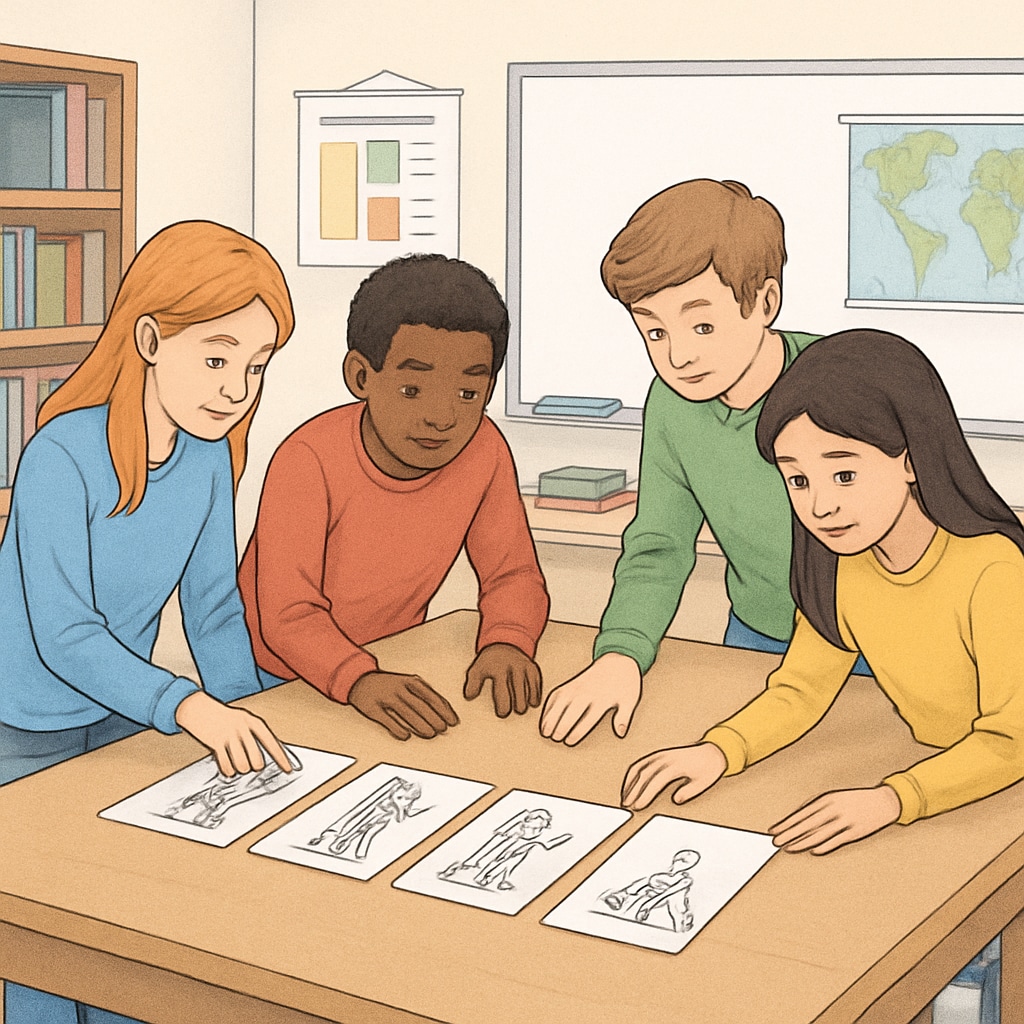
These activities are particularly effective in promoting social-emotional learning (SEL), as they require students to listen actively, respect diverse perspectives, and work towards a common goal. Moreover, they help develop essential 21st-century skills, including problem-solving, creativity, and teamwork.
Why Are Zoom/ReZoom Activities Valuable in K12 Education?
Zoom/ReZoom activities offer multiple benefits for students and educators, making them an excellent addition to K12 classrooms. Here are some key advantages:
- Fosters Collaboration: These activities demand teamwork, encouraging students to share ideas and build consensus.
- Enhances Critical Thinking: Students must analyze the details of each image and use logical reasoning to piece together the sequence.
- Promotes Active Participation: Every student has a role to play, ensuring that all voices are heard.
- Supports SEL Development: Students practice empathy, communication, and conflict resolution while working in groups.
- Adaptable Across Disciplines: These activities can be tailored to fit various subjects, from language arts to science.
For example, teachers can modify the activity to include written clues or incorporate subject-specific content, such as historical timelines or scientific processes, to align with curriculum goals.
Implementing Zoom/ReZoom Activities in a Digital Classroom
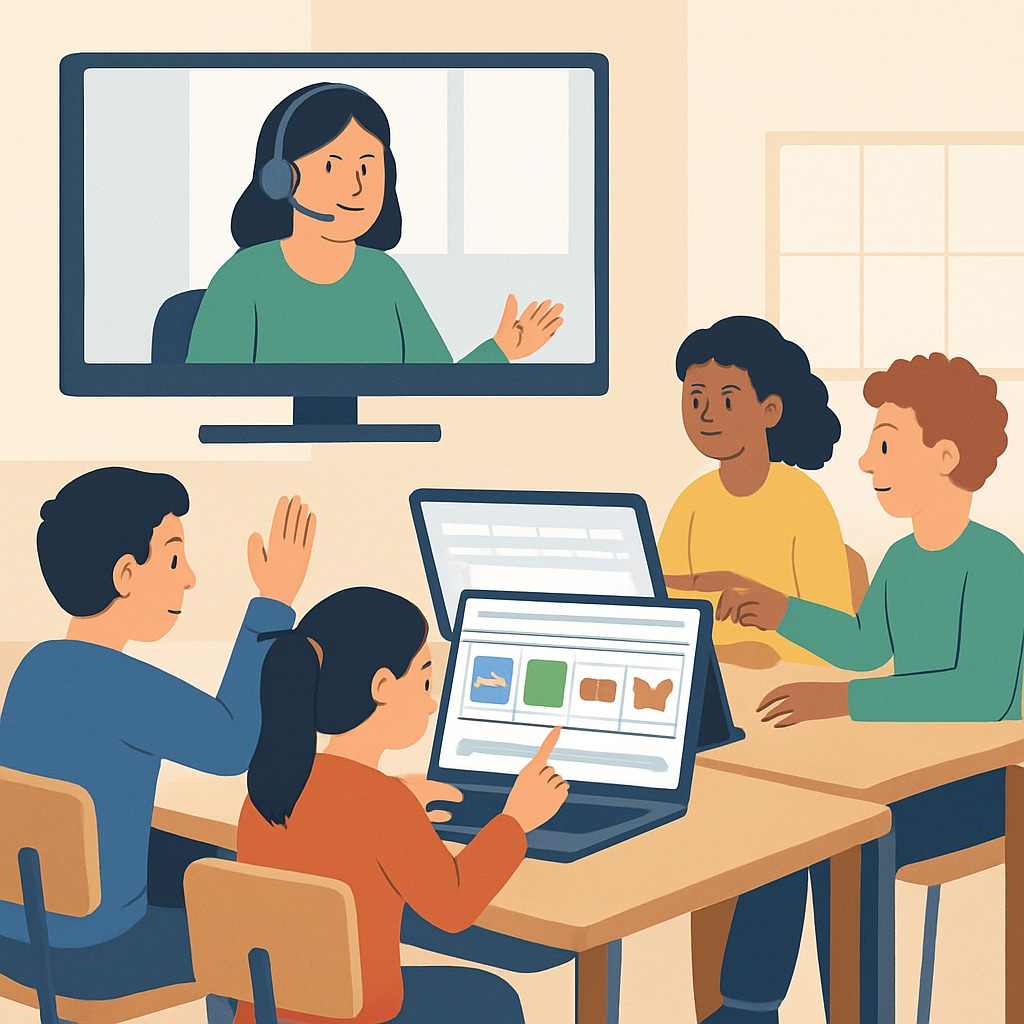
With the rise of digital learning environments, educators can adapt Zoom/ReZoom activities to virtual platforms. Here’s how:
- Use Digital Tools: Platforms like Google Slides or Jamboard allow students to drag and drop images into the correct order.
- Break Students into Groups: Utilize breakout rooms in video conferencing tools like Zoom or Microsoft Teams for collaborative discussions.
- Provide Clear Instructions: Ensure that students understand the activity’s objective and rules before starting.
- Encourage Reflection: After completing the activity, facilitate a group discussion to analyze the process and share insights.
In addition, educators can leverage resources like Edutopia for tips on integrating interactive activities into remote learning environments.
Tips for Maximizing the Impact of Zoom/ReZoom Activities
To ensure the success of these activities, consider the following best practices:
- Prepare Materials in Advance: Organize the images or slides and test any digital tools before the lesson.
- Set Time Limits: Encourage focus and efficiency by giving students a set period to complete the task.
- Balance Group Dynamics: Mix students with different strengths and communication styles to foster inclusive participation.
- Debrief After the Activity: Use reflection questions to help students connect the experience to broader learning objectives.
Resources like Britannica can provide additional context and inspiration for incorporating creative activities into the classroom.
Conclusion
Zoom and ReZoom activities are more than just fun classroom exercises; they are powerful tools for fostering collaboration, critical thinking, and active participation in K12 education. By incorporating these activities into both traditional and digital classrooms, educators can create engaging learning experiences that empower students to work together and think critically. As education continues to evolve in the digital age, structured interaction through activities like Zoom/ReZoom will remain an invaluable strategy for promoting meaningful student engagement.
Readability guidance: This article uses short paragraphs, clear headings, and lists to enhance readability. Active voice is prioritized, and transitions are used frequently to maintain a smooth flow.