


Student boredom in education environments is a growing concern, according to recent global studies. From high-tech classrooms in developed countries to resource-limited schools in developing nations, the issue of student disengagement transcends borders. This article examines the widespread phenomenon, its root causes, and offers actionable solutions to create more engaging learning environments for students worldwide.
Why Are Students Feeling Bored in Classrooms?
Global research has consistently revealed that boredom in the classroom is not a localized issue but a universal challenge. According to a report by the Organisation for Economic Co-operation and Development (OECD), students frequently cite lack of interest in subject matter, monotonous teaching methods, and insufficient classroom interaction as primary reasons for boredom. These findings are echoed in surveys conducted across regions, including Asia, Europe, Africa, and the Americas.
Several factors contribute to this disengagement:
- Overemphasis on rote learning: Many education systems prioritize memorization over critical thinking, leading to repetitive and uninteresting lessons.
- Limited use of technology: Despite advancements in educational tech, integration remains inconsistent, leaving students unengaged.
- Lack of individualized attention: Large class sizes often hinder teachers from addressing diverse learning needs.
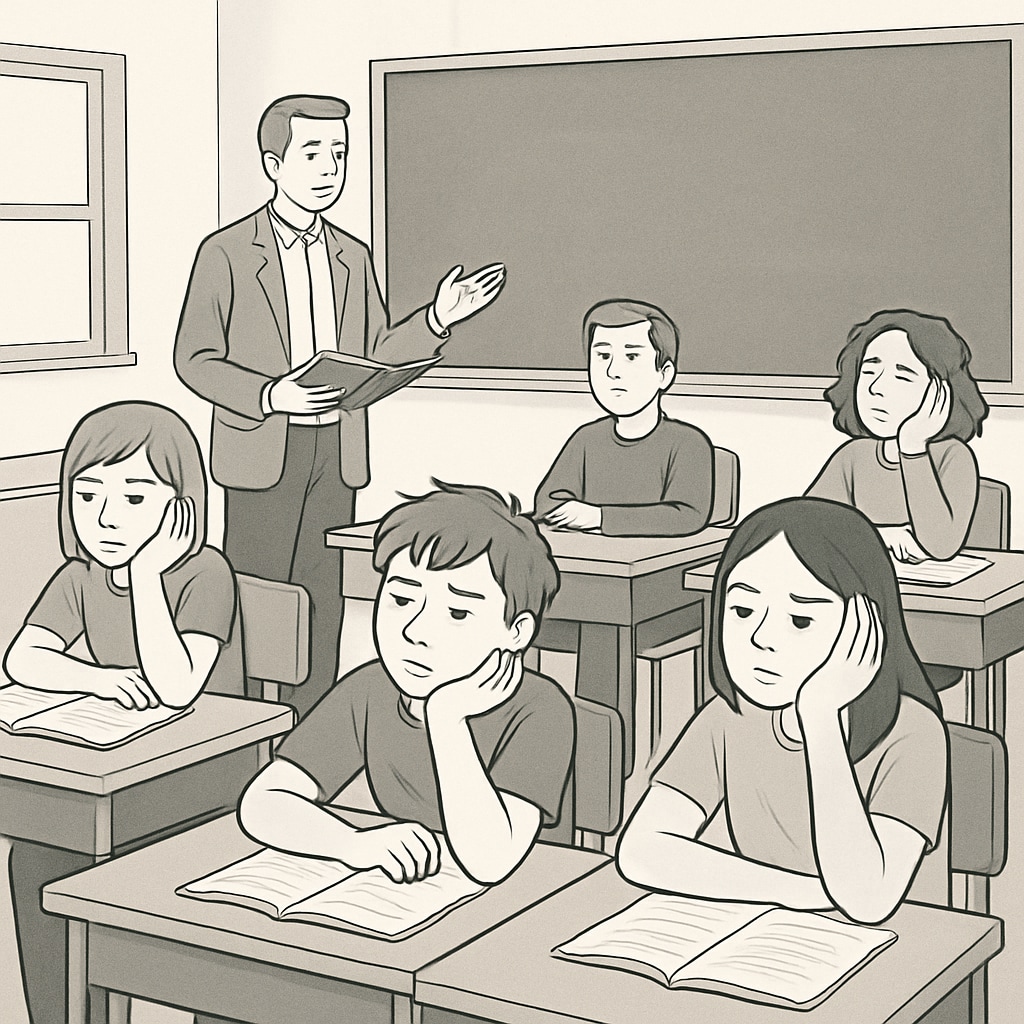
The Global Impact of Classroom Boredom
The consequences of student boredom extend far beyond the classroom walls. When students consistently experience disengagement, their academic performance suffers, leading to higher dropout rates and decreased long-term career success. A study published by Britannica highlights how boredom correlates with lower cognitive retention and a lack of motivation to pursue further studies.
Furthermore, boredom can affect mental health. Prolonged disengagement can lead to feelings of frustration, anxiety, and even depression. As a result, addressing this issue is not just an educational priority but a societal imperative.
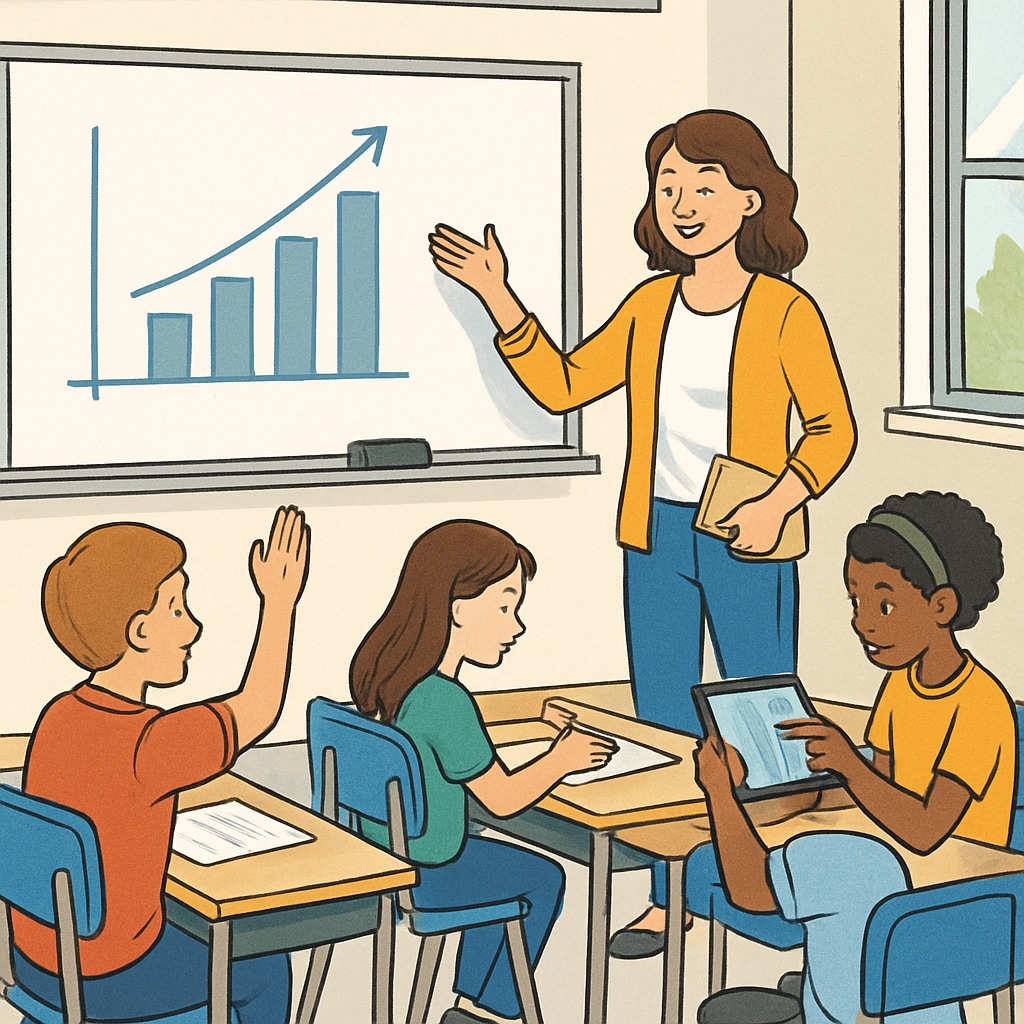
Solutions to Combat Classroom Boredom
While the challenge is significant, there are several strategies educators and policymakers can implement to tackle student boredom effectively:
- Adopting active learning techniques: Encouraging group discussions, project-based learning, and hands-on activities can make lessons more engaging.
- Integrating technology: Tools such as interactive whiteboards, educational apps, and online resources can enhance the learning experience.
- Flexible curricula: Allowing students to explore topics of personal interest within the curriculum fosters curiosity and enthusiasm.
- Teacher training: Providing educators with professional development opportunities to learn innovative teaching methods is essential.
Ultimately, combating boredom requires collaboration between educators, school administrators, governments, and parents. By prioritizing student engagement, we can transform classrooms into spaces where learning thrives.
Readability guidance: This article uses short paragraphs and lists to improve clarity and engagement. Passive voice is minimized, while transitional words (however, therefore, in addition, etc.) ensure smooth flow between ideas. Images are strategically placed to enhance comprehension of key points.

