


Global research on student boredom, education research, and classroom experience highlights an urgent challenge in modern education. Across developed and developing nations, students are increasingly disengaged during lessons, citing boredom as a key factor. This epidemic of classroom monotony threatens the effectiveness of education systems worldwide, raising questions about how learning environments can evolve to meet the needs of today’s learners.
Understanding the Scope of Student Boredom
Student boredom is not limited to a single country or culture; it is a global phenomenon. According to research by the Organisation for Economic Co-operation and Development (OECD), boredom affects students across diverse socio-economic backgrounds. In the United States, a survey by Gallup found that 74% of students reported feeling bored in school on a regular basis. Similarly, studies in developing countries, such as India and South Africa, reveal strikingly similar trends, emphasizing the universal nature of this issue.
The impacts of boredom extend beyond the classroom. Disengaged students are more likely to underperform academically, exhibit behavioral issues, and experience a lack of motivation for future learning. As a result, addressing boredom is critical not only for individual success but also for the long-term development of societies.
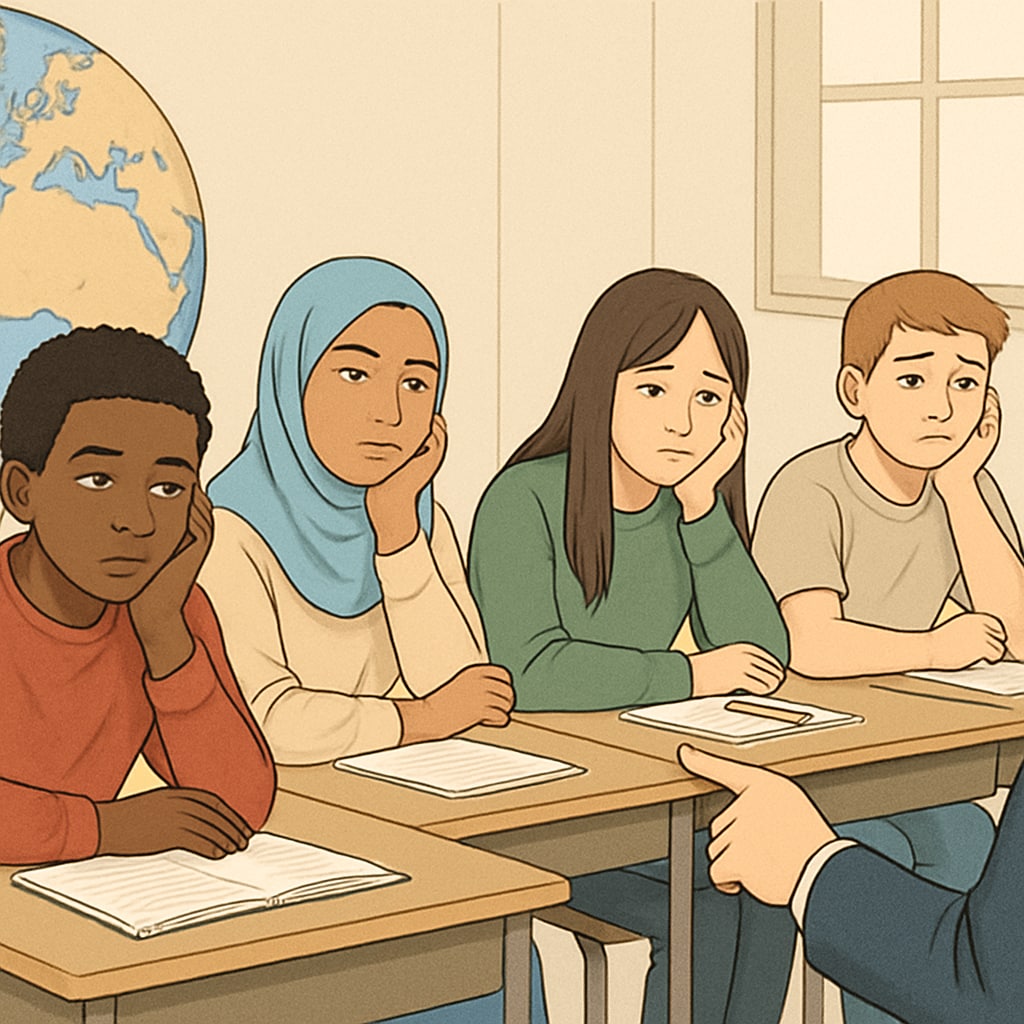
Why Are Students Bored in Classrooms?
The causes of student boredom are multifaceted. Key factors include:
- Teaching Methods: Traditional lecture-based teaching often fails to engage students, particularly in an era dominated by technology and multimedia.
- Curriculum Design: Outdated curricula that lack relevance to students’ lives and interests contribute to disengagement.
- Limited Interaction: Passive learning environments, where students rarely participate actively, result in lower attention spans.
- Overloaded Schedules: Excessive emphasis on standardized testing and academic pressure leaves little room for creativity or exploration.
For example, a 2020 study published by the International Journal of Educational Development highlighted the mismatch between modern students’ expectations and traditional classroom practices in both rural and urban settings (source).

Solutions to Combat Classroom Boredom
Addressing student boredom requires a holistic approach that involves educators, policymakers, and students themselves. Potential solutions include:
- Active Learning Approaches: Incorporating group discussions, hands-on activities, and problem-solving exercises can make lessons more engaging.
- Integrating Technology: Using interactive tools, such as educational apps and gamification, can capture students’ attention more effectively.
- Personalized Learning: Tailoring lessons to individual interests and abilities ensures relevance and engagement.
- Teacher Training: Professional development programs should emphasize innovative teaching strategies that prioritize student engagement.
- Flexible Curricula: Updating syllabi to reflect contemporary issues and real-world applications can increase student interest.
In addition, fostering a positive classroom environment where students feel valued and heard is essential. For example, Finland’s education system, often cited as a global benchmark, prioritizes student well-being and creative freedom, resulting in higher levels of engagement and satisfaction.
The Role of Stakeholders in Overcoming Boredom
Policymakers, school administrators, and parents all play crucial roles in combating classroom boredom. Policymakers can allocate resources for curriculum reform and teacher training, while school administrators can encourage experimentation with new teaching methods. Parents, on the other hand, can support their children’s learning by fostering curiosity and engagement outside the classroom.
Ultimately, creating a more dynamic and inclusive learning environment requires collaboration across all levels of society. By prioritizing student engagement, education systems can better prepare learners for the challenges of the 21st century.
Readability guidance: Short paragraphs, lists, and accessible language enhance comprehension. Active voice is used throughout to emphasize solutions and encourage action.

