Student boredom in K12 education environments is a persistent challenge that affects classroom experiences and learning outcomes. Studies from multiple countries show that boredom is a widespread phenomenon, often stemming from factors such as ineffective teaching methods, irrelevant curriculum design, and individual student differences. Addressing this issue is crucial for improving educational outcomes and fostering a more engaging learning experience.
Why Student Boredom is a Universal Issue
Boredom in K12 classrooms is not confined to any single region or country. Research conducted across the United States, Europe, and Asia has highlighted how many students, regardless of cultural or socio-economic background, report feeling disengaged during school hours. According to a 2021 study published in the Britannica, over 60% of students admitted to experiencing boredom in class at least once a week.
The reasons behind this phenomenon are multifaceted. For example, lessons that rely heavily on traditional lecture formats often fail to capture students’ attention. Furthermore, rigid curriculums that lack relevance to students’ interests or future aspirations contribute to disengagement. These challenges are compounded by differences in learning styles and individual student needs.
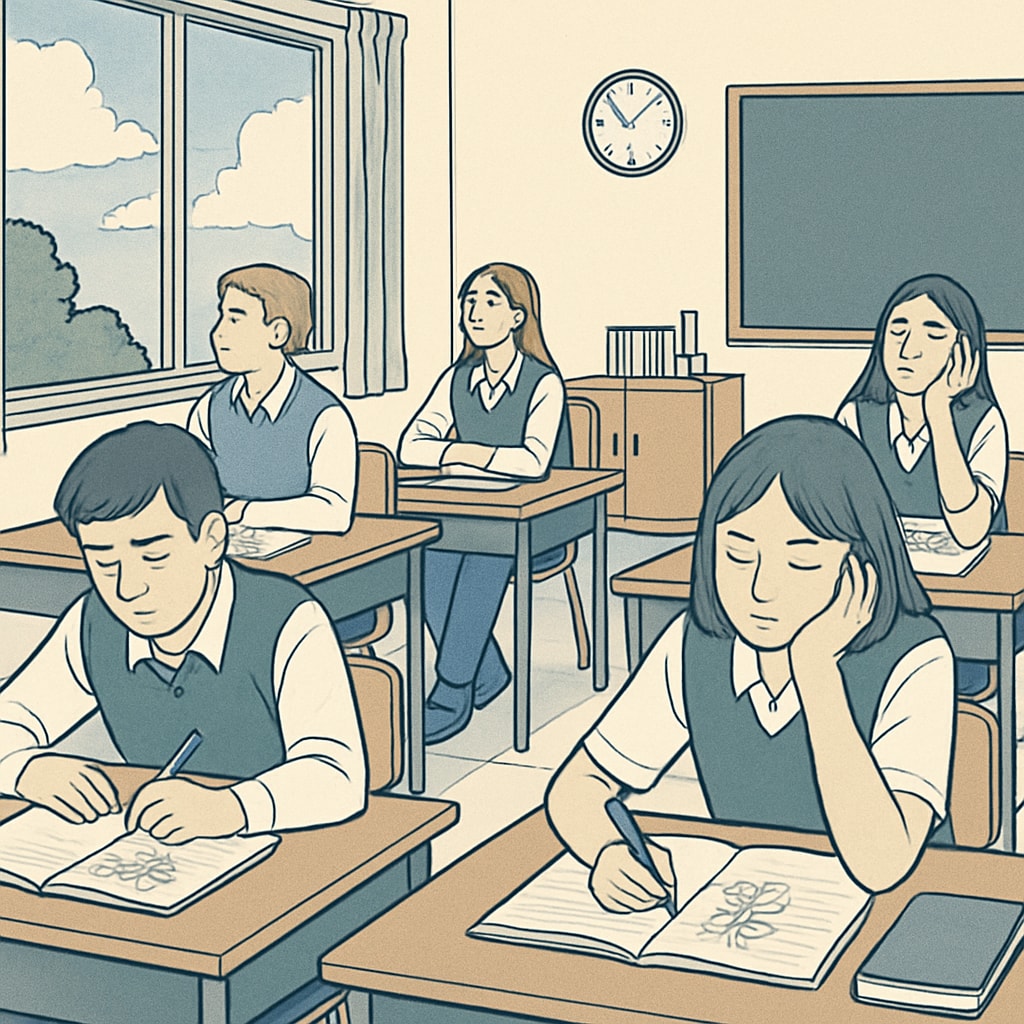
Key Factors Contributing to Classroom Boredom
Several core factors contribute to the prevalence of boredom in K12 classrooms:
- Teaching Methods: Monotonous, teacher-centered approaches leave little room for interactive or hands-on learning, making lessons feel repetitive and uninspiring.
- Curriculum Design: Overly standardized curriculums fail to connect with students’ real-world interests, skills, or career aspirations.
- Individual Differences: Variations in students’ cognitive and emotional needs mean that a one-size-fits-all approach often leads to disengagement.
In addition, external factors such as sleep deprivation, stress, and lack of physical activity may exacerbate student boredom. For instance, students who do not get enough sleep are less likely to concentrate and participate actively in classroom discussions.
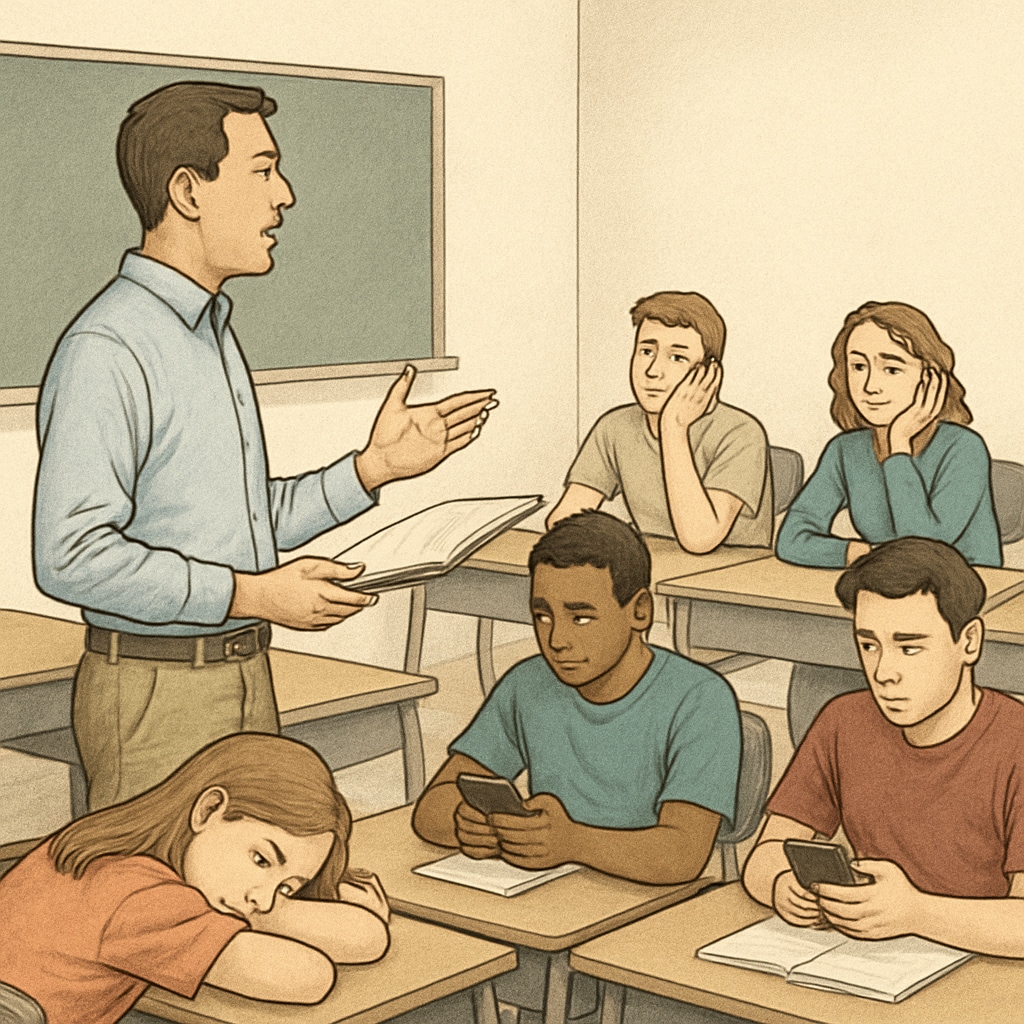
Strategies to Address Student Boredom in K12 Classrooms
While the causes of boredom are complex, educators can employ several strategies to mitigate its effects and create a more engaging learning environment:
- Interactive Learning Techniques: Incorporating group projects, hands-on activities, or gamified learning into lessons can help capture students’ attention.
- Personalized Education Plans: Tailoring lessons to address individual learning styles and interests promotes deeper engagement.
- Revising Curriculum Content: Integrating real-world applications and contemporary topics into the syllabus can make learning more relevant and exciting for students.
- Encouraging Feedback: Gathering regular feedback from students about their classroom experiences can help educators identify and address specific points of disengagement.
These strategies not only improve classroom engagement but also boost academic performance and emotional well-being. As highlighted by the Education page on Wikipedia, active learning environments foster critical thinking and collaboration, skills essential for students’ future success.
Conclusion: The Path to More Engaging Classrooms
Student boredom in K12 education environments is a significant barrier to effective learning, but it is not insurmountable. By understanding its root causes—whether they lie in teaching methods, curriculum design, or individual student differences—educators can implement targeted strategies to make classrooms more engaging and inclusive. Ultimately, the goal is to ensure every student feels motivated to learn and participate actively in their education journey.
Readability guidance: Use concise paragraphs and structured lists for clarity. Avoid long sentences and ensure transitions between ideas are smooth. Balance theoretical insights with practical solutions to maintain reader interest.