Student boredom has become a significant challenge in global K12 education, affecting classroom engagement and overall academic performance. Numerous studies highlight the prevalence of this issue, indicating its far-reaching implications for both students and educators. This article analyzes the causes of student boredom, reviews global research findings, and suggests actionable strategies to foster a more engaging learning environment.
Understanding the Scope of Student Boredom
Student boredom is not confined to a single country or region; it is a global phenomenon. According to a report by the OECD, over 40% of students in developed countries report feeling disengaged during school hours. This disengagement often leads to lower academic achievement, reduced motivation, and even higher dropout rates. Such findings underscore the importance of addressing this issue on a systemic level.
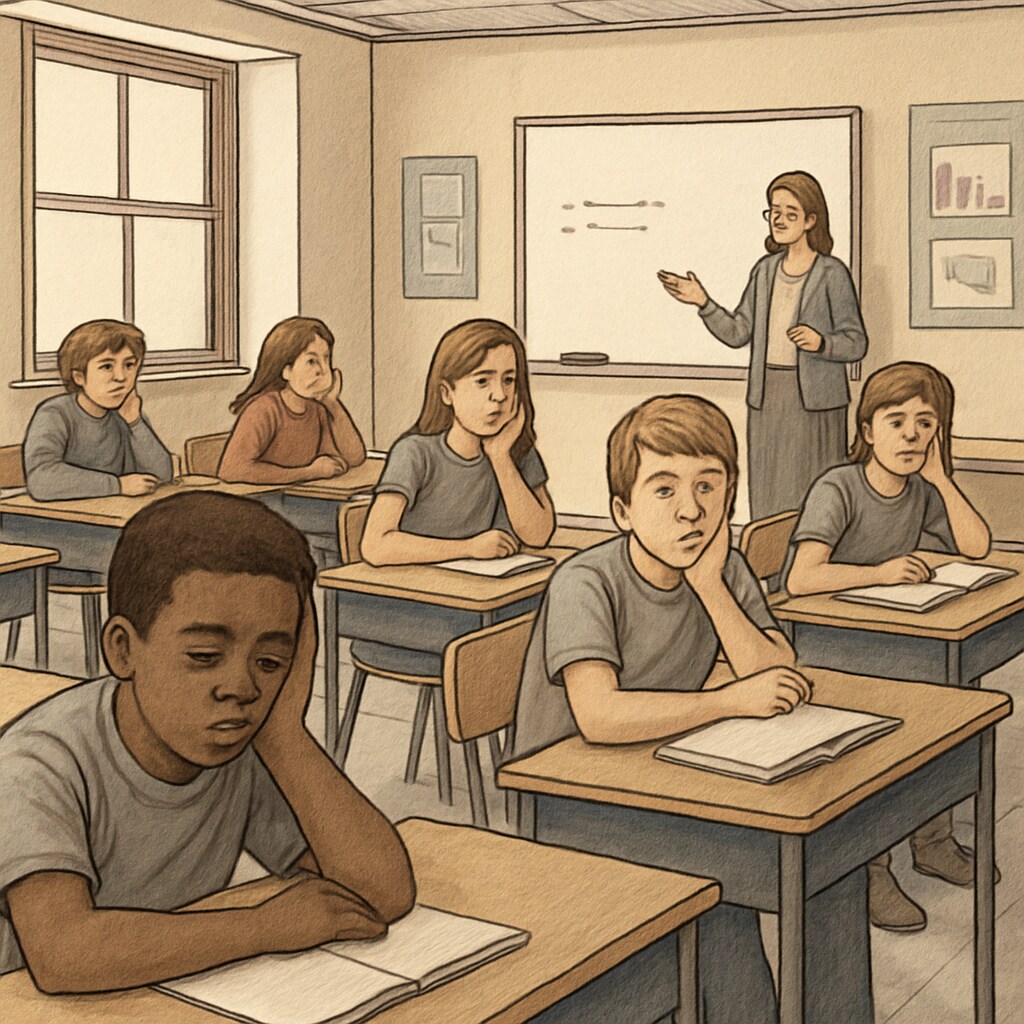
In addition, research from developing nations reveals similar trends. For example, a study conducted in India found that 30% of students in urban schools experience boredom due to a lack of interactive teaching methods. These statistics demonstrate that student boredom is a universal challenge, regardless of socio-economic or cultural contexts.
Key Causes of Student Boredom
Several factors contribute to the growing issue of student boredom in classrooms. These can be broadly categorized into three areas: teaching methods, curriculum design, and external influences.
- Teaching Methods: Traditional lecture-based approaches often fail to capture students’ attention. A lack of interactive and hands-on learning opportunities can make lessons monotonous.
- Curriculum Design: Overwhelming workloads, irrelevant content, or a rigid focus on standardized testing can diminish students’ interest in learning.
- External Influences: Factors such as digital distractions, mental health challenges, and societal pressures also play a role in reducing classroom engagement.
For example, a study published by Britannica highlighted that students are more likely to feel bored if they perceive lessons as irrelevant to their future goals. This suggests that aligning curriculum content with real-world applications could be a potential solution.
Strategies to Address Student Boredom
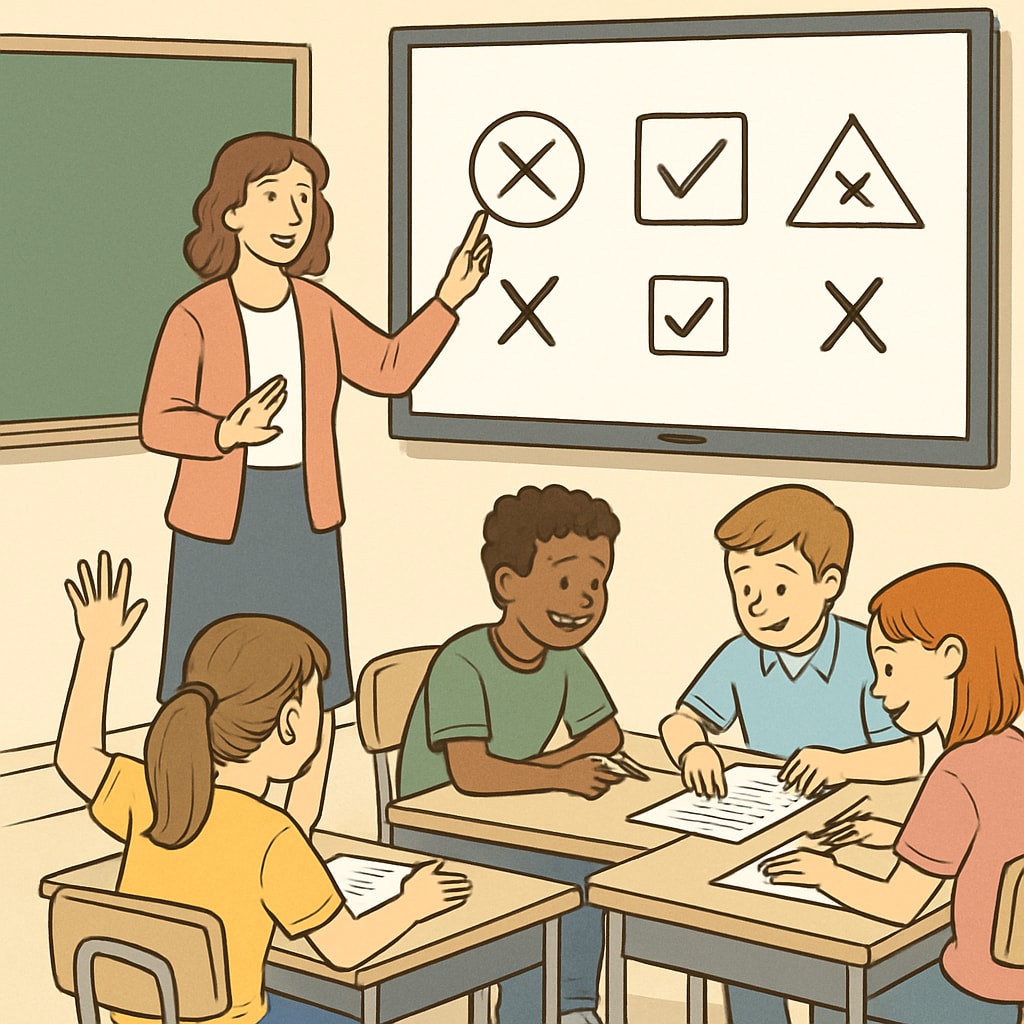
To combat boredom and enhance classroom engagement, educators and policymakers can implement the following strategies:
- Adopt Active Learning Techniques: Methods such as project-based learning, group discussions, and gamification can make lessons more engaging.
- Incorporate Technology: Tools like educational apps, virtual reality, and interactive whiteboards can capture students’ interest and improve participation.
- Personalize Education: Tailoring lessons to individual learning styles and interests can help students feel more connected to the material.
- Foster a Supportive Environment: Addressing mental health and creating a classroom culture that values student voices can mitigate external influences on boredom.
Moreover, ongoing professional development for teachers is essential. By equipping educators with modern teaching techniques and tools, schools can ensure that lessons remain dynamic and relevant.
Conclusion: Turning Challenges into Opportunities
Addressing student boredom is critical for improving classroom engagement and overall educational outcomes. By understanding its causes and implementing targeted strategies, educators can transform classrooms into spaces where students feel inspired to learn. As global research continues to shed light on this issue, it is imperative for schools and policymakers to prioritize solutions that foster a love for learning among students.
By taking these steps, we can not only reduce student boredom but also create a more inclusive and innovative education system that prepares students for the future.
Readability guidance: This article uses short paragraphs, clear subheadings, and concise lists to ensure readability. Active voice and transitional phrases enhance the flow, while examples and external references add credibility.