


Research into educational environments consistently highlights a pressing global issue: student boredom. Cross-national data from middle schools, high schools, and universities reveal that a significant percentage of students experience boredom during class. This phenomenon, often overlooked, poses serious risks to learning outcomes and overall academic engagement. By analyzing the data, understanding the causes, and exploring potential solutions, educators and policymakers can better address this hidden crisis.
The Prevalence of Student Boredom: A Cross-National Perspective
Recent studies conducted across continents have uncovered alarming statistics about student boredom. For instance, a global education report found that nearly 50% of students in developed countries frequently feel disengaged during class. In some nations, such as the United States and the United Kingdom, the percentage rises to over 60% among high school students. Developing countries are not exempt, with reports of boredom in classrooms reaching similar levels.
Furthermore, higher education is not immune to this issue. A survey published by the International Association for Educational Achievement revealed that over 40% of college students worldwide report experiencing boredom in lectures and seminars. These findings suggest that boredom is a universal challenge, transcending cultural and economic boundaries.
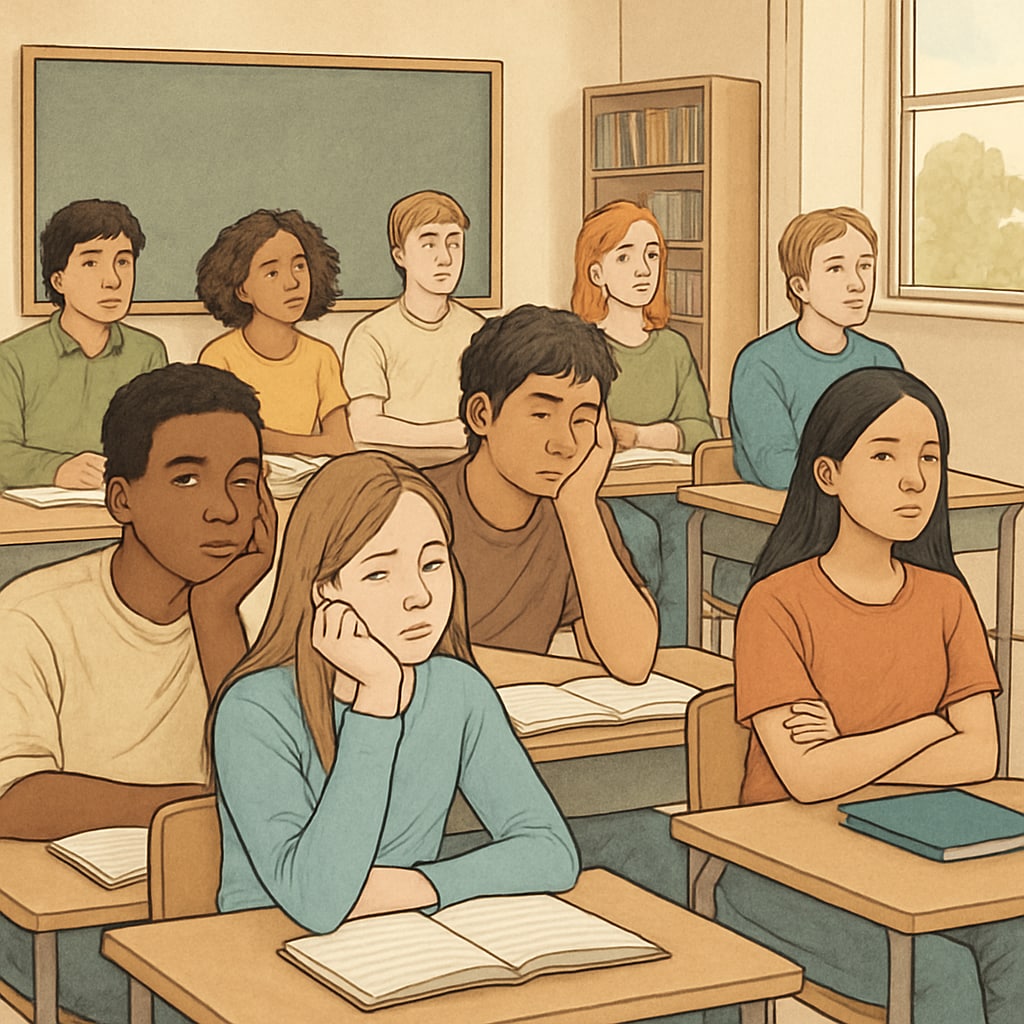
Understanding the Root Causes of Classroom Boredom
The causes of widespread boredom in educational settings are multifaceted. Several key factors contribute to this phenomenon:
- Monotonous Teaching Methods: Traditional lecture-based methods, which rely heavily on rote memorization, often fail to engage students actively.
- Irrelevant Curriculum: Many students report that the material covered in class feels disconnected from their personal interests or future goals.
- Overloaded Schedules: In some education systems, students face excessive workloads, leaving little room for creativity or exploration.
- Lack of Autonomy: A rigid structure that excludes student input can make learning feel like a chore rather than an opportunity.
- Technological Distractions: The rise of smartphones and social media has also contributed to shorter attention spans, making it harder for students to stay engaged.
While these factors vary across regions, the underlying issue is often the same: a disconnect between students and the educational environment. Addressing these root causes requires a nuanced and context-specific approach.
The Consequences of Ignoring Boredom in Education
Unchecked boredom in classrooms has far-reaching implications. First and foremost, it directly affects academic performance. Disengaged students are less likely to retain information, participate in discussions, or complete assignments effectively. As a result, their grades and overall learning outcomes suffer.
Beyond academics, prolonged boredom can lead to negative emotional and psychological outcomes. Studies have linked chronic boredom to feelings of frustration, anxiety, and low self-esteem. In extreme cases, it may even contribute to higher dropout rates, as students disengage entirely from the education system.
Finally, the broader societal impact cannot be ignored. An underprepared workforce, resulting from disengaged students, can hinder economic development and innovation. Therefore, addressing classroom boredom is not just an educational priority but a societal one.
Strategies to Combat Classroom Boredom
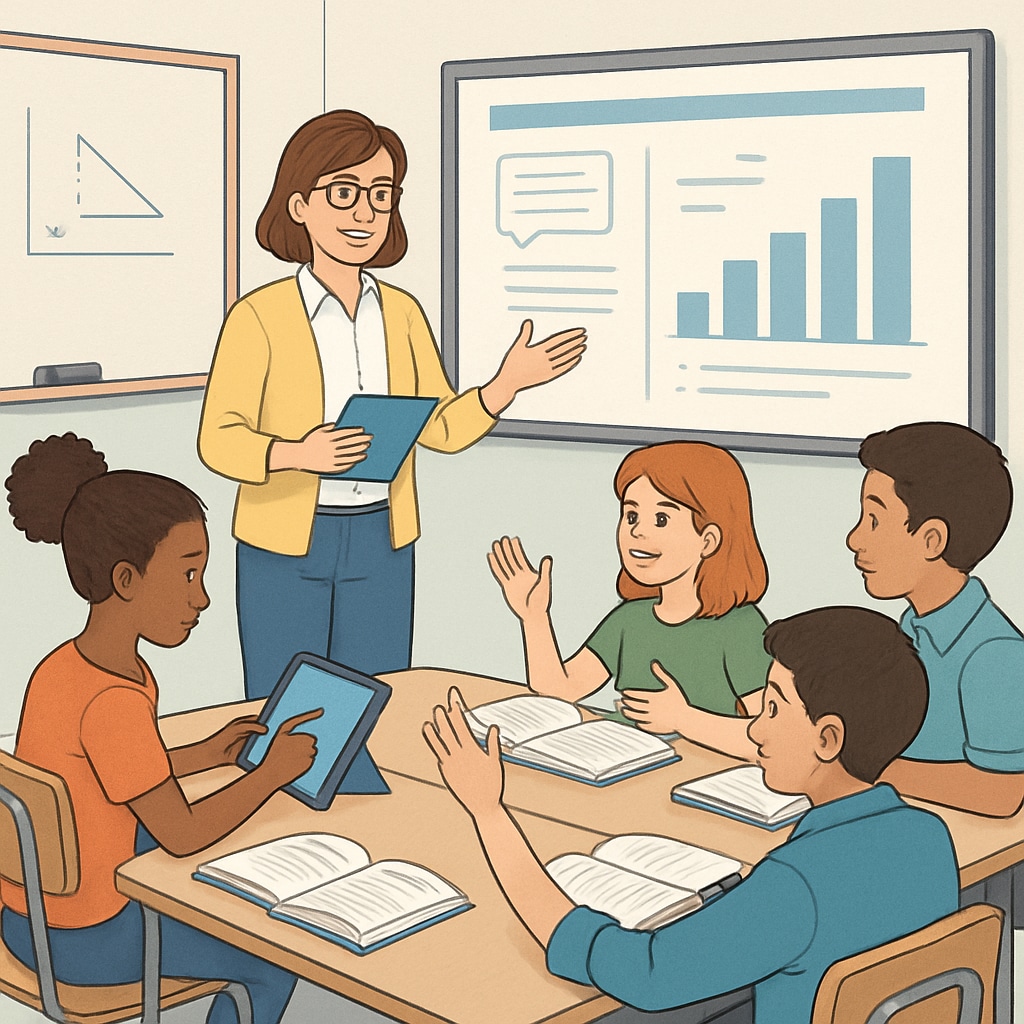
To reduce boredom and enhance engagement, educators and policymakers can implement several strategies:
- Adopt Active Learning Techniques: Incorporating group projects, debates, and hands-on activities can make learning more dynamic.
- Personalize the Curriculum: Allowing students to choose topics or projects aligned with their interests fosters a sense of ownership.
- Leverage Technology: Using educational apps and interactive tools can capture students’ attention and make learning more engaging.
- Provide Teacher Training: Equip educators with the skills to identify and address boredom in the classroom.
- Encourage Student Feedback: Creating a two-way dialogue helps educators better understand what works and what doesn’t.
These strategies require time and resources to implement effectively, but the long-term benefits for students and society are well worth the investment.
Conclusion: Turning Insights into Action
Global classroom boredom, as revealed by cross-national data, is an invisible crisis with profound implications. By understanding its prevalence, identifying root causes, and implementing targeted strategies, educators can create more engaging and effective learning environments. Addressing this issue is not just about improving test scores; it is about fostering a generation of curious, motivated, and capable learners who are prepared to tackle the challenges of the future.
As educators and policymakers, the time to act is now. By acknowledging and addressing boredom in classrooms worldwide, we can transform education into a truly empowering experience for all students.
Readability guidance: This article uses clear language, short paragraphs, and structured sections to enhance readability. Key points are summarized in lists, and transitions are used throughout to maintain a logical flow. Images are positioned to complement the text and reinforce the main points.

