In classrooms across the world, “student boredom, educational research, and cross-national data” have become intertwined themes highlighting one of the most significant challenges in modern education. Recent studies conducted in multiple countries reveal that students frequently experience boredom during lessons, pointing to a global issue that transcends cultural and geographic boundaries. This article delves into the causes of this phenomenon, examines its far-reaching effects, and presents practical solutions to reimagine classroom engagement.
Why Are Students Bored? Insights from Global Educational Research
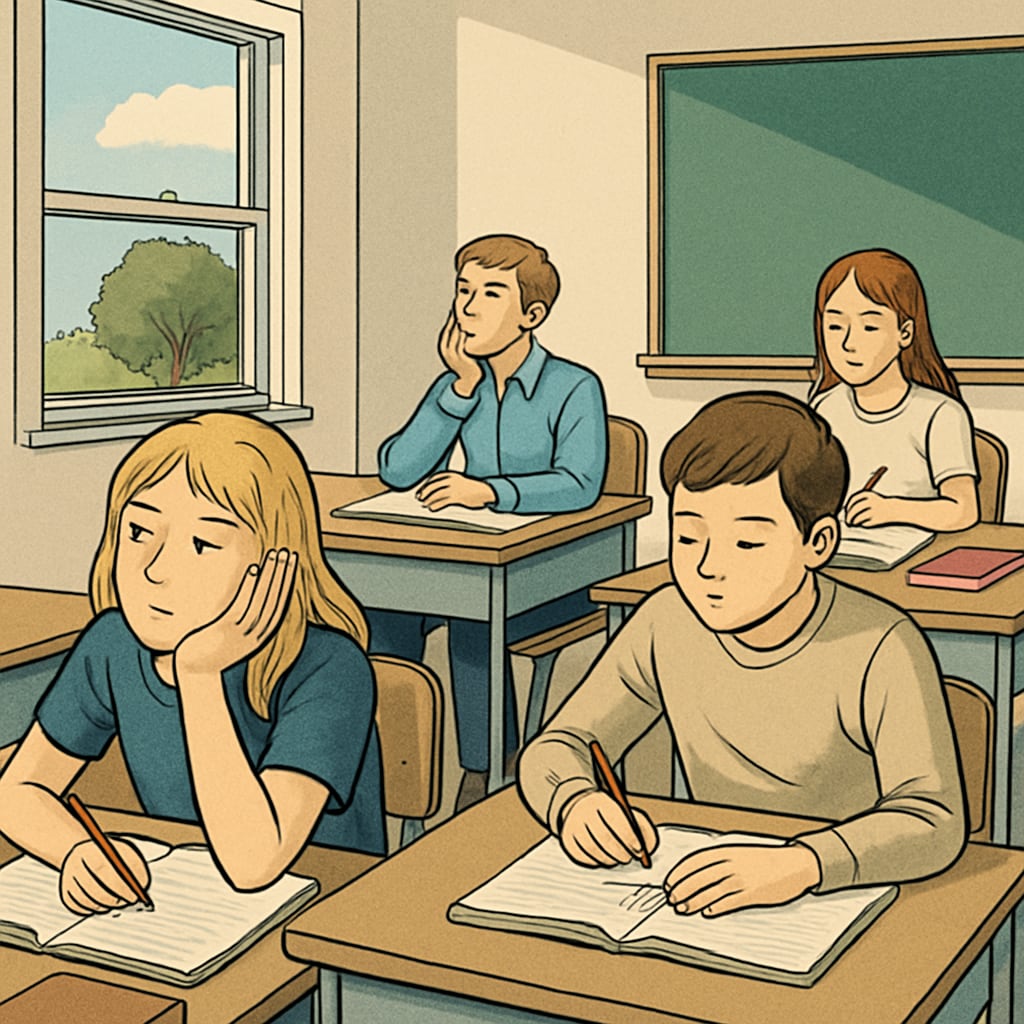
One might assume that boredom in the classroom stems solely from a lack of student motivation. However, cross-national data suggests a more complex picture. A 2021 study involving over 30 countries found that more than 60% of students reported experiencing boredom during regular school hours. According to Britannica’s educational research, the main causes of boredom include monotonous teaching methods, an overemphasis on rote memorization, and a disconnect between curriculum content and students’ real-world interests.
Interestingly, educational systems with diverse teaching approaches are not immune to this issue. For example, countries with high academic performance metrics, such as Finland and Singapore, still report significant levels of classroom disengagement. This suggests that boredom is not merely about the quality of education but also about how students perceive their learning environment.
The Effects of Boredom on Learning and Development
The consequences of unchecked boredom in education are profound. When students are disengaged, their ability to retain information diminishes significantly. As a result, long-term academic performance suffers. According to Wikipedia’s overview on educational psychology, boredom can also negatively impact students’ emotional well-being, leading to heightened anxiety, lower self-esteem, and even behavioral issues.
Moreover, the ripple effects of boredom extend beyond the classroom. Students who frequently disengage are less likely to develop critical thinking and problem-solving skills, both of which are essential for success in an increasingly complex world. In the workplace, these individuals may struggle to adapt to dynamic environments, potentially limiting their career prospects.
Rethinking Engagement: Solutions for a More Dynamic Classroom
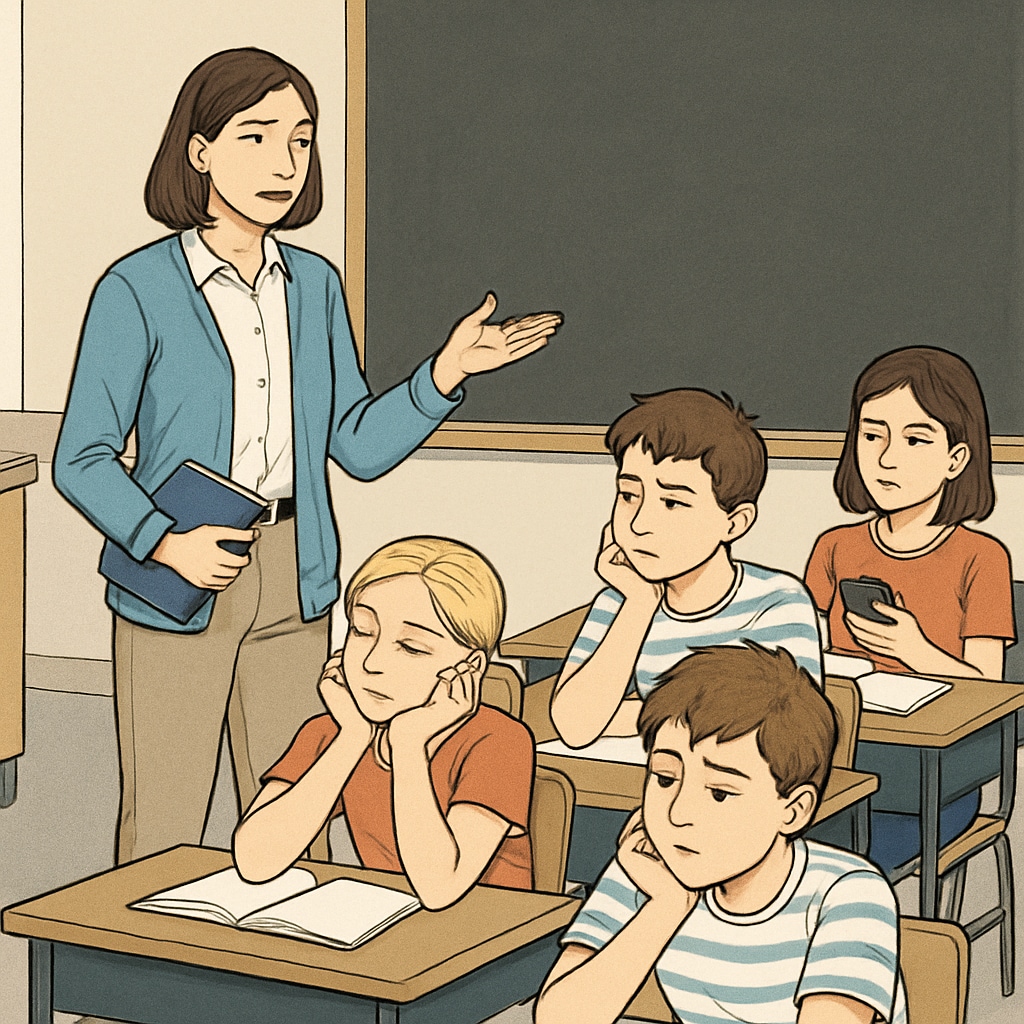
Addressing the boredom epidemic requires a fundamental shift in educational strategies. Below are some actionable solutions that educators and policymakers can implement:
- Interactive Learning: Incorporate hands-on activities and group projects to make lessons more engaging. For example, STEM (science, technology, engineering, and mathematics) subjects can benefit from experiments and real-world applications.
- Personalized Education: Adapt teaching methods to address individual learning styles. This approach has been shown to increase student participation and understanding.
- Integrating Technology: Use educational tools such as interactive apps, gamified learning platforms, and virtual reality to captivate students’ attention.
- Relevance to Real Life: Design curriculums that connect academic content to everyday life, demonstrating the practical value of education.
- Teacher Training: Provide educators with professional development opportunities to learn innovative teaching techniques and classroom management skills.
By implementing these strategies, schools can cultivate an environment that inspires curiosity and fosters a love of learning. For example, project-based learning has proven effective in reducing boredom while improving collaboration and problem-solving skills.
Conclusion: A Global Challenge with Local Solutions
The prevalence of “student boredom, educational research, and cross-national data” underscores the urgent need for educational reform. While the causes of boredom are multifaceted and complex, the solutions are within reach. By prioritizing student engagement and proactively addressing the root causes of disengagement, educators can create dynamic learning environments that empower students to thrive.
Ultimately, the battle against boredom is not just about improving academic outcomes; it is about nurturing well-rounded individuals who are equipped to navigate the challenges of the future. Through collaboration, innovation, and a commitment to change, we can transform the classroom experience for students worldwide.
Readability guidance: This article uses short paragraphs, lists, and clear transitions to maintain reader engagement. Strategies and solutions are summarized for ease of understanding, and external links provide additional insights.