In the fast-paced world of K12 education, teachers are constantly balancing administrative tasks with the need to deliver high-quality instruction. Tools like voice-to-text technology have emerged as powerful allies, enabling educators to streamline processes like educational feedback, classroom observations, and lesson planning. By leveraging advancements in tools such as WillowVoice, teachers can significantly enhance teaching efficiency, while simultaneously improving the quality of their interactions with students.
How Voice-to-Text Technology Revolutionizes Educational Feedback
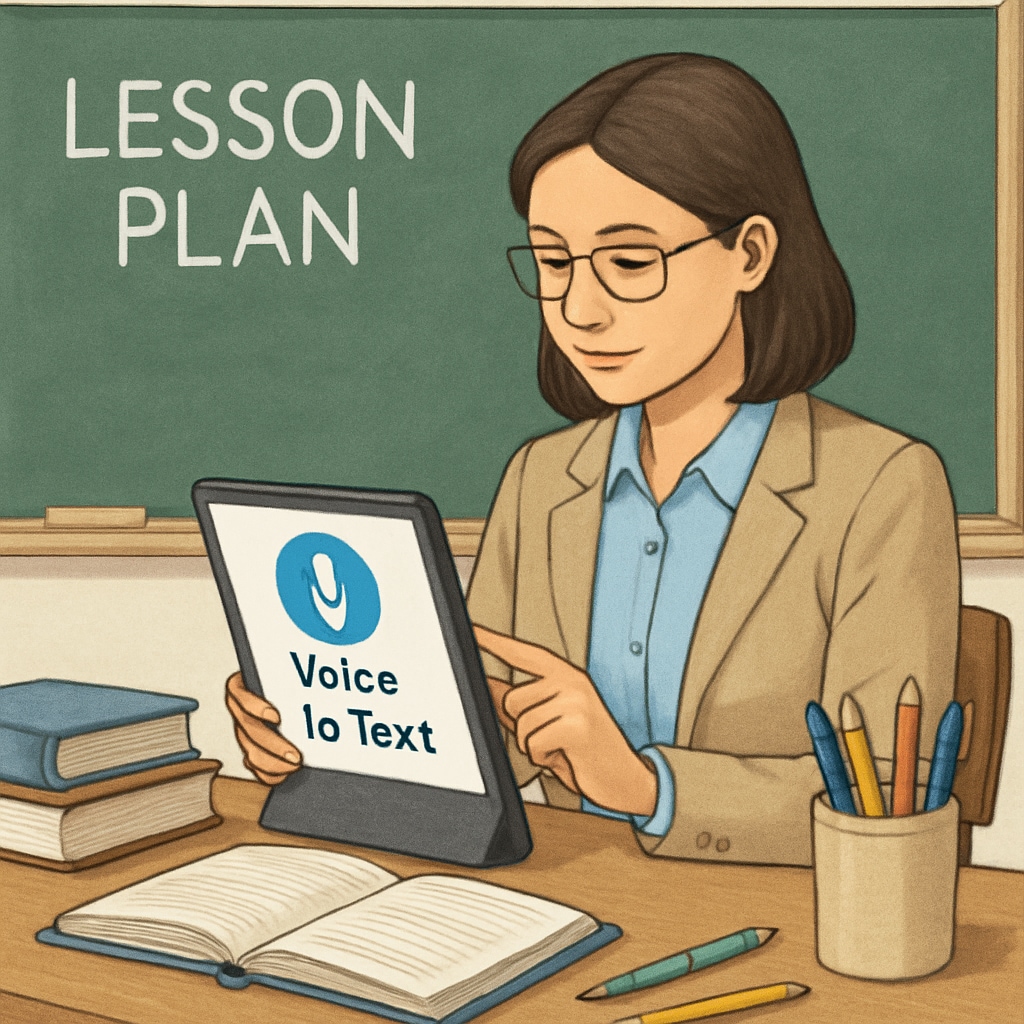
Providing timely and detailed feedback is a cornerstone of effective teaching. However, writing comprehensive comments on assignments or assessments can be a time-consuming process. Voice-to-text technology offers a solution by allowing teachers to dictate feedback directly into digital formats. This process not only saves time but also enables educators to provide richer, more nuanced feedback to students.
For example, instead of manually typing lengthy explanations, a teacher can use a tool like WillowVoice to record their thoughts while reviewing a student’s work. The software then converts their spoken words into text, which can be easily edited and shared. This approach is particularly beneficial in subjects like English or Social Studies, where detailed explanations often accompany grades.
Moreover, voice-to-text systems ensure inclusivity for educators who might experience physical challenges with typing or writing. By providing an alternative input method, these tools make the teaching profession more accessible to a wider range of individuals.
Boosting Teaching Efficiency in Lesson Planning
Lesson planning is another area where teachers can benefit significantly from voice-to-text technology. Educators often brainstorm ideas or articulate lesson objectives verbally before formalizing them into structured plans. With voice-to-text tools, this process becomes seamless.
Instead of jotting down fragmented notes, teachers can use their natural speech to outline lesson plans, which are then instantly converted into editable text. This efficiency allows educators to focus more on refining their instructional strategies rather than spending unnecessary time on transcription. As a result, lesson plans are not only created faster but are also more comprehensive and aligned with the teacher’s original vision.
Enhancing Classroom Observations and Reflections
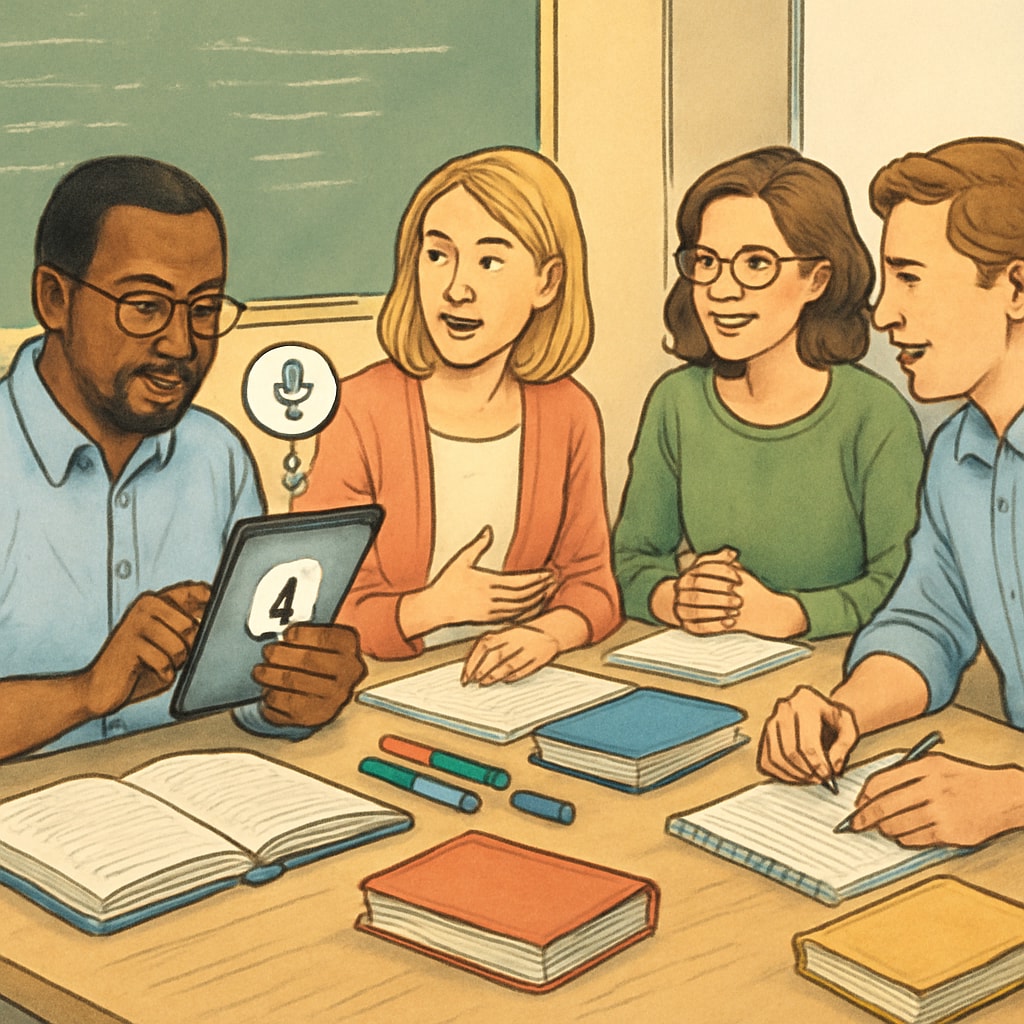
Classroom observations and reflections are critical for continuous professional development in education. Teachers often need to document their observations on student behavior, engagement, and participation during lessons. Traditionally, this documentation required either hastily written notes or reliance on memory after the class. Both methods have limitations in terms of accuracy and efficiency.
With voice-to-text technology, teachers can record their observations in real-time. For instance, while monitoring a group activity, a teacher might dictate insights such as, “Student A demonstrated excellent leadership skills,” or “Student B struggled with the concept of fractions.” These observations are immediately converted into text, creating a valuable resource for future lesson adjustments or parent-teacher meetings.
Additionally, voice-to-text tools can assist in creating reflective journals where educators evaluate their teaching methods and identify areas for improvement. This practice fosters a culture of self-assessment and growth, ultimately leading to improved teaching quality.
Challenges and Best Practices for Implementation
While the benefits of voice-to-text technology are undeniable, its successful implementation in K12 education requires careful consideration. Here are some best practices:
- Choose Reliable Tools: Opt for tools like WillowVoice, which are specifically designed for education, ensuring high accuracy and ease of use.
- Ensure Data Security: Protect sensitive student information by using platforms that comply with privacy regulations such as FERPA.
- Train Educators: Provide training sessions to help teachers maximize the potential of voice-to-text tools.
- Integrate with Existing Systems: Ensure compatibility with learning management systems (LMS) and grading platforms for a seamless workflow.
By addressing these challenges, schools can fully harness the potential of voice-to-text technology, transforming not only teaching workflows but also the overall educational experience for students.
In conclusion, voice-to-text technology is reshaping the landscape of K12 education. By streamlining processes like educational feedback, lesson planning, and classroom observations, these tools empower teachers to focus on what truly matters—engaging and inspiring their students. As more educators adopt tools like WillowVoice, the future of teaching promises to be both more efficient and more impactful.
Readability guidance: Short paragraphs and bulleted lists summarize key points; overuse of passive voice is avoided, and transitional phrases ensure smooth readability.