


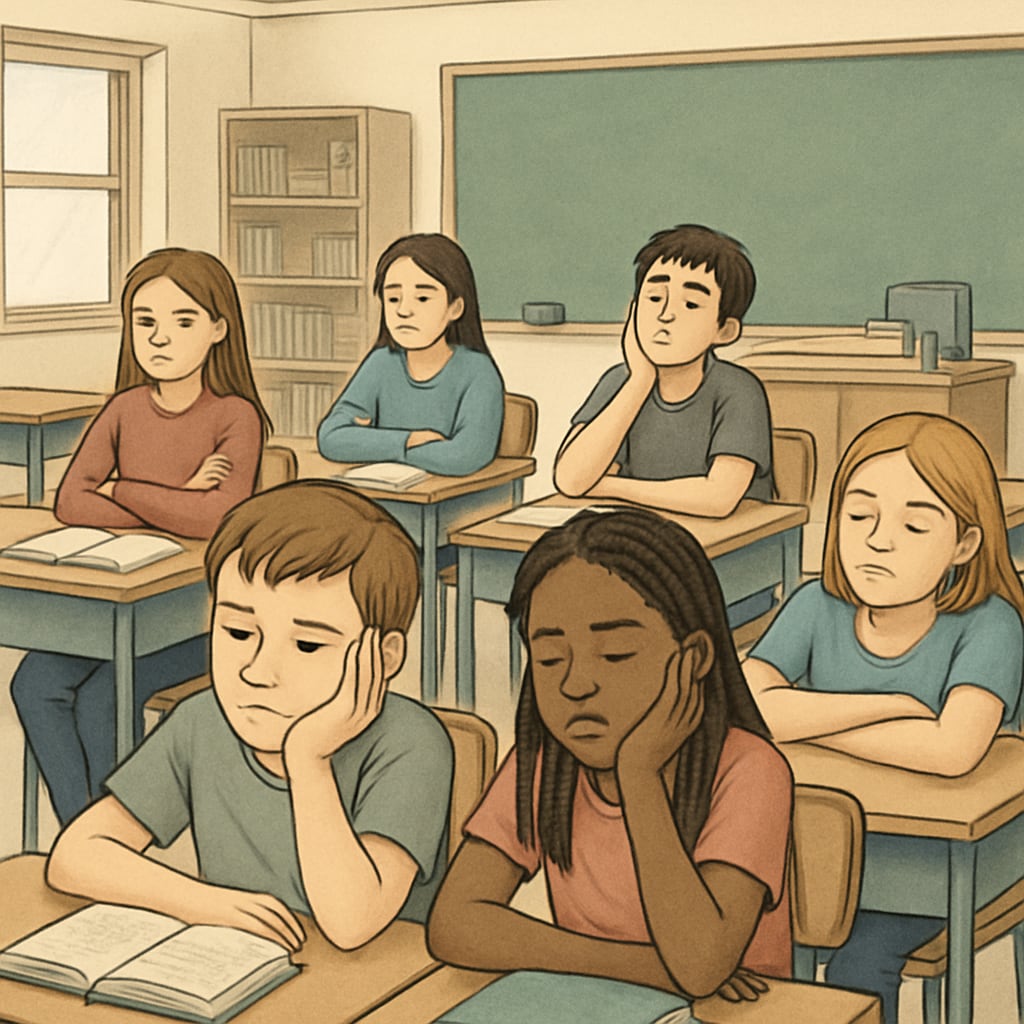
The issue of student boredom in K12 education has become a silent crisis impacting classrooms worldwide. According to education research supported by cross-national data, boredom is one of the most commonly reported feelings among students, yet its implications are often underestimated. This article delves into the prevalence of student boredom, examines trends across grade levels, explores underlying causes, and suggests actionable solutions for educators to revitalize classroom experiences.
Understanding the Prevalence of Student Boredom
Research conducted across multiple countries has consistently highlighted the widespread nature of student boredom in K12 classrooms. A 2022 survey by the Program for International Student Assessment (PISA) revealed that approximately 39% of students across participating nations reported feeling bored in class at least once a week. The phenomenon was most pronounced among middle school students, where boredom peaked due to a combination of developmental factors and traditional teaching methods.
In addition to PISA, a study published by Britannica found that students often associate boredom with repetitive content, lack of practical application, and minimal opportunities for active engagement. These findings suggest that boredom is not merely a fleeting feeling but a systemic issue affecting learning outcomes.
Why Students Experience Boredom
The causes of student boredom are multifaceted, ranging from curriculum design to classroom dynamics. Key factors include:
- Rigid teaching methods: Traditional lecture-based approaches often fail to capture students’ attention, especially in diverse classrooms.
- Lack of relevance: Students are more likely to disengage when they perceive the material as irrelevant to their lives or future aspirations.
- Insufficient differentiation: Standardized curricula may not cater to varied learning needs, leaving some students under-challenged while others feel overwhelmed.
- Technological distractions: Smartphones and other devices compete with teachers for students’ focus, exacerbating in-class boredom.
Moreover, research indicates that boredom levels tend to increase with age, as older students become more critical of the educational system’s ability to meet their intellectual and emotional needs. For example, high school students often report higher levels of dissatisfaction compared to elementary school students, as the demands of standardized testing and college preparation overshadow creative and interactive learning opportunities.
Innovative Solutions to Combat Student Boredom
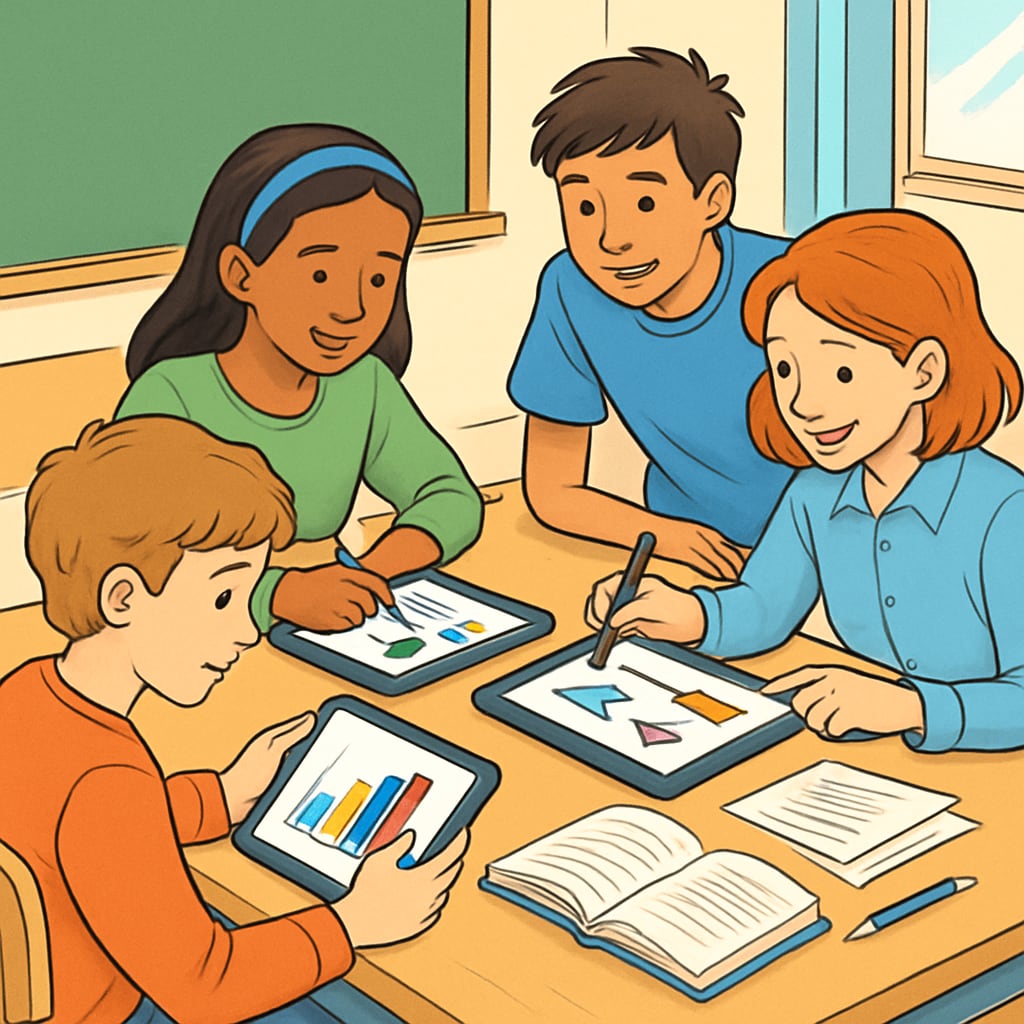
To address this growing issue, educators must adopt innovative strategies to transform boredom into motivation. Some proven methods include:
- Gamification: Incorporating game-based elements into lessons can make learning more engaging and fun.
- Project-based learning: Encouraging students to work on real-world problems fosters deeper understanding and relevance.
- Flipped classrooms: Allowing students to explore concepts independently at home and using class time for discussion and application can boost engagement.
- Technology integration: Leveraging educational apps and interactive tools can bridge the gap between traditional teaching and modern learning preferences.
For example, Finland has gained attention for its progressive educational approach, emphasizing personalized learning and minimizing standardized testing. According to a report on Education in Finland, Finnish students consistently report lower levels of boredom compared to their peers in other countries, highlighting the importance of adopting innovative educational practices.
The Path Forward
Addressing student boredom requires a collective effort from educators, policymakers, and researchers. By prioritizing active learning, fostering relevance, and embracing innovation, schools can transform classrooms into environments where students feel motivated and inspired.
Ultimately, reducing boredom in K12 education is about more than improving test scores or academic outcomes—it’s about nurturing a generation of lifelong learners who view education as an exciting journey rather than a mundane obligation. As a result, schools that focus on engagement and creativity will likely see higher student satisfaction and success rates.
Readability guidance: This article uses short paragraphs, bullet points, and clear transitions to maintain accessibility. Educators and researchers can apply these insights to create meaningful changes within their classrooms.

